Contratar periodistas

Editoriales y emisoras Equipos de marketing de contenidos Equipos de relaciones públicas y comunicación Equipos de riesgo e inteligencia Encontrar periodistas Monitoreo de medios Precios

Para periodistas

Empleos en periodismo Tarifas Crea tu perfil gratis

Sobre Alex

Alex Strick van Linschoten es un investigador/escritor con base en Berlín. Vivió durante 10 años en Afganistán y puede hablar sobre los desarrollos políticos en el país, así como sobre la evolución en curso del movimiento talibán afgano.

Idiomas
árabe inglés
Visto en
Foreign Policy The New York Times Alex Strick van Linschoten

Trabajo 8

Blacklisting an Afghan Network Is Pointless - The New York Times

Nytimes 12 sept 2012 English

The article challenges the perception of the Haqqani network as an uncompromising and ideologically rigid enemy in the context of the Afghan conflict. It references statements by Michael T. Flynn of the Defense Intelligence Agency and Graeme Lamb, a former British Special Air Service commander, to argue that the Haqqani group's leaders are pragmatic and open to reconciliation. The article discusses instances of the Haqqanis engaging in talks with Afghan, American, and Western officials, and criticizes American military tactics in Afghanistan and Pakistan, suggesting they may be counterproductive. It also warns that designating the Haqqanis as a Foreign Terrorist Organization (F.T.O.) could harm U.S.-Pakistan relations and hinder the reconciliation process.

War in Afghanistan Terrorism Diplomacy U.S. Foreign Policy Afghanistan Pakistan United States Defense Intelligence Agency Special Air Service

Blacklisting an Afghan Network Is Pointless

The New York Times 12 sept 2012 English

The U.S. designation of the Taliban-affiliated Haqqani network as a foreign terrorist organization is criticized for limiting future political options and making a comprehensive settlement harder to achieve. The article argues that labeling the Haqqanis as terrorists will deter them from negotiating and be seen as insincerity by the Taliban. It questions the view of the Haqqanis as irreconcilable enemies, citing statements from military officials suggesting they are open to reconciliation.

War in Afghanistan Terrorism Afghanistan United States Pakistan Haqqani network Taliban Defense Intelligence Agency Britain’s Special Air Service Michael T. Flynn Jalaluddin Haqqani Graeme Lamb
Estilo periodísticoInterpretativo

The article contains subjective statements and persuasive language questioning the effectiveness of blacklisting the Haqqani network.

Contexto políticoCentroizquierda

The article criticizes the U.S. policy of blacklisting the Haqqani network and advocates for a more conciliatory approach.

Mogadishu Was a Blast

Foreign Policy 15 jun 2010 English

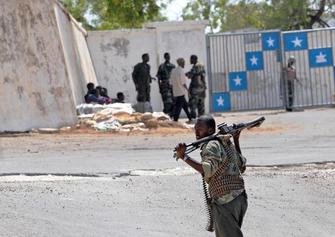
The article describes the harrowing experience of visiting Mogadishu, highlighting the city's extreme danger and desolation compared to Kandahar. It details the challenges faced by the local population, including severe injuries and inadequate medical care, and the ongoing conflict involving the African Union, al-Shabab insurgents, and Somalia's nominal government. The narrative underscores the dire situation in Mogadishu and draws parallels with the conflict in Afghanistan, emphasizing the complexities of war and the impact on civilians.

War in Somalia Conflict in Afghanistan Mogadishu Somalia Kandahar African Union al-Shabab Somalia's nominal government Nuruddin Abdul Aziz Somalia’s state defense minister
Estilo periodísticoEquilibrado

The article contains a mix of factual reporting and subjective observations.

“See You Soon, If We’re Still Alive” – Foreign Policy

Foreignpolicy 16 oct 2009 English

The article provides a vivid account of life in Kandahar, Afghanistan, amidst frequent bombings and violence. The authors, two Westerners living in Kandahar without heavy security, describe the city's desensitization to attacks and the daily reality of living under the threat of violence. They recount their experiences and observations, including the cultural aspects of Kandahar, the impact of the conflict on the local population, and the complex relationship between the Taliban, the local government, and the people. The authors also reflect on the broader implications of the conflict for NATO and the international community, emphasizing the disconnect between security efforts in cities and the ongoing violence in rural areas. They highlight the resilience and pragmatism of the Pashtun tribal system and the challenges of achieving lasting security and political consensus in such an environment.

War in Afghanistan Life in Kandahar Taliban Influence Pashtun Culture Conflict and Security Kandahar Afghanistan Southern Afghanistan

See You Soon, If We’re Still Alive

Foreign Policy 16 oct 2009 English

The article provides an in-depth look at life in Kandahar amidst ongoing conflict, highlighting the constant threat of violence and the resilience of its residents. It discusses the impact of the war on daily life, the presence and influence of the Taliban, and the challenges faced by foreign military forces and the Kabul government. The authors share personal experiences and observations from their time living in Kandahar, emphasizing the complexities and nuances of the situation. The narrative underscores the pervasive sense of uncertainty and the difficulty of achieving lasting peace in the region.

War in Afghanistan Conflict Terrorism Kandahar Afghanistan Pakistan Taliban Kabul government NATO U.S. military Mullah Abdul Salam Zaeef Barack Obama
Estilo periodísticoInterpretativo

Subjective statements and personal experiences dominate the narrative.

Contexto políticoCentro

The article provides a balanced view of the conflict, highlighting the complexities and multiple perspectives involved.

Go tell the world about our fake election

Foreign Policy 21 ago 2009 English

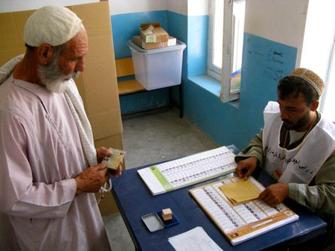
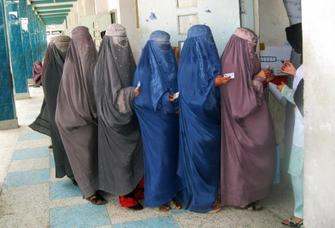
The article provides a detailed account of the 2009 Afghan election in Kandahar, highlighting low voter turnout, instances of fraud, and improper practices. It describes the violence and security measures, noting that the threat of violence was not the primary reason for low turnout but rather voter apathy. The author criticizes the role of international organizations and the Afghan government in managing the election, suggesting that the process was marred by significant irregularities and fraud. The article concludes with a pessimistic outlook on the future, indicating that the hoped-for change did not materialize and that the election results would likely be validated despite the evident flaws.

Election Fraud Violence Kandahar Afghanistan Afghan National Army United Nations Independent Electoral Commission Dost Mohammad Torialai Weesa Ashraf Ghani Abdullah
Estilo periodísticoInterpretativo

The article contains a mix of factual reporting and subjective observations, particularly regarding the author's personal experiences and opinions on the election process.

Contexto políticoIzquierda

Critical of the election process and international involvement, suggesting a perspective that values democratic integrity and transparency.

On the ground in Kandahar

Foreign Policy 16 ago 2009 English

With the Afghan elections approaching, political rallies in Kandahar reveal the dynamics and aspirations of the region's young generation. Abdullah Abdullah's rally, marked by low security and a lackluster crowd, focused on his Pashtun identity and criticisms of Karzai. Ashraf Ghani's rally, characterized by strong support from the young and educated, emphasized change and criticized the current administration's corruption. A subsequent rally for Karzai, organized by his half-brother Ahmed Wali Karzai, showcased state power but was seen as insincere. The rallies highlight the challenges and hopes of Kandahar's populace, with a general sentiment against the current regime and a desire for genuine reform.

Elections Political Rallies Afghanistan Kandahar Karzai Administration Taliban Abdullah Abdullah Noor ul-Haq Ulumi Ashraf Ghani Ahmed Wali Karzai Ezat Wasefi Hajji Obaidullah
Estilo periodísticoEquilibrado

Contains both factual reporting and subjective commentary

Contexto políticoCentroizquierda

Criticism of corruption and support for change and reform

Kandahar: city of nobody’s dreams

Foreign Policy 10 ago 2009 English

Kandahar, once a stopover on the hippy trail, has become a city marked by violence and instability. The author describes the daily challenges of living under the threat of kidnappings and bombings, with a significant increase in violent incidents since 2006. Local journalism struggles to capture the full picture, often reacting to events rather than providing comprehensive coverage. The upcoming elections, heavily funded by foreign entities, are expected to proceed despite widespread skepticism about their fairness. The city's residents, including educated Kandaharis and tribal elders, are increasingly fearful, with many seeking refuge in Kabul or abroad.

Conflict in Afghanistan Elections Violence Kandahar Afghanistan NATO Taliban US military Farnaz Fassihi
Estilo periodísticoInterpretativo

Subjective observations and personal experiences

Contexto políticoCentroizquierda

Critical of the current situation and the effectiveness of foreign intervention

Contratar Mensaje
×

Regístrate para enviar un mensaje a Alex

¿Ya tienes una cuenta? Iniciar sesión
¿Buscas trabajo? Regístrate como periodista
Verifica tu correo electrónico para completar el registro
Acabamos de enviar un correo electrónico a . Revisa tu bandeja de entrada y haz clic en el enlace para verificar tu dirección de correo electrónico y completar tu registro. Si no ves el correo, asegúrate de revisar tu carpeta de spam o correo no deseado.
¿No recibiste el correo electrónico?

Regístrate para desbloquear perfiles

¿Ya tienes una cuenta? Iniciar sesión
¿Buscas trabajo? Regístrate como periodista
Verifica tu correo electrónico para completar el registro
Acabamos de enviar un correo electrónico a . Revisa tu bandeja de entrada y haz clic en el enlace para verificar tu dirección de correo electrónico y completar tu registro. Si no ves el correo, asegúrate de revisar tu carpeta de spam o correo no deseado.
¿No recibiste el correo electrónico?