Alfonso Kasongo ist ein preisgekrönter Journalist mit Sitz in Lusaka, Sambia, mit mehr als 6 Jahren Erfahrung in Print, Online und TV.
Alfonso hat eine große Leidenschaft für Umwelt, Klimawandel, Wissenschaft ( biotechnology) und Agroökologie.
Er verfügt über Fähigkeiten in Nachrichtenbeschaffung, Verfassen und Verbreitung von Beiträgen, Nachrichtenanalyse und Öffentlichkeitsarbeit.
Er hat außerdem Interesse an Gender, öffentlicher Gesundheit und Berichterstattung zu aktuellen Angelegenheiten/Governance.
Zambia’s biosafety agency, DSaT call for science-based approach to grow country's agenda
AsheNews Daily10. Okt. 2026English
Zambia’s National Biosafety Authority and the Dziwa Science and Technology Trust say the country’s Grow Zambia Agenda needs science-led policy, research and public engagement to meet its 2031 production goals. NBA official Christopher Simuntala argues that biotechnology could help address soybean rust, maize pests and climate pressures, and cattle diseases, while emphasizing the need to implement the 2022 National Biotechnology and Biosafety Policy. DSaT chief Veronica Mwaba says scientists must communicate research to policymakers and communities and work with stakeholders to turn scientific advances into practical solutions. The article also notes that negative public perceptions and anti-GMO narratives could impede the agenda.
BiotechnologyBiosafetyAgricultureGenetically Modified OrganismsScience CommunicationZambia’s Grow Zambia AgendaZambiaNational Biosafety AuthorityDziwa Science and Technology TrustGovernment of ZambiaChristopher SimuntalaVeronica Mwaba
BerichtsstilInformativ
Primarily factual reporting, with advocacy claims and expert views presented as attributed statements.
MeinungsbetontFaktenbasiert
CEC Raises Renewable Energy Generation by 97% to 158.78 GWh, Cuts Carbon Emissions
ASHENEWS10. Okt. 2026English
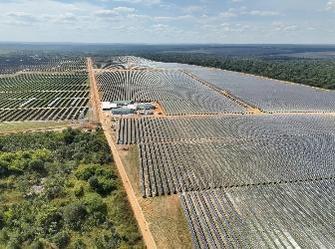
Copperbelt Energy Corporation (CEC) increased renewable electricity generation by 97% to 158.78 GWh in the first half of 2026, up from 80.75 GWh a year earlier. The company attributed the growth largely to commissioning its 136 MW Itimpi II solar project, which helped raise installed solar capacity from 94 MW to 230 MW. CEC said the additional generation avoided about 53,000 tonnes of carbon dioxide emissions. Revenue from its renewable portfolio more than doubled to US$9.555 million, while capital expenditure declined as construction work was completed. Energy expert Boniface Zulu said the expansion could ease pressure on hydropower during droughts and contribute to Zambia’s renewable-energy and electricity-capacity targets.
Renewable EnergySolar PowerCarbon EmissionsEnergy SecurityZambiaKitweGovernment of ZambiaHilton FuleleBoniface ZuluCopperbelt Energy Corporation (CEC) PlcItimpi II solar photovoltaic project
BerichtsstilInformativ
Mostly factual reporting of company results, with supportive expert commentary on the benefits of solar energy.
MeinungsbetontFaktenbasiert
AICCRA Zambia Rolls Out Second Innovative Accelerator Program
Alfonso Kasongo Blog13. März 2025English
AICCRA Zambia launched its second agribusiness accelerator cohort, offering grants to seven small and medium enterprises to expand climate-smart agriculture and climate information services across regions including Central and Luapula provinces. Government officials commended the initiative for supporting SME growth and strengthening agricultural resilience. Representatives from IITA and CGIAR emphasized the importance of private-sector participation and highlighted the accelerator as a tool to bridge financial gaps in scaling climate‑smart practices.
Climate ChangeAgricultureSmall Business DevelopmentZambiaCentral ProvinceLuapula ProvinceAICCRA ZambiaZambian GovernmentMinistry of Small and Medium Enterprise DevelopmentIITACGIARElias Mubanga
BerichtsstilInformativ
Mostly factual reporting with minor interpretive statements about program benefits
MeinungsbetontFaktenbasiert
Government urges automobile producers to invest in infrastructure to support Zambia’s transition to electric motor vehicles
Alfonso Kasongo Blog28. Feb. 2025English
The Zambian government urges automobile manufacturers to invest in infrastructure such as charging stations to accelerate the country’s transition to electric vehicles. Transport Minister Frank Tayali highlights the need for adequate infrastructure and a trained workforce. At the launch of Volkswagen’s new showroom in Lusaka, VW representative Dino Bianchi praises the government for creating conditions supportive of the sector and reaffirms the company’s commitment to the local market.
Electric vehiclesInfrastructure investmentAutomotive industryClimate policyZambiaLusakaGovernment of ZambiaMinistry of Transport and CommunicationFrank TayaliDino BianchiVolkswagenCFAO Mobility
BerichtsstilInformativ
Mostly factual reporting on government statements and industry actions
MeinungsbetontFaktenbasiert
Zambia Commissions US$340 Million Anti-Climate Change Phosphate Plant
Alfonso Kasongo Blog30. Jan. 2025English
A Chinese–Zambian joint venture led by Sino Great Group and Wonderful Group of Companies launched a US$340 million phosphate production plant aimed at supporting climate action targets and reducing fertilizer import dependence. The project will be developed in three phases and is expected to create thousands of direct and indirect jobs while producing phosphoric acid, gypsum and ammonium phosphate. Zambian officials emphasized the plant’s importance for value addition, industrialization and lowering fertilizer costs, while Chinese representatives highlighted strengthened bilateral cooperation and technology transfer. The initiative aligns with United Nations emissions‑reduction goals and Zambia’s broader green growth strategy.
Mostly factual reporting with minimal subjective language
MeinungsbetontFaktenbasiert
NBA Approves HIV Vaccine Trials
Alfonso Kasongo Blog27. Jan. 2025English
Zambia’s National Biosafety Authority approved a three‑year clinical trial for an HIV vaccine to be conducted by the Centre for Family Health Research in Zambia, following a risk assessment that found low health and environmental risks. The trial will target people living with HIV in a country with one of the highest prevalence rates globally. The Authority also reported issuing 39 GMO-related permits in the past year, conducting nationwide compliance checks, seizing unauthorized GMO products, and processing significant transit volumes of mealie meal potentially containing GMOs, while overall permit applications declined due to renewals rather than new requests.
HIVVaccinesBiosafetyGMOsZambiaDemocratic Republic of CongoSouthern AfricaNational Biosafety AuthorityCentre for Family Health Research in ZambiaLackson TongaSandra Lombe
BerichtsstilFaktenbasiert
Straightforward factual reporting with no visible opinion
MeinungsbetontFaktenbasiert
Delays in Approving GMO Cost Kenyan Farmers Over USD 150 Million
Alfonso Kasongo Blogspot8. Jan. 2025English
Regulatory delays in approving genetically modified cotton, maize, and late blight‑resistant potatoes cost Kenyan farmers an estimated USD 157 million over five years, despite projected long‑term national benefits of USD 467 million. A report by the Alliance for Science attributes the losses to a decade‑long ban on GM crop imports, legal challenges, and prolonged commercialization processes. Experts highlighted missed opportunities for increased yields, reduced pesticide costs, improved food security, and environmental gains. The findings aim to guide policymakers toward science‑based decisions and underscore the broader consequences of slow biotechnology adoption in Kenya and other affected countries.
AgricultureGenetically Modified CropsFood SecurityEconomic PolicyKenyaEastern AfricaMalawiAlliance for ScienceOpen Forum on Agriculture and TechnologyBreaking InstituteAlfonso KasongoEmma Kovak
BerichtsstilInformativ
Mostly factual reporting with minor interpretive commentary on economic impact
MeinungsbetontFaktenbasiert
Prolonged load shedding reduces uptake of fish and chicken in Zambia
Alfonso Kasongo Blog21. Okt. 2024English
Extended load shedding in Zambia has sharply reduced hydro‑power generation, increasing electricity shortages and driving up costs for food producers. Yalelo Fish Company reports declining retail sales and rising production expenses as consumers buy smaller quantities and delayed harvesting boosts feeding costs. The Poultry Association of Zambia warns that reliance on expensive alternative energy sources is limiting growth, raising production costs and reducing chicken purchases. Both sectors are experiencing reduced demand and worsening profit margins due to prolonged power outages.
Energy crisisAgricultureFood supplyZambiaSouthern AfricaPoultry Association of ZambiaSouthern African Development CommunityFisho MwaleDominic ChandaYalelo Fish CompanyFishChicken
BerichtsstilInformativ
Mostly factual reporting with limited subjective interpretation
MeinungsbetontFaktenbasiert
Solar energy remains feasible for Zambia
Alfonso Kasongo Blogspot21. Okt. 2024English
Solar energy is highlighted as a feasible and essential solution for Zambia’s drought‑prone energy sector, with expert Prem Jain estimating potential earnings of $2.5 billion over 25 years from an 800MW solar plant. He warns against overreliance on hydropower, particularly the Kariba Dam, and calls for expanding solar capacity to strengthen energy security. Barriers identified include inadequate training, low awareness, weak standards, and limited research capacity. Additional recommendations include establishing a presidential adviser on energy to improve policy guidance, with the discussion organized by the Zambia Academy of Sciences and Dziwa Science and Technology.
Renewable EnergyClimate ChangeEnergy PolicyZambiaSouthern AfricaUniversity of ZambiaEngineering Institute of ZambiaZambia Academy of SciencesDziwa Science and TechnologyPrem JainGeoffrey ChiyumbeAlfonso Kasongo
BerichtsstilInformativ
Mostly factual reporting with some expert opinions included
MeinungsbetontFaktenbasiert
Recent Drought to Trigger Significant Increase in Malnutrition Rates in Zambia
Alfonso Kasongo Blog1. Juli 2024English
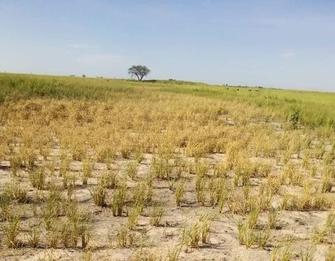
Zambia faces a significant increase in malnutrition rates due to recent droughts, with nearly 52,000 children under five at risk of severe wasting. The National Food and Nutrition Commission and UNICEF highlight the urgent need for preventive measures to avert a crisis. Western Province is the hardest hit, with over 88% of households experiencing hunger. The situation is exacerbated by widespread hunger and difficulty accessing nutritious food, affecting children, pregnant, and breastfeeding women. Immediate action is required to expand access to nutritious food, health services, and sanitation to mitigate the looming crisis.
Wir respektieren Ihre Privatsphäre und verwenden eine begrenzte Anzahl von Cookies, um wesentliche Funktionen bereitzustellen und Ihren Besuch zu verbessern. Es werden keine Werbe-Cookies von Dritten verwendet. Weitere Einzelheiten finden Sie in unserer Cookie-Richtlinie.