Death of Ali Khamenei: The Implacable and Enigmatic Supreme Leader of the Islamic Republic of Iran
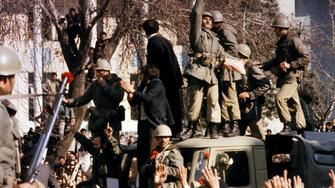
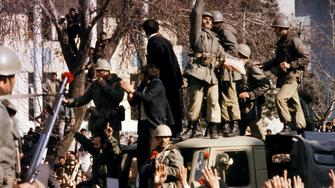
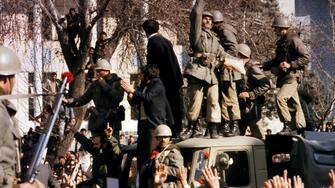
Ali Khamenei, Iran's supreme leader from 1989 until his death at 86, rose from a clerical family through revolutionary activism and senior roles in the Islamic Republic. The account portrays his rule as highly centralized and repressive, citing the suppression of protests, constrained elections, an extensive propaganda apparatus, and a vast economic empire. His opposition to Israel and refusal to yield on Iran's nuclear program helped fuel sanctions and confrontation, although he ultimately approved the 2015 nuclear agreement. The article also traces Iran's regional ambitions and the escalating conflict involving Israel and the United States, arguing that Khamenei's legacy includes severe domestic repression, costly foreign policies, and uncertainty about what his death may mean for political change.
أسلوب التغطيةتفسيري
A biographical analysis with substantial evaluative language and critical judgments about Khamenei's rule and legacy.
السياق السياسييسار الوسط
Critical of authoritarian repression and state violence, while presenting a historical and geopolitical analysis.