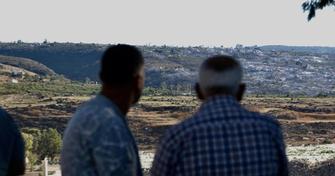
Mens Israel stemmer, ser de hjemmene sine forsvinne
I am a freelance multimedia journalist based in Beirut, Lebanon. After more than three years as a senior television and multimedia reporter at Denmark's largest news organization, I recently relocated permanently back to Beirut to report on Lebanon and the wider Middle East. I find my own stories, research, pitch, report, shoot, write, script and edit. I have reported hundreds of stories for television, radio and digital platforms, filmed with professional cameras and mobile equipment, and produced content for social media. I am equally comfortable reporting live, covering breaking news and producing in-depth features. I mainly focus on the stories that unfold after the headlines fade - from post-war recovery and displacement to politics and the people navigating everyday life in a region shaped by conflict and change. I have a strong interest in human-interest stories and environmental stories. Having lived in Lebanon for several years previously, I have built a strong local network and report with a focus on context, access and character-driven journalism that helps audiences understand not just what is happening, but why it matters. My reporting is grounded in thorough preparation, strong local networks and first-hand reporting from across Lebanon.
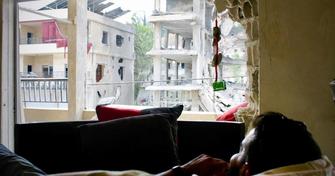
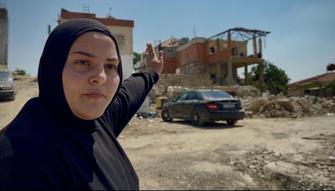
Residents returning to Zawtar al-Gharbiyeh in South Lebanon describe a devastated village without reliable water, electricity, shops or a reconstruction plan. The Lebanese Army has taken control of the western part of the village and provides limited security and water, while Israeli forces still control the eastern section. The pilot-zone arrangement was intended to transfer authority from Israel and Hezbollah to the Lebanese state, but negotiations have stalled, attacks continue and residents say the government has failed to meet its promises. Analysts regard the army’s deployment as a limited success but say reconstruction requires a full Israeli withdrawal, stronger state action and Hezbollah’s compliance. Many residents want peace but continue to rely on Hezbollah and Amal as protection against Israel.
Predominantly factual field reporting based on observations, interviews and expert analysis, with a critical framing of the stalled security and reconstruction process.
Conflict-focused reporting that criticizes failures by the Lebanese state, Israel and Hezbollah without adopting a clearly partisan ideological position.
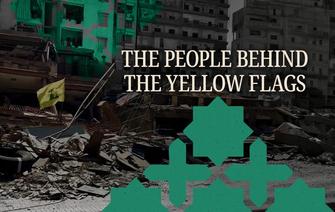
Residents of Beirut’s Dahiyeh and southern Lebanon describe how decades of Israeli occupation, war, displacement, weak state services, and Hezbollah’s social programs have shaped their complicated relationship with the movement. A bakery owner supports Hezbollah as a source of defense despite wanting peace, a displaced man considers both Hezbollah and Israel responsible for the destruction, and a bereaved mother continues to support the group after her son was killed fighting for it. The accounts do not resolve the debate over Hezbollah’s weapons, but show why the movement remains embedded in the identity, security concerns, and survival strategies of many Shiite communities.
A reported human-interest piece grounded in interviews and historical context, but its sympathetic framing emphasizes the lived experiences and justifications of Hezbollah supporters.
The piece seeks to humanize Hezbollah supporters and explain the movement's social roots while also acknowledging criticism of its military role and the harm caused by the conflict.
Over 3,400 people have been killed and more than a million displaced in the recent Israel–Lebanon war, leaving many unable to bury loved ones in their hometowns due to ongoing Israeli military presence in southern Lebanon. Zeinab Jawad’s son Hadi, a Hezbollah fighter killed in an airstrike, lies in a temporary grave in Beirut because their village of Markaba remains inaccessible. The story reflects longstanding displacement from earlier Israeli occupation and highlights the emotional and cultural strain of temporary burials, which contradict Islamic tradition but have become necessary during the conflict.
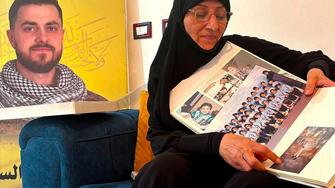
Reported story with emotional testimony but grounded in factual conflict context
focuses on humanitarian impact rather than advocating a political stance
Imam Kassem Ali Rachid, who has worked at mosques in Denmark and is affiliated with a mosque in Flensburg, says he has never heard an Islamic call to prayer outside a mosque in Denmark. A note from the Ministry of Immigration and Integration records a few cases in which calls to prayer could be heard in public. The Danish People's Party nevertheless wants to ban calls to prayer in Denmark.
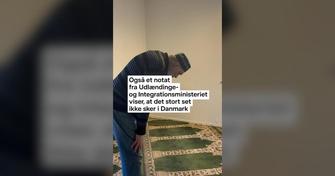
Factual report presenting the imam’s account, ministry information and the party’s proposal.
Reports a political proposal and relevant evidence without endorsing a position.
Dansk Folkeparti proposes banning Islamic prayer calls in public despite evidence from the Integration Ministry showing very few such incidents. Party candidate Rune Højer argues the calls threaten Danish values, though he has never experienced one himself. Experts from Syddansk Universitet and Københavns Universitet dismiss the party’s claims as symbolic politics and discriminatory rhetoric aimed at mobilizing voters. The ministry’s data indicate only isolated complaints and no widespread practice. DF’s integration spokesperson Mikkel Bjørn maintains that a ban is preventive and should cover calls from mosques, loudspeakers at demonstrations and Islamic songs. Critics argue the proposal constructs a problem that does not meaningfully exist.
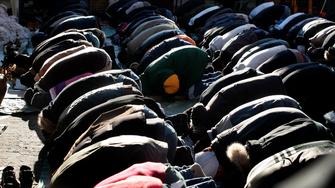
Mix of factual reporting and quoted subjective political claims
Critical stance toward right-wing party policy and highlighting expert criticism
A locomotive driver on the Lemvig railway highlights the dangers posed by 21 unsafeguarded level crossings where cars can freely pass without barriers, lights or sound. Nationwide, 40 similar crossings remain. Midtjyske Jernbaner is working to install barriers or close crossings by 2027, supported by infrastructure funding from the Folketing. The company acknowledges the remaining crossings are technically difficult or require landowner agreements. Improved safety measures reduce stress for drivers like Verner Pedersen, who has experienced several near‑misses during his decades on the route.
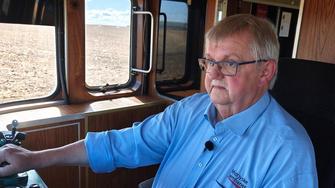
Mostly factual reporting with some personal testimony from the train driver
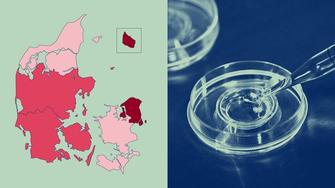
Experts warn that delayed use of state-allocated fertility funds by three Danish regions is contributing to rising waiting times for second-child fertility treatments. Although regions assure that unspent funds will be directed to fertility services, experts argue that the slow rollout undermines capacity-building efforts and forces clinics to operate under pressure as referrals surge. They contend that immediate investment in staff and equipment is needed to meet demand and prevent patients from facing reduced chances due to age and long wait times.
The article is mostly factual reporting with expert criticism but limited subjective argumentation.
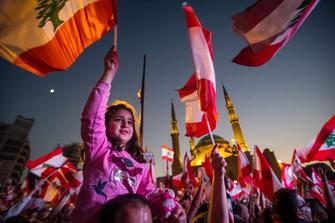
Lebanon’s severe economic collapse, marked by currency devaluation, soaring unemployment, widespread poverty, and failing infrastructure, has pushed citizens across social and religious divides to pursue emigration. Immigration lawyers report a surge in requests for assistance as professionals, students, and families seek stability abroad. Individuals describe dwindling opportunities, corruption, and lack of basic services as key drivers of despair. Despite limited visa options due to the pandemic, many continue searching for legal pathways to Europe or Canada, believing their futures can no longer be secured in Lebanon.
Mix of factual reporting and personal testimonies with subjective statements.
Focuses on systemic governance failure without promoting a partisan ideology.


