Hire journalists

Publishers & Broadcasters Content Marketing Teams PR & Comms Teams Risk & Intelligence Teams Find journalists Media Monitoring Pricing

For journalists

Journalism jobs Pay rates Create your free profile

About Amin

After finishing his PhD at Boston University in 2017 and joining Harvard Medical School, Amin initiated "the Iran Circle" project with intellectual and operational support from local faculty and Iranian student associations. Since then, he has been hosting monthly sessions at Harvard and online webinars presenting research studies about Iran, in Farsi. Amin received his previous degrees in engineering and science from Shiraz University and Tehran Polytechnic. In parallel with formal education and work (as research scientist) in translational medicine, he has actively pursued his personal interest in humanities and social sciences, resulting in the formation and growth of this initiative. Amin is hoping to expand the Iran Circle's international activities, as a non-profit organization dedicated to creating useful intellectual and educational content for Iranians, toward the aim of sustainable socio-cultural development for Iran in the long term.

Languages
English Persian (Farsi)
Seen in
The Iran Circle

Work 3

Iranian Revolutionaries in the United States

Irancircle 1 Jan 2022 English

Dr. Manijeh Moradian discusses her book 'This Flame Within: Iranian Revolutionaries in the United States', which examines the role of the Iranian Students Association (ISA) in the US before the 1979 Iranian revolution. The book explores the ISA's connection to the Confederation of Iranian Students National Union (CISNU) and its impact as a diasporic movement against the Shah of Iran. Moradian highlights the ISA's revolutionary activism, its struggles for gender equality, and its solidarity with other global movements. The book also addresses the ISA's affective experiences and the challenges faced by Iranian revolutionaries, including their interactions with US policy and their participation in broader social justice movements. Dr. Persis Karim joins the conversation, emphasizing the historical context and the importance of gender in revolutionary movements. The discussion also covers the complexities of building solidarity and the misconceptions about the Islamic Republic of Iran.
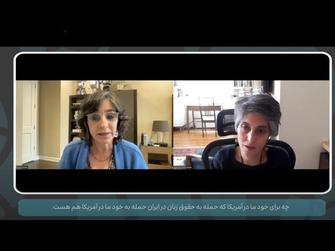
Iranian Revolution Diaspora Movements Women's Rights Gender and Sexuality Activism Iran-US Relations Anti-Imperialism Transnational Feminism United States Iran Barnard College (Columbia University) San Francisco State University

چکیده: در حالی که در رابطه با انقلاب 1357 در ایران بسیار نوشته اند، درباره زندگی روزمره زنان ایرانی پس از انقلاب بسیار کم بحث شده است. "زنان در شهر" سیاست های تفکیک جنسیتی در ایرانِ پس از انقلاب را بررسی می کند. ما با نگارنده سوار بر اتوبوس های جداسازی شده می شویم، به درون پارک های زنان می رویم و پشت درهای بسته استادیوم های مردانه انتظار می کشیم. او نشان می دهد که هویت اسلامی حکومت در همزیستی، آمیخته شدن و رقابت با الزامات تکنوکراتیک، ملاحظات عملگرایانه برای حفظ نظام، تاثیرات بین المللی و روندهای جهانی تغییر کرده است. "زنان در شهر" با کند و کاو در چهار دهه سیاست گذاری حکومت برای تعیین مرزهای جنسیتی، باورهای عمومی درباره ی نظام حاکم بر ایران را به چالش می کشد و ما را وا می دارد که "دولت" را یکدست و یکپارچه و به مثابه ساختاری ایدئولوژیک و منفک از نیروهای اجتماعی فرض نکنیم. نگارنده ما را وادار می کند تا درباره تغییرات جایگاه زنان در ایران تامل کنیم و به تاثیر نظام سرمایه داری، اسلام گرایی و منازعات سیاسی بر حقوق زنان فکر کنیم. https://www.irancircle.org/post/gender-segregation

Video YouTube

The Iran Circle

Irancircle English

The article profiles Amin Feizpour, the founder and manager of The Iran Circle, a non-profit organization aimed at fostering intellectual and educational content for Iranians. Feizpour, who completed his PhD at Boston University and is associated with Harvard Medical School, started the project with support from local faculty and Iranian student associations. The Iran Circle hosts monthly sessions and webinars on research about Iran, conducted in Farsi. Feizpour, with a background in engineering, science, and translational medicine, is also interested in humanities and social sciences, which led to the initiative's creation. The article also mentions other academics like Shahla Haeri, Houchang E. Chehabi, Ali Kadivar, and Pamela Karimi, detailing their research interests and contributions to the fields of anthropology, international relations, sociology, and art history respectively.

Education Research Cultural Development Social Sciences Humanities Iran United States The Iran Circle Harvard Medical School Shiraz University Tehran Polytechnic Boston University
Hire Message
×

Sign up to message Amin

Already have an account? Log in
Looking for work? Register as a Journalist
Verify your email to complete registration
We’ve just sent an email to . Please check your inbox and click the link to verify your email address and complete your registration. If you don’t see the email, be sure to check your spam or junk folder.
Didn’t receive the email?

Sign up to unlock profiles

Already have an account? Log in
Looking for work? Register as a Journalist
Verify your email to complete registration
We’ve just sent an email to . Please check your inbox and click the link to verify your email address and complete your registration. If you don’t see the email, be sure to check your spam or junk folder.
Didn’t receive the email?