Engager des journalistes

Éditeurs et diffuseurs Équipes de marketing de contenu Équipes RP et communication Équipes risques et renseignement Trouver des journalistes Veille médias Tarifs

Pour les journalistes

Offres d'emploi en journalisme Tarifs Créez votre profil gratuit

À propos de Amr

Amr Fathallah est un journaliste libyen chevronné et producteur vidéo basé à Tripoli, avec plus de 11 ans d'expérience dans le journalisme et les médias. Il a contribué à diverses chaînes de télévision libyennes et plateformes numériques, ainsi qu'à des médias internationaux tels que SciDev.net, Aljazeera.net, et d'autres. Son travail inclut la rédaction de reportages de fond, le journalisme d'investigation et la réalisation de documentaires, en plus de la prise de vue et du montage vidéo. Amr couvre un large éventail de sujets, notamment le changement climatique, l'environnement, la science, la santé, les enjeux sociaux et culturels, ainsi que les conflits armés et les évolutions en matière de sécurité à travers la Libye. Il s'est constitué un solide réseau de contacts dans l'ouest et le sud de la Libye, ce qui lui permet de fournir des reportages précis, opportuns et informés localement. Il est disponible pour la couverture de l'actualité, les reportages sur le terrain, la production vidéo et la collaboration avec des organisations médiatiques internationales.

Langues
arabe anglais
Vu dans
The Guardian Scidev Smithsonianmag

Travaux 5

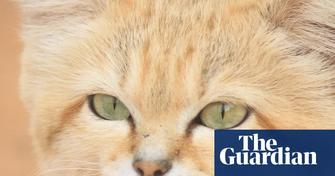
How a YouTube video accidentally proved Libya’s sand cat really does exist

Theguardian 24 juin 2026 English

A feature article I wrote about a scientific discovery in the Libyan desert, which began with a wildlife photographer's video that led to a collaboration with a zoologist in South Africa, resulting in the first scientific and official documentation of the sand cat in Libya. The feature included interviews with the photographer, the scientist leading the study, and other figures, and was enhanced by a collection of valuable photographs of the sand cat and the photographer's desert expeditions that led to this discovery. It is a story about wildlife and the potential collaboration between scientists and photographers, and upon its publication, the story gained a very wide regional and global resonance.
Wildlife Conservation Sand Cats Biodiversity Wildlife Research Libya Wadi Armet Algeria Libyan Wildlife Trust International Union for Conservation of Nature Sol Plaatje University Mohammed Almuntasir Firas Hayder
Style rédactionnelInformatif

Primarily reported research and conservation findings, with some positive framing about the species' refuge and the value of the study.
Climate change fuels Libya’s red spider mite scourge

SciDev.Net 7 oct. 2024 English

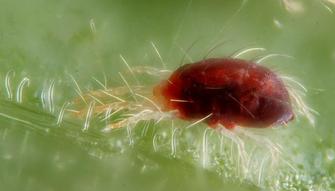
Red spider mites, thriving in arid conditions exacerbated by climate change, have caused significant crop losses in northwestern Libya, threatening the wider region. The pest, which reproduces rapidly in high temperatures, has spread across North Africa, affecting various crops. Efforts to combat the mites using pesticides have been largely unsuccessful due to resistance and poor quality. Experts recommend integrated pest management strategies, including quarantine systems and farmer training, to address the issue. The Libyan government and international organizations face criticism for their inadequate response to the crisis.

Climate Change Agricultural Pests Libya North Africa Tunisia Ministry of Agriculture and Animal Resources in Libya’s Government of National Unity International Center for Agricultural Research in the Dry Areas UN Food and Agriculture Organization Libya’s National Center for Prevention and Agricultural Quarantine Fathi Al-Tahir Ali Ibrahim Ashour Suwaisi
Style rédactionnelInformatif

The article presents factual information with some expert opinions.

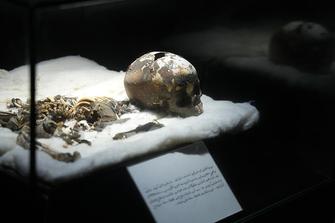
Africa’s Oldest Mummy Is a Toddler Who Died 5,400 Years Ago, Nearly a Millennium Before the Egyptians Started Mummifying Their Dead

Smithsonian Magazine 10 oct. 2023 English

The Uan Muhuggiag mummy, a 5,400-year-old artifact from Libya, faces preservation challenges due to Libya's civil war and inadequate storage conditions. Discovered by Fabrizio Mori in the 1950s, the mummy predates Egyptian mummification practices and offers insights into Neolithic Saharan cultures. Efforts led by Savino di Lernia and supported by Sapienza University aim to transfer the mummy to Rome for restoration and analysis. The initiative faces funding challenges, but renewed international interest and potential research could reshape understanding of prehistoric North Africa and mummification practices.

Archaeology Mummification Libyan History Libya Rome Egypt Libya’s National Museum Sapienza University of Rome Libya’s Department of Antiquities Italian archaeological mission in Libya Savino di Lernia Fabrizio Mori
Style rédactionnelÉquilibré

The article presents a mix of factual information and expert opinions on the significance and preservation challenges of the Uan Muhuggiag mummy.

A report I prepared as a correspondent during the COVID-19 pandemic, covering the unprecedented rush for vitamins and dietary supplements during that period. I wrote the report, narrated it in my own voice, and edited it myself.

Vidéo YouTube

A short documentary that I wrote, directed, and participated in filming. It focuses on a unique environmental-charitable initiative in the city of Zliten, which recycles plastic and channels the profits from the recycling process into charitable work. The documentary features scenes from the cities of Zliten, Msallata, and Tripoli, captured using modern equipment such as the SONY a7 cameras, DJI Mavic 3 drone, and others.

Vidéo Facebook
Recruter Message
×

Inscrivez-vous pour envoyer un message à Amr

Vous avez déjà un compte ? Se connecter
Vous cherchez du travail ? S'inscrire en tant que journaliste
Vérifiez votre e-mail pour finaliser l'inscription
Nous venons d'envoyer un e-mail à . Veuillez consulter votre boîte de réception et cliquer sur le lien pour vérifier votre adresse e-mail et finaliser votre inscription. Si vous ne voyez pas l'e-mail, pensez à vérifier votre dossier spam ou courrier indésirable.
Vous n'avez pas reçu l'e-mail ?

Inscrivez-vous pour débloquer les profils

Vous avez déjà un compte ? Se connecter
Vous cherchez du travail ? S'inscrire en tant que journaliste
Vérifiez votre e-mail pour finaliser l'inscription
Nous venons d'envoyer un e-mail à . Veuillez consulter votre boîte de réception et cliquer sur le lien pour vérifier votre adresse e-mail et finaliser votre inscription. Si vous ne voyez pas l'e-mail, pensez à vérifier votre dossier spam ou courrier indésirable.
Vous n'avez pas reçu l'e-mail ?