Contratar jornalistas

Editoras e emissoras Equipes de marketing de conteúdo Equipes de RP e comunicação Equipes de risco e inteligência Encontrar jornalistas Monitoramento de mídia Preços

Para jornalistas

Vagas de jornalismo Tarifas Crie seu perfil gratuito

Sobre Amr

Amr Fathallah é um experiente jornalista e produtor de vídeo líbio baseado em Trípoli, com mais de 11 anos de experiência em jornalismo e mídia. Contribuiu para uma variedade de canais de televisão líbios e plataformas digitais, bem como para veículos internacionais como SciDev.net, Aljazeera.net, entre outros. Seu trabalho inclui produção de reportagens de destaque, reportagem investigativa e realização de documentários, além de captação e edição de vídeo. Amr cobre um amplo espectro de temas, incluindo mudanças climáticas, meio ambiente, ciência, saúde, questões sociais e culturais, bem como conflitos armados e desenvolvimentos de segurança em toda a Líbia. Ele construiu uma forte rede de contatos por todo o oeste e sul da Líbia, o que lhe permite oferecer reportagens precisas, oportunas e informadas localmente. Ele está disponível para cobertura de notícias, reportagens de campo, produção de vídeo e colaboração com organizações de mídia internacionais.

Idiomas
árabe inglês
Visto em
The Guardian Scidev Smithsonianmag

Trabalhos 5

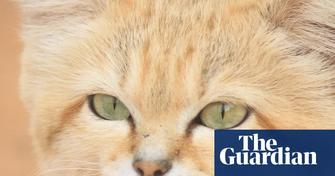
How a YouTube video accidentally proved Libya’s sand cat really does exist

Theguardian 24 jun. 2026 English

A feature article I wrote about a scientific discovery in the Libyan desert, which began with a wildlife photographer's video that led to a collaboration with a zoologist in South Africa, resulting in the first scientific and official documentation of the sand cat in Libya. The feature included interviews with the photographer, the scientist leading the study, and other figures, and was enhanced by a collection of valuable photographs of the sand cat and the photographer's desert expeditions that led to this discovery. It is a story about wildlife and the potential collaboration between scientists and photographers, and upon its publication, the story gained a very wide regional and global resonance.
Wildlife Conservation Sand Cats Biodiversity Wildlife Research Libya Wadi Armet Algeria Libyan Wildlife Trust International Union for Conservation of Nature Sol Plaatje University Mohammed Almuntasir Firas Hayder
Estilo de reportagemInformativo

Primarily reported research and conservation findings, with some positive framing about the species' refuge and the value of the study.
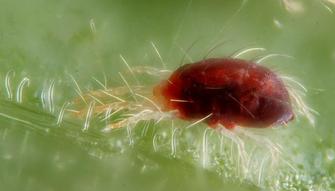
Climate change fuels Libya’s red spider mite scourge

SciDev.Net 7 out. 2024 English

Red spider mites, thriving in arid conditions exacerbated by climate change, have caused significant crop losses in northwestern Libya, threatening the wider region. The pest, which reproduces rapidly in high temperatures, has spread across North Africa, affecting various crops. Efforts to combat the mites using pesticides have been largely unsuccessful due to resistance and poor quality. Experts recommend integrated pest management strategies, including quarantine systems and farmer training, to address the issue. The Libyan government and international organizations face criticism for their inadequate response to the crisis.

Climate Change Agricultural Pests Libya North Africa Tunisia Ministry of Agriculture and Animal Resources in Libya’s Government of National Unity International Center for Agricultural Research in the Dry Areas UN Food and Agriculture Organization Libya’s National Center for Prevention and Agricultural Quarantine Fathi Al-Tahir Ali Ibrahim Ashour Suwaisi
Estilo de reportagemInformativo

The article presents factual information with some expert opinions.

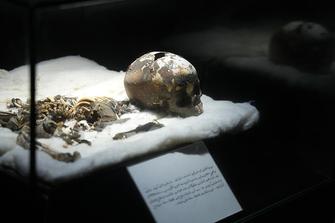
Africa’s Oldest Mummy Is a Toddler Who Died 5,400 Years Ago, Nearly a Millennium Before the Egyptians Started Mummifying Their Dead

Smithsonian Magazine 10 out. 2023 English

The Uan Muhuggiag mummy, a 5,400-year-old artifact from Libya, faces preservation challenges due to Libya's civil war and inadequate storage conditions. Discovered by Fabrizio Mori in the 1950s, the mummy predates Egyptian mummification practices and offers insights into Neolithic Saharan cultures. Efforts led by Savino di Lernia and supported by Sapienza University aim to transfer the mummy to Rome for restoration and analysis. The initiative faces funding challenges, but renewed international interest and potential research could reshape understanding of prehistoric North Africa and mummification practices.

Archaeology Mummification Libyan History Libya Rome Egypt Libya’s National Museum Sapienza University of Rome Libya’s Department of Antiquities Italian archaeological mission in Libya Savino di Lernia Fabrizio Mori
Estilo de reportagemEquilibrado

The article presents a mix of factual information and expert opinions on the significance and preservation challenges of the Uan Muhuggiag mummy.

A report I prepared as a correspondent during the COVID-19 pandemic, covering the unprecedented rush for vitamins and dietary supplements during that period. I wrote the report, narrated it in my own voice, and edited it myself.

Vídeo YouTube

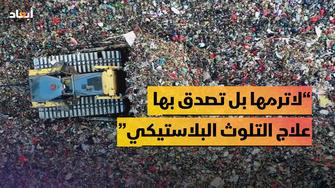
A short documentary that I wrote, directed, and participated in filming. It focuses on a unique environmental-charitable initiative in the city of Zliten, which recycles plastic and channels the profits from the recycling process into charitable work. The documentary features scenes from the cities of Zliten, Msallata, and Tripoli, captured using modern equipment such as the SONY a7 cameras, DJI Mavic 3 drone, and others.

Vídeo Facebook
Contratar Mensagem
×

Cadastre-se para enviar uma mensagem para Amr

Já tem uma conta? Entrar
Procurando trabalho? Cadastre-se como jornalista
Verifique seu e-mail para concluir o cadastro
Acabamos de enviar um e-mail para . Verifique sua caixa de entrada e clique no link para verificar seu endereço de e-mail e concluir seu cadastro. Se não vir o e-mail, não deixe de checar sua pasta de spam ou lixo eletrônico.
Não recebeu o e-mail?

Cadastre-se para desbloquear perfis

Já tem uma conta? Entrar
Procurando trabalho? Cadastre-se como jornalista
Verifique seu e-mail para concluir o cadastro
Acabamos de enviar um e-mail para . Verifique sua caixa de entrada e clique no link para verificar seu endereço de e-mail e concluir seu cadastro. Se não vir o e-mail, não deixe de checar sua pasta de spam ou lixo eletrônico.
Não recebeu o e-mail?