Hire journalists

Publishers & Broadcasters Content Marketing Teams PR & Comms Teams Risk & Intelligence Teams Find journalists Media Monitoring Pricing

For journalists

Journalism jobs Pay rates Create your free profile

About Angelina

Languages
English German Spanish
Seen in
Eurozine Infobae The Guardian Public Seminar Störungsmelder The New York Times Via Freitag

Work 20

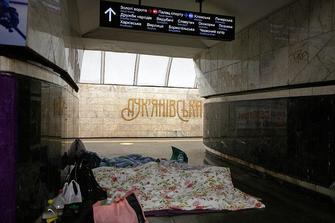
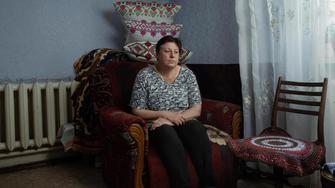
How the residents of Kyiv survived the “black winter” under Russian bombings: “This brought us even closer”

Infobae 28 Mar 2026 Spanish

Russian strikes on Ukraine’s energy infrastructure during an extremely cold winter left up to 1.5 million Kyiv residents without heating, severely damaging major cogeneration plants and causing widespread hardship. Civilians endured freezing conditions using improvised methods while engineers worked under extreme pressure to restore power. Ukrainian officials presented evidence to the International Criminal Court describing the attacks as crimes against humanity. The country continues to rely on international support, especially advanced air‑defense systems, to counter ongoing missile and drone threats and prevent further humanitarian crises.

War in Ukraine Energy infrastructure Humanitarian impact Ukraine Russia European Union Russian military Ukrainian government International Criminal Court Yulia Po Vira Havrylova Oleksii Kuleba
Reporting styleInformative

Mostly factual reporting with some personal testimonies and descriptive language.

Political contextCentre-left

Critical of Russian aggression and supportive of international legal and humanitarian frameworks.
“Black Winter”: how Russia combined bombings with a disinformation campaign to blame Kyiv for blackouts

Infobae 28 Mar 2026 Spanish

Russian strikes on Ukraine’s energy infrastructure were accompanied by a coordinated disinformation campaign aimed at shifting blame for winter blackouts onto Ukrainian authorities. Automated networks and AI‑generated videos spread narratives accusing the government and energy companies such as DTEK of mismanaging electricity distribution and misusing international aid. Analysts at Ukraine’s Center for Countering Disinformation identified the campaign, called “Black Winter,” as an effort to polarize society and undermine confidence in state institutions. Although a major corruption scandal in the energy sector coincided with the campaign, public opinion data showed that most Ukrainians continued to blame Russia for the attacks and supported President Zelensky, influenced in part by ongoing peace negotiations. Despite severe winter conditions and sustained Russian strikes, Ukrainian public resistance to territorial concessions remained strong.

War in Ukraine Disinformation Energy infrastructure attacks Ukraine Russia United States Centro para Combatir la Desinformación Consejo de Seguridad Nacional y Defensa de Ucrania Oficina Nacional Anticorrupción de Ucrania Gobierno de Ucrania Oficina Presidencial de Ucrania KIIS
Reporting styleInformative

Factual reporting with some analytical interpretation of motives behind disinformation campaigns

Political contextCentre

Covers political dynamics factually without pushing ideological positions

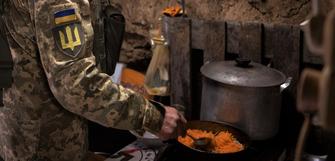
Don’t want to shoot? Load ammo or cook

Eurozine 10 Jun 2025 English

The article explores the challenges and strategies of military recruitment in Ukraine amidst the ongoing conflict with Russia. It highlights the shift in Ukraine's reliance from the US to Europe for military support and the internal mobilization efforts to address personnel shortages. The study by the Public Interest Journalism Lab and Kharkiv Institute for Social Research reveals the importance of autonomy and targeted recruitment in motivating individuals to enlist. The article also discusses the innovative military tactics employed by Ukraine, such as the Spider Web operation, and the role of families in recruitment decisions. It emphasizes the need for Europe to rethink its security strategies in light of the Ukrainian experience and the potential threats posed by Russia.

War in Ukraine Military Recruitment European Security Ukraine Russia Europe White House Armed Forces of Ukraine Public Interest Journalism Lab Kharkiv Institute for Social Research Center for Defense Strategies Ukrainian intelligence
Reporting styleBalanced

The article presents a mix of factual reporting and subjective analysis, with some opinionated statements about military strategies and recruitment challenges.

Political contextCentre

The article discusses military strategies and recruitment challenges without a strong political bias.

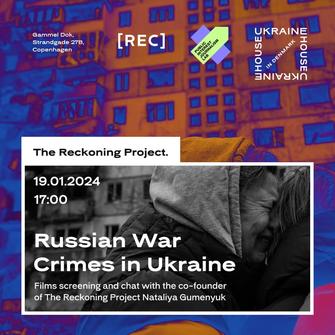
Russian War Crimes in Ukraine: Films screening and chat with the co-founder of The Reckoning Project Nataliya Gumenyuk

Ritzau 15 Aug 2024 Danish

The 'Heart of Earth' exhibition, a significant cultural project from wartime Ukraine, will open at Ukraine House in Denmark on August 23 to celebrate Ukraine's 33rd Independence Day. Curated by the renowned Mystetskyi Arsenal from Kyiv, the exhibition features reflections from 17 Ukrainian artists on their nation's deep connection to their land, emphasizing Ukraine's role as a crucial food producer. The exhibition explores how food, like gas and oil, can be a powerful weapon.

War in Ukraine Cultural Exhibition Ukraine Denmark Ukraine House in Denmark Mystetskyi Arsenal
Reporting styleInformative

The text is mostly factual but includes some subjective reflections on the cultural significance of the exhibition.

Russia didn't care that we were pregnant

Infobae 14 Nov 2023 Spanish

In the aftermath of the Russian invasion of Ukraine, the article recounts the harrowing experiences of pregnant women and their families. The author, a journalist, and her husband, a police officer, were fortunate to avoid the occupation of their village, Severynivka, by Russian soldiers. The article details the destruction and looting by Russian forces, including an attack on a maternity hospital in Mariupol on March 9, 2022, which severely injured Iryna Kalinina and resulted in the death of her baby. The author, pregnant during the war, describes the challenges of expecting a child in a country where pregnant women seemed to be targeted. The story of Anastasiya Piddubna, who gave birth in a bomb shelter, is also shared. Despite the dangers, the author gave birth to a healthy child in Kiev, amidst the ongoing conflict.

War in Ukraine Human Rights Kiev Mariupol Ukraine Russian Military Iryna Kalinina Evgeniy Maloletka Iván Kalinin Oleksandr Bielash Anastasiya Piddubna
Reporting styleInformative

The article contains personal narratives and eyewitness accounts, but is largely reporting on events and experiences.

Political contextLeft

The article portrays the Russian military negatively, which may align with a left-leaning perspective that is critical of military aggression.

Stories of Pregnancy and Birth in Ukraine

The New York Times 10 Nov 2023 English

Personal accounts detail the dangers and trauma facing pregnant women in Ukraine as hospitals and civilians are targeted during Russia’s invasion. The narrative intertwines the author’s own pregnancy with the stories of women injured or killed in attacks on maternity facilities, highlighting both loss and resilience amid ongoing airstrikes and instability.

War in Ukraine Pregnancy Civilian Suffering Ukraine Kyiv Mariupol Russia Iryna Kalinina Ivan Kalinin Anastasiya Piddubna Oleksandr Bielash
Reporting styleInterpretive

First-person narrative with subjective reflections but grounded in real events

Political contextCentre

Focuses on humanitarian consequences of war without explicit partisan framing

Civilizations, barbarity, conquest, legitimacy and crimes of war

Eurozine 10 Oct 2022 English

The article discusses the implications of Russia's invasion of Ukraine, framing it as a significant threat to global peace and civilization. It explores the concepts of civilization and barbarity, emphasizing the destructive nature of war and the need for international cooperation to address ecological and humanitarian crises. The text criticizes the effectiveness of the United Nations and the Security Council in maintaining global peace, highlighting the challenges posed by nuclear proliferation and the legitimacy of state power. The author argues for a collective effort to combat barbarity and promote peace, recognizing the historical complexities and the urgent need for a united global response.

War in Ukraine Civilization Barbarity Ukraine Russia Europe United Nations Security Council Russian Federation Vladimir Putin John Milton Thomas Hobbes
Reporting styleInterpretive

The text contains subjective statements and persuasive language about civilization, barbarity, and war.

Political contextCentre-left

The text criticizes war and emphasizes the need for peace and cooperation among civilizations.

Demodernization by missiles

Eurozine 1 Sep 2022 English

The article discusses the devastating impact of Russia's invasion on Ukraine, focusing on the loss of life, particularly among children, and the forced deportations to Russia. It highlights the demographic crisis exacerbated by the war, with significant population loss and the challenges of rebuilding the country's infrastructure. The destruction in eastern Ukraine is described as a 'de-modernization' by missiles, with cities like Rubizhne and Kharkiv facing severe damage. The article also touches on the ecological consequences and the loss of cultural heritage. Despite the grim situation, there is hope for Ukraine's future, with potential for rebuilding and stronger ties with the European Union. The article underscores the importance of Ukraine winning the war for the preservation of global values like freedom, justice, and human rights.

War in Ukraine Human Rights Demographic Crisis Ukraine Russia Europe Ukrainian Government European Union Russian Federation Yaroslav Hrytsak Oleksandr Mykhed Olena Mason
Reporting styleInterpretive

The article contains a mix of factual reporting and subjective analysis, particularly in discussing the impacts of the war and the future of Ukraine.

Political contextCentre-left

The article emphasizes human rights, social justice, and the importance of international cooperation.

Azov Steel Plant: 'This terrible war, nothing remains of a person'

Die Zeit 23 Aug 2022 German

Three months after 2,500 Ukrainian soldiers were captured by Russian forces at the Azov Steel Plant in Mariupol, families are still searching for their loved ones. The Ukrainian government disputes Russian claims that a Ukrainian missile attack killed over 50 prisoners of war, calling it a deliberate Russian war crime. The International Committee of the Red Cross has been denied access to the prisoners. Switlana Prypyschna's son Andrij, a medic, went missing during the siege and was later found dead, unrecognizable. The article highlights the ongoing human tragedy and the struggle for truth and justice.

War in Ukraine Prisoners of War Human Tragedy Mariupol Ukraine Russia Ukrainian Government Russian Government International Committee of the Red Cross Wolodymyr Zelenskyy Switlana Prypyschna Andrij Prypyschna
Reporting styleInterpretive

The article contains subjective statements and personal stories, reflecting the emotional impact of the war.

Political contextLeft

The article is critical of the Russian government and supportive of the Ukrainian perspective.

Issues for the week of August 4, 2022

Public Seminar 4 Aug 2022 English

The article focuses on the ongoing War in Ukraine, providing an overview of the current issues and developments as of August 4, 2022.

War in Ukraine Ukraine
Reporting styleFactual

Complete fact

See all 20 pieces of work with a free account

Hire Message
×

Sign up to message Angelina

Already have an account? Log in
Looking for work? Register as a Journalist
Verify your email to complete registration
We’ve just sent an email to . Please check your inbox and click the link to verify your email address and complete your registration. If you don’t see the email, be sure to check your spam or junk folder.
Didn’t receive the email?

Sign up to unlock profiles

Already have an account? Log in
Looking for work? Register as a Journalist
Verify your email to complete registration
We’ve just sent an email to . Please check your inbox and click the link to verify your email address and complete your registration. If you don’t see the email, be sure to check your spam or junk folder.
Didn’t receive the email?