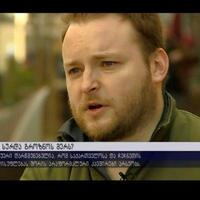
Ani Avetisyan, Londra ve Erivan merkezli bir gazetecidir ve veri gazeteciliği ile açık kaynak araştırmaları alanında over five years deneyime sahiptir.
Son yıllarda ana odak noktası Kafkasya'daki siyaset ve çatışmalar olmuştur.
Ani Avetisyan ayrıca medya okuryazarlığı, fact-checking ve OSINT odaklı bir medya eğitmenidir.
Armenia has formalized closer relations with the United States through a strategic partnership agreement and passed a law authorizing efforts to pursue European Union membership. The moves reflect growing dissatisfaction with Russia, which many Armenians blame for failing to provide security support during the conflict over Nagorno-Karabakh. Armenia has suspended its participation in the Collective Security Treaty Organization but has not announced plans to leave the Eurasian Economic Union, despite Russian warnings that EU and EAEU membership are incompatible. EU accession would require extensive domestic reforms and a peace agreement with Azerbaijan, whose renewed demand for extraterritorial transit rights has hindered negotiations. The future of US-Armenian cooperation is also uncertain as Donald Trump prepares to return to office.
Armenia's relations with the European Union and United StatesEuropean Union integrationArmenia-Russia relationsArmenia-Azerbaijan peace processSouth Caucasus geopoliticsArmeniaSouth CaucasusRussiaGovernment of ArmeniaEuropean UnionUnited StatesGovernment of Russia
Haber tarzıDengeli
Mostly factual reporting, with some interpretive framing about Armenia's geopolitical shift and its implications.
Görüş ağırlıklıOlgusal
Siyasi bağlamMerkez
Geopolitical analysis describes competing positions and uncertainties without advocating a clear partisan or ideological stance.
Aşırı solAşırı sağ
Azerbaijan Wants EU Monitoring Mission to Leave
Eurasianet18 Ara 2024English
Azerbaijan says the EU monitoring mission must leave before it will sign a peace treaty with Armenia, while Armenian Prime Minister Nikol Pashinyan argues that the mission remains important for security and suggests limiting its work to undemarcated border areas. Negotiators have reportedly agreed on 15 of 17 draft treaty articles, but constitutional language concerning Nagorno-Karabakh remains a major sticking point. Further criminal charges against detained former Karabakh leader Ruben Vardanyan could also complicate negotiations.
Armenia-Azerbaijan Peace NegotiationsEU Monitoring MissionNagorno-KarabakhArmeniaAzerbaijanEuropean UnionGovernment of AzerbaijanGovernment of ArmeniaIlham AliyevNikol PashinyanHikmet HajiyevRuben Vardanyan
Haber tarzıBilgilendirici
Mostly factual reporting, with limited evaluative wording and attributed claims.
Görüş ağırlıklıOlgusal
Siyasi bağlamMerkez
Reports the positions of Armenia and Azerbaijan and the state of negotiations without endorsing either side.
Aşırı solAşırı sağ
Armenia evacuates embassy in Syria, promises to help its citizens and ethnic Armenians
Eurasianet10 Ara 2024English
After the Assad government fell, Armenia relocated its Damascus embassy staff to Beirut and withdrew its non-combat peacekeeping contingent from Syria. Armenian officials say they are working to provide consular support and assist Armenian citizens and people of Armenian heritage who want to leave, but insecurity has blocked planned evacuation flights and no charter flights are currently scheduled. The takeover by Hayat Tahrir al-Sham has heightened fears among Syrian-Armenians, whose community has shrunk substantially since the Syrian conflict began.
Armenia's response to the fall of the Assad governmentEvacuation of Armenian citizens and ethnic Armenians from SyriaSyrian-Armenian communitySyriaArmeniaLebanonGovernment of ArmeniaHayat Tahrir al-ShamArmenian Ministry of Foreign AffairsArmenian Ministry of DefenseOffice of the High Commissioner for Diaspora AffairsBashar al-Assad
Haber tarzıOlgusal
Predominantly factual reporting, with attributed concerns and limited interpretive language.
Görüş ağırlıklıOlgusal
Siyasi bağlamMerkez
Straightforward reporting on government actions and security concerns, without a clear partisan stance.
Aşırı solAşırı sağ
Armenian PM Insists Country Has Irrevocably Broken with the Russia-Led CSTO
Eurasianet6 Ara 2024English
Armenian Prime Minister Nikol Pashinyan says Armenia’s break with the Russia-led CSTO has passed the point of no return, citing the alliance’s failure to support Armenia during the Second Karabakh War. Armenia has suspended its participation and is seeking closer integration with Western political, economic, and security institutions. Russian Foreign Minister Sergei Lavrov says no formal withdrawal notice has been received and that Armenia remains welcome, while Vladimir Putin has suggested Pashinyan’s comments are aimed at a domestic audience and predicted Armenia will not ultimately leave.
Mostly factual reporting, with some pointed framing about Russia's assumptions and Armenia's break with the alliance.
Görüş ağırlıklıOlgusal
Siyasi bağlamMerkez
Reports competing Armenian and Russian positions on the CSTO without endorsing a political side.
Aşırı solAşırı sağ
Armenia to Reduce Housing Aid for Nagorno-Karabakh Refugees
Eurasianet2 Ara 2024English
Armenia plans to cut monthly housing subsidies for Nagorno-Karabakh refugees beginning in April 2025. Working-age recipients outside designated vulnerable groups will lose assistance, while eligible children, students, pensioners, and people with disabilities will see payments reduced. The government says the changes will encourage employment and self-sufficiency, but refugees and advocates argue that housing grants do not cover rising costs and that rural areas lack jobs and infrastructure. Former Karabakh official Artak Beglaryan warns the policies could fuel emigration rather than integration. More than 90,000 refugees have temporary protection status, while only about 1,500 have applied for Armenian citizenship.
Nagorno-Karabakh refugeesHousing assistanceRefugee integrationArmeniaNagorno-KarabakhAzerbaijanArmenian governmentGovernment of AzerbaijanArmenian Ministry of LaborNikol PashinyanArtak Beglaryan
Haber tarzıYorumlayıcı
Mostly factual reporting, with some evaluative framing about the likely effects of the aid cuts.
Armenian Prime Minister Nikol Pashinyan’s November cabinet reshuffle is set to make women at least one-third of ministers for the first time, including the appointment of Arpine Sargsyan as interior minister. The changes follow the resignation of six senior officials and are part of a process that remains underway. Pashinyan says the shake-up is intended to renew anti-corruption efforts, while critics suspect he is seeking to improve his image ahead of possible snap elections. The appointment of his godson, David Khudatyan, to oversee territorial administration and infrastructure has sparked criticism. Women now make up 37 percent of parliament, reflecting in part a gender quota, and hold prominent government roles.
Gender EquityArmenian PoliticsWomen's Political RepresentationCabinet ReshuffleArmeniaGovernment of ArmeniaArmenian ParliamentNikol PashinyanArpine SargsyanDavid KhudatyanAnahit AvanesyanSrbuhi Galyan
Haber tarzıDengeli
Mostly factual reporting, with some interpretive framing about the reshuffle’s motives and significance.
Görüş ağırlıklıOlgusal
Siyasi bağlamMerkez
Reports on government appointments and competing interpretations of the reshuffle without endorsing a partisan position.
Aşırı solAşırı sağ
Freedom House report: Azerbaijan engaged in “ethnic cleansing” of Karabakh Armenians
Eurasianet19 Kas 2024English
A Freedom House report says Azerbaijan’s 2023 takeover of Nagorno-Karabakh and the flight of about 100,000 Armenians amounted to ethnic cleansing, and that documented acts constituted war crimes and crimes against humanity. The report draws on a fact-finding mission with partner organizations and was released during COP29 in Baku. Its conclusion is the first formal classification of the events as ethnic cleansing by a watchdog group or international body. A late-2023 UN mission had reported that it found insufficient evidence of violence or intimidation during the exodus, while Azerbaijani officials maintain that the Armenians left voluntarily and could have stayed. Armenia and Azerbaijan have brought competing claims before the International Court of Justice, which has issued interim rulings including affirming displaced Armenians’ right to return.
Nagorno-Karabakh conflictForced displacementEthnic cleansing allegationsWar crimesArmenian cultural heritageNagorno-KarabakhAzerbaijanArmeniaFreedom HouseUnited NationsInternational Court of JusticeAni Avetisyan
Haber tarzıDengeli
Reports and attributes competing claims, but foregrounds Freedom House’s conclusions and includes some evaluative framing.
Görüş ağırlıklıOlgusal
Siyasi bağlamMerkez
Straightforward reporting on a conflict and competing legal and official positions, without clear partisan advocacy.
Aşırı solAşırı sağ
Major government shake-up in Armenia
Eurasianet18 Kas 2024English
Six senior Armenian officials, including the interior minister and heads of key judicial, investigative and revenue bodies, resigned on November 18 at Prime Minister Nikol Pashinyan's request. The departures followed his public frustration over weak progress on judicial and law-enforcement reforms, delayed justice, anti-corruption efforts and rising crime. Pashinyan said the changes addressed systemic problems and aimed to build a stronger Armenia, while opposition figures accused him of sacrificing subordinates to deflect responsibility and suggested the shake-up could prepare for early elections. No replacements had been announced.
Armenian GovernmentGovernment ResignationsJudicial ReformLaw Enforcement ReformArmenian PoliticsArmeniaYerevanGovernment of ArmeniaInvestigative Committee of ArmeniaAnti-Corruption Committee of ArmeniaSupreme Judicial Council of ArmeniaState Revenue Committee of Armenia
Haber tarzıBilgilendirici
Primarily factual reporting, with limited interpretive framing and attributed criticism.
Görüş ağırlıklıOlgusal
Siyasi bağlamMerkez
Straight news coverage presents government and opposition claims without clear ideological endorsement.
Aşırı solAşırı sağ
Armenia: Government Efforts to Enhance Surveillance Infrastructure Fuel Privacy Concerns
Eurasianet8 Kas 2024English
Armenia has postponed final consideration of a bill that would give law enforcement continuous access to public-space camera footage in Yerevan and require many institutions and businesses to install cameras. Officials say expanded surveillance could deter crime and help solve cases, but Human Rights Watch and Armenia's Data Protection Agency warn that the proposal risks disproportionate privacy intrusions and insufficient oversight. Experts also raise concerns about hacking and potential use of artificial intelligence for biometric surveillance. The debate has political implications amid protests against Prime Minister Nikol Pashinyan, while the government faces scrutiny over its record on personal-data protections and its efforts to align Armenia more closely with the West.
Government SurveillancePrivacy RightsCivil LibertiesArtificial IntelligenceArmenian PoliticsArmeniaYerevanGeorgiaArmenian GovernmentArmenian ParliamentHuman Rights WatchArmenia's Data Protection Agency
Haber tarzıDengeli
Mostly factual reporting, with emphasis on privacy and human-rights risks and limited evaluative framing.
Görüş ağırlıklıOlgusal
Siyasi bağlamMerkez
Primarily reports competing arguments and government actions without endorsing a political party or ideological position.
Aşırı solAşırı sağ
Georgia: President provokes Armenian ire with perceived ‘xenophobic’ comments
Eurasianet31 Eki 2024English
Georgian President Salome Zourabichvili’s description of an alleged election-fraud tactic as an “Armenian carousel” triggered criticism in Armenia, where social media users called the wording xenophobic or Armenophobic. Zourabichvili has alleged that Georgian Dream stole the October 26 parliamentary election, which the party officially won with 54 percent of the vote. Critics, including analyst Tigran Grigoryan, disputed her characterization and noted that similar vote-buying or repeat-voting practices occur in other countries. The controversy also highlighted longstanding concerns about the political underrepresentation of ethnic minorities in Georgia and the use of ethnic-origin insinuations against political opponents.
Georgia's 2024 parliamentary electionEthnic identity in politicsArmenophobiaElection fraud allegationsGeorgiaArmeniaSouth CaucasusGeorgian DreamAssociated PressGeorgian Social Justice CentreOC MediaSalome Zourabichvili
Haber tarzıDengeli
Primarily reports events and attributed claims, while framing the controversy as reflecting broader ethnic sensitivities.
Görüş ağırlıklıOlgusal
Siyasi bağlamMerkez
The article uses reported facts and attributed viewpoints to explain the controversy without endorsing a political position.
Gizliliğinize saygı duyuyoruz ve temel işlevsellik sağlamak ve ziyaretinizi geliştirmek için sınırlı sayıda çerez kullanıyoruz. Üçüncü taraf reklam çerezi söz konusu değildir. Daha fazla ayrıntı için lütfen Çerez Politikamızı okuyun.