New York Times Beirut Bureau Chief, covering Syria and the Middle East
Based in Beirut
Previously served as Middle East and Baghdad bureau chief for the Boston Globe
Reported in the USA for the New York Times, Boston Globe and Philadelphia Inquirer.
Covered Russia in the 90s for the Moscow Times
The New York TimesBostonGlobe.comHot TakeBoston.comThe Seattle TimesIndianexpressAkıllı GündemAustralian Financial ReviewClarinSpokesman.comSfgate
Work 119
Hallelujah, Churches Have Seen the Light
Hottakepod1 Jul 2023English
The article discusses the Presbyterian Church's decision to divest $4-$7 million from fossil fuels, including stakes in Chevron, Exxon Mobil, Marathon Petroleum, Phillips 66, and Valero Energy. This move is significant due to the historical ties between western Christianity and the oil industry, as detailed by Darren Dochuk in his book 'Annointed with Oil'. The article also touches on the early days of the oil industry in the U.S., where religious beliefs and oil exploration were closely linked, particularly by figures like Lyman Stewart and John D. Rockefeller. The divestment by the Presbyterian Church is seen as a major step in the broader societal shift away from fossil fuels. Additionally, the article includes a section on climate coverage in the media, addressing the intersection of climate crisis with other major news events and the start of wildfire and hurricane seasons. It also critiques BP's social media engagement with the LGBTQ community in the context of environmental issues.
Religion and Energy IndustryFossil Fuel DivestmentClimate ChangeEnvironmental PolicyWildfiresClimate Coverage in MediaLGBTQ Community and Climate ChangeUnited StatesPeruSouthern CaliforniaDarren DochukPresbyterian Church
Reporting styleBalanced
OpinionatedFactual
Hallelujah, Churches Have Seen the Light
Hottakepod1 Jul 2023English
The article discusses the Presbyterian Church's decision to divest $4-$7 million from fossil fuels, including stakes in Chevron, Exxon Mobil, Marathon Petroleum, Phillips 66, and Valero Energy. This move is significant due to the historical ties between western Christianity and the oil industry. The article also touches on the early days of the oil industry in the U.S. and how religion played a role in the expansion of oil companies, particularly mentioning Lyman Stewart and John D. Rockefeller. Additionally, the article covers the media's climate change coverage in May and June, noting an initial increase followed by a decrease in attention. It criticizes news outlets for not taking the climate crisis seriously despite earlier pledges. Furthermore, the article shares personal reflections on wildfire fatigue and the decision to move away from California, as well as a critique of BP and Shell for their performative support of the LGBTQ+ community during Pride Month while contributing to the climate crisis.
Fossil Fuel DivestmentReligion and Oil IndustryClimate Change Media CoverageWildfires and Climate ChangeCorporate Social ResponsibilityClimate CrisisUnited StatesPeruSouthern CaliforniaDarren DochukPresbyterian ChurchChevron
Reporting styleBalanced
OpinionatedFactual
Hallelujah, Churches Have Seen the Light
Hottakepod1 Jul 2023English
The article discusses the Presbyterian Church's decision to divest $4-$7 million from fossil fuels, including stakes in Chevron, Exxon Mobil, Marathon Petroleum, Phillips 66, and Valero Energy. This move is significant due to the historical ties between western Christianity and the oil industry, as detailed by Darren Dochuk in his book 'Annointed with Oil'. The article also touches on the early days of the oil industry in the U.S., where religious beliefs and oil exploration were closely linked, particularly by figures like Lyman Stewart and John D. Rockefeller. The divestment by the Presbyterian Church is seen as a major step in the broader societal shift away from fossil fuels. Additionally, the article includes a section on climate coverage in the media, addressing the intersection of climate crisis with other major news events and the start of wildfire and hurricane seasons. It also critiques BP's social media engagement with the LGBTQ community in the context of environmental issues.
Religion and Energy IndustryFossil Fuel DivestmentClimate ChangeEnvironmental PolicyWildfiresClimate Coverage in MediaLGBTQ Community and Climate ChangeUnited StatesPeruSouthern CaliforniaDarren DochukPresbyterian Church
Reporting styleBalanced
OpinionatedFactual
The Great Resignation Hits NYC Prosecutors
Nytimes5 Apr 2023English
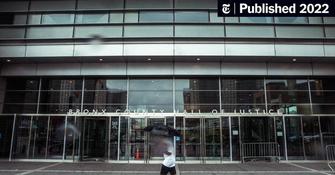
The article discusses a significant wave of resignations among prosecutors in New York City, highlighting the issue as part of 'The Great Resignation'. A substantial number of prosecutors have left their positions in the past year, with offices in Manhattan, Brooklyn, the Bronx, Staten Island, and Queens experiencing high turnover rates. Factors contributing to this trend include pandemic-related burnout, low salaries, and increased workloads. The latter has been exacerbated by two new laws aimed at making the judicial process more equitable by requiring prosecutors to share more documents with defense teams earlier, thereby increasing their workload in an already overwhelmed court system.
The Great ResignationJudicial SystemLegal WorkforceNew York CityManhattan District Attorney's OfficeBrooklyn District Attorney's OfficeBronx District Attorney's OfficeStaten Island District Attorney's OfficeQueens District Attorney's OfficeJonah Bromwich
Reporting styleInformative
OpinionatedFactual
Fire in Manhattan High-Rise Injures 38; Lithium-Ion Battery Blamed
Spokesman1 Apr 2023English
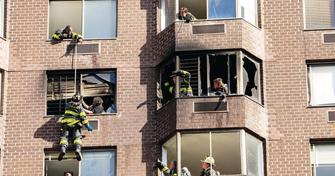
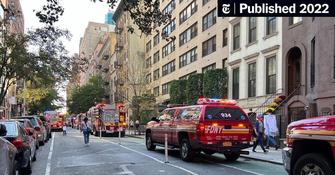
A fire in a Manhattan high-rise, caused by a lithium-ion battery in an electric bicycle, resulted in at least 38 injuries. Firefighters performed a dramatic rescue of a woman from the 20th floor, where the fire originated. The FDNY used ropes in what was described as a 'last resort' tactic. The fire has raised concerns about the safety of lithium-ion batteries, which have been linked to 200 fires in New York City this year alone. The article also touches on the confusion among residents during the fire, the response by emergency services, and the broader implications for building safety and emergency preparedness.
Fire AccidentPublic SafetyEmergency ResponseNew YorkNew York TimesFDNYRed CrossNew York Police DepartmentDaniel FlynnFrank LeebRiley JankowskiAllie Gold
Reporting styleInformative
OpinionatedFactual
How climate change can supercharge snowstorms
Bostonglobe23 Dec 2022English
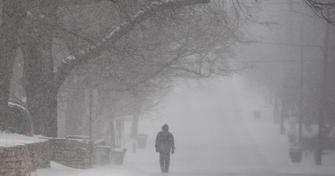
The article discusses the paradox of increased snowfall in certain conditions despite global warming. Kevin Reed, an associate professor at the School of Marine and Atmospheric Sciences at Stony Brook University, explains that while overall snowfall is decreasing, higher temperatures allow the atmosphere to hold more water, leading to more precipitation. This can result in heavy snowfall when temperatures are just below freezing. The article also touches on the risks associated with different types of precipitation, including the potential for flooding from both rain and melting snow, especially when temperatures hover around the freezing point.
Climate ChangeWeather PatternsGlobal WarmingUnited StatesSchool of Marine and Atmospheric Sciences at Stony Brook UniversityThe New York TimesKevin Reed
Reporting styleFactual
OpinionatedFactual
If the globe is warming, shouldn’t there be less snow?
Seattletimes22 Dec 2022English
The article addresses a common question about global warming and snowfall, citing Kevin Reed, an associate professor at the School of Marine and Atmospheric Sciences at Stony Brook University. Reed explains that while overall snowfall is decreasing due to global warming, higher temperatures allow the atmosphere to hold more water, leading to more precipitation, which can still fall as snow under certain conditions. He notes that warmer air leads to more humidity and moisture, which can result in sudden downpours and flooding, as seen after Hurricane Ida. Reed also discusses how slight increases in temperature can lead to more snowfall when temperatures are just below freezing, and the flooding risks associated with freezing temperatures.
Climate ChangeWeather PatternsGlobal WarmingUnited StatesSchool of Marine and Atmospheric Sciences at Stony Brook UniversityKevin Reed
Reporting styleFactual
OpinionatedFactual
Netanyahu’s Comeback Widens Divide Over Israel Among American Jews
The New York Times20 Nov 2022English
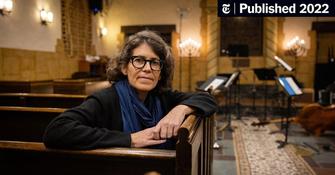
The return of Benjamin Netanyahu as Israel's prime minister, aided by far-right parties, has deepened divisions among American Jews. Rabbi Rachel Timoner expressed concern over the election results, linking them to global far-right trends. While some American Jews, particularly conservatives and Orthodox communities, welcomed Netanyahu's victory, others voiced unease. The Orthodox Union congratulated Netanyahu, while writers in the right-leaning Tablet magazine dismissed liberal concerns. The article highlights the growing political divide within the American Jewish community regarding Israel's leadership.
The article contains subjective statements and opinions about political developments.
OpinionatedFactual
Political contextRight
The article discusses the rise of far-right politics in Israel and its impact on American Jews.
Far leftFar right
Takeaways From New York’s Midterm Election Results
The New York Times9 Nov 2022English
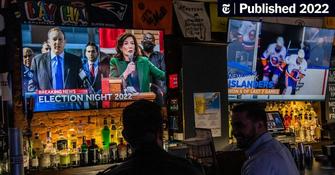
New York's midterm elections showed signs of Democratic resilience and surprising Republican gains. Governor Kathy Hochul won against Lee Zeldin, who acknowledged the close margin in his concession. Despite being outnumbered, Republicans in New York had their strongest statewide performance in decades, capitalizing on issues like crime and inflation.
Mostly factual reporting of election results with some analysis
OpinionatedFactual
Political contextCentre
The article reports on election results which are inherently political, but does not espouse a particular political ideology.
Far leftFar right
At Least 38 Injured in High-Rise Fire in Manhattan
Nytimes5 Nov 2022English
A fire broke out in a high-rise building in Midtown Manhattan, leading to a dramatic rescue of a trapped woman by firefighters. The fire, which occurred at 429 East 52nd Street, injured at least 38 people. Chief Fire Marshal Daniel E. Flynn identified the cause of the fire as a lithium-ion battery from an electric bicycle. The apartment where the fire originated contained at least five e-bikes, and there is an ongoing investigation into whether the resident was conducting unauthorized bike repairs. This incident adds to the approximately 200 fires in New York City this year attributed to lithium-ion batteries, which have resulted in six fatalities.
Fire RescueLithium-Ion Battery HazardsUnited StatesNew YorkNew York City Fire DepartmentDaniel E. Flynn
We respect your privacy and use a limited number of cookies to provide essential functionality and enhance your visit. No third-party advertising cookies involved. For more details, please read our Cookie Policy.