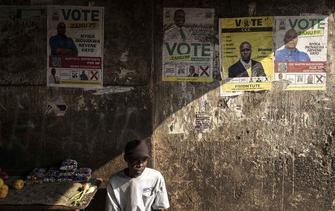
Zimbabwe's urban frontier
Zimbabwe’s cities face severe infrastructure strain, entrenched informality, and governance conflicts driven by rapid urbanisation, weak municipal autonomy, and overlapping land tenure systems. Experts highlight how political interference, inadequate enforcement of laws, and fragile municipal finances obstruct long-term planning and service delivery. Expanding informal settlements, declining water and sewer systems, and limited formal employment illustrate how urban areas act as survival zones rather than engines of growth. Structural reforms including secure land tenure, strengthened local government, depoliticised administration, and proactive spatial planning are identified as essential for enabling Zimbabwe’s cities—especially Harare and Bulawayo—to support inclusive economic development.
Stile giornalisticoEquilibrato
Mix of factual reporting and expert commentary
Contesto politicoCentro
Focuses on governance issues without ideological framing