Journalisten engagieren

Verlage & Sender Content-Marketing-Teams PR- & Kommunikationsteams Risiko- & Intelligence-Teams Journalisten finden Medienbeobachtung Preise

Für Journalisten

Stellenangebote im Journalismus Honorare und Tarife Kostenloses Profil erstellen

Über Bibi-Aisha

Bibi-Aisha Wadvalla ist eine preisgekrönte südafrikanische Journalistin mit Interesse an Gesundheit, Wissenschaft und Entwicklung. Sie schließt derzeit einen Masters in Public Health ab. Zuvor arbeitete sie als TV-Reporterin für eNCA und war Nahost-Korrespondentin für die South African Broadcasting Corporation – insbesondere mit Berichterstattung über die Aufstände in Ägypten und Libyen. Sie moderierte eine landesweite aktuelle Radiosendung bei SAfm, gründete ein Online-Radio-Portal und arbeitete freiberuflich für The Guardian, Al Jazeera, Nature Middle East, SciDev, Daily News Egypt, Salaam Gateway und Marie Claire. Sie erhielt mehrere Berichterstattungsstipendien, unter anderem von der Reuters Foundation, National Press Foundation, International Women's Media Foundation und der World Federation of Science Journalists.

Sprachen
Englisch
Gesehen in
Health E Bmj Al Jazeera The Guardian Daily Maverick Nature Ideas

Arbeiten 17

Government action plan for foodborne illnesses

Health-e News 21. Nov. 2024 English

Since September, 890 cases of foodborne illnesses have been reported across South Africa, with 22 children dying, leading to the declaration of a national disaster. The government has formed an interdisciplinary task team to address the crisis. Key actions include addressing the shortage of environmental health inspectors and issuing protocols to schools. Terbufos, a pesticide linked to some deaths, was found in three spaza shops, but no legal action is being taken due to insufficient evidence. The Department of Agriculture is investigating the potential illegal importation of terbufos, as it differs from locally produced versions.

Foodborne Illnesses Public Health Government Response South Africa Soweto Department of Health Department of Basic Education Department of Agriculture Velenkosi Hlabisa Aaron Motsoaledi John Steenhuisen Terbufos
BerichtsstilInformativ

The article presents factual information about government actions and investigations related to foodborne illnesses.
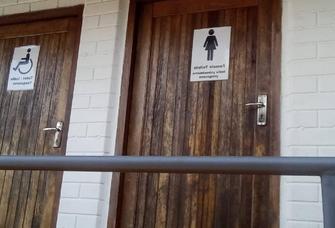
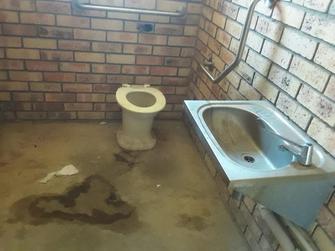
Going to the clinic? Bring your own toilet paper, soap

Health-e News 20. Nov. 2024 English

Public clinics in the Free State, KwaZulu-Natal, and Limpopo provinces face severe sanitation issues, with many lacking basic necessities like water, soap, and toilet paper. Patients often bring their own supplies due to frequent water cuts and poor maintenance. The Department of Health and local municipalities are criticized for inadequate facilities and slow response to maintenance needs. Despite claims of regular supply deliveries, many clinics report shortages and unclean conditions, raising concerns about the quality of healthcare and patient safety.

Public Health Sanitation Issues Healthcare Facilities Free State KwaZulu-Natal Limpopo Department of Health Mangaung Municipality eThekwini Municipality Capricorn District Municipality Democratic Nursing Organisation of South Africa Molefi Sompane
BerichtsstilAusgewogen

The article presents factual observations but includes subjective statements from individuals.

Toilets Of Despair: Dirty, Broken Toilets at Clinics Speak of Systemic Neglect

Health-e News 18. Nov. 2024 English

The article highlights the dire state of sanitation in South African primary health facilities, revealing systemic neglect that compromises patient dignity and public health. Community journalists surveyed 31 clinics, finding that most toilets are unclean and lack basic supplies, posing health risks. The Treatment Action Campaign and other organizations emphasize the need for improved sanitation as a human right. The article calls for better governance and budget allocation to address these issues, noting the psychological impact on patients and the potential barrier to accessing healthcare.

Healthcare Sanitation Public Health South Africa Limpopo KwaZulu-Natal Treatment Action Campaign National Institute For Communicable Diseases Labour Research Service SECTION27 Rural Health Advocacy Project Morongwa Ntini
BerichtsstilInterpretierend

The article presents a mix of factual reporting and subjective statements, highlighting systemic neglect and emotional impacts.

Politischer KontextMitte-links

The article discusses systemic neglect in public healthcare, advocating for better governance and budget allocation.

Five ways that climate change threatens human health

Health-e News 18. Nov. 2024 English

The article discusses the significant threats climate change poses to human health, highlighting five key areas: the spread of infectious diseases, food security and nutrition, access to healthcare, air quality, and extreme heat. It emphasizes the disproportionate impact on Africa despite its minimal contribution to global emissions and underscores the need for health professionals to prepare for these challenges. The Lancet Countdown report is cited, warning of increased disease spread and food insecurity, while also noting the inadequacy of current health emergency plans. The article calls for urgent action to mitigate these health risks as climate change progresses.

Climate Change Human Health Africa Europe Ghana University of Southampton UN World Health Organization Michael Head Jessica Boxall
BerichtsstilAusgewogen

The article presents factual information but includes some subjective interpretations and predictions about the impact of climate change on health.

Reduced physical activity, limited access to affordable healthy food drivers of childhood diabetes in South Africa

Health-e News 15. Nov. 2024 English

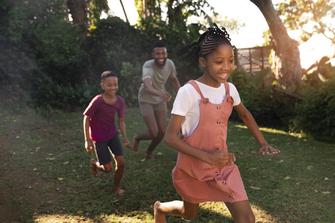
Childhood diabetes is becoming increasingly common in South Africa, driven by reduced physical activity and limited access to affordable healthy food, particularly in urban areas. Socioeconomic conditions lead to sedentary lifestyles and unhealthy eating habits, increasing obesity and type 2 diabetes risks. Experts highlight the role of obesity and lack of safe recreational spaces in this trend. Efforts to combat obesity include advocacy for increased taxes on sugary drinks and better food labeling. The health system faces significant financial strain due to rising diabetes rates, necessitating urgent action to address these issues.

Childhood Diabetes Obesity Public Health South Africa Johannesburg Soweto University of Western Cape Wits University Michelle Carrihill Tamryn Frank Noluthando
BerichtsstilInformativ

The article presents factual information with some expert opinions.

MSF condemns Novo Nordisk double standard in diabetes care

Health-e News 14. Nov. 2024 English

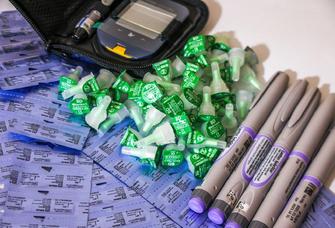
Doctors Without Borders (MSF) criticizes Novo Nordisk for discontinuing insulin pens in South Africa, forcing patients to revert to syringes, complicating diabetes care. MSF is organizing a protest in Johannesburg, urging Novo Nordisk and other manufacturers to price insulin pens at $1. The article highlights the double standard in diabetes treatment between high-income and low-income countries, with MSF advocating for affordable access and technology sharing to ensure sustainable insulin supply. The South African government is exploring alternatives, but cost remains a significant barrier.

Diabetes Care Pharmaceutical Industry Public Health South Africa Johannesburg Africa Doctors Without Borders MSF South African government Candice Sehoma Novo Nordisk Aspen
BerichtsstilInterpretierend

The article presents a critical view of Novo Nordisk's decision, highlighting perceived inequities and advocating for change.

Politischer KontextLinks

Advocates for equitable access to healthcare and criticizes corporate prioritization of profits over public health.

Advancing biotechnology to solve Africa’s food challenges

Nature 1. Dez. 2022 English

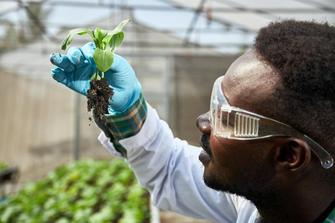
Global plant disease outbreaks, exacerbated by climate change, pose a significant threat to agriculture, particularly in Africa. Experts like Wijnand Swart and Eric Danquah highlight the challenges and potential solutions, including biotechnology and genetic engineering, to improve crop resilience and productivity. Despite technological advancements, resource constraints and regulatory hurdles hinder widespread adoption. Organizations like AUDA-NEPAD and the International Potato Centre advocate for biotechnology to address food security issues, while regulatory and infrastructural improvements are necessary to support smallholder farmers.

Biotechnology Food Security Climate Change Africa South Africa Uganda University of Free State West Africa Centre for Crop Improvement Food and Agriculture Organisation of the United Nations Africa Union Development Agency-New Partnership for Africa's Development International Potato Centre African Agricultural Technology Foundation
BerichtsstilAusgewogen

Balanced mix of factual reporting and expert opinions

What if 1 or 2 flu shots could cover us for the rest of our lives? Researchers are working on it

TED Ideas 20. Dez. 2021 English

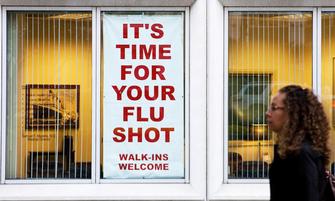
Researchers are working on developing a universal flu vaccine that could potentially require only one to three shots over a person's lifetime. This effort is driven by the influenza virus's constant mutation and the limited efficacy of current annual vaccines. The US National Institutes of Health has set criteria for such a vaccine, and recent breakthroughs in antibody technology have brought this goal closer. However, significant financial investment and extensive clinical trials are still needed. The universal flu vaccine could dramatically reduce global flu cases and prevent future pandemics, but it faces challenges including financial incentives for pharmaceutical companies.

Universal Flu Vaccine Influenza Medical Research United States Philippines Israel US National Institutes of Health Mount Sinai Icahn School of Medicine Melvin Sanicas Florian Krammer Sarah Gilbert
BerichtsstilAusgewogen

Balanced mix of factual information and expert opinions

How South Africa is dragging its vaccine rollout back from the brink

BMJ 4. Aug. 2021 English

South Africa is facing a severe third wave of COVID-19, driven by the Delta variant, leading to high hospitalizations and deaths, particularly in Gauteng province. Despite securing significant vaccine doses from Covax and AstraZeneca, the country's vaccination rollout has been slow and criticized for its lack of urgency. The Department of Health and experts like Mosa Moshabela have highlighted the challenges and delays in the vaccination process.

COVID-19 Vaccination Public Health South Africa Gauteng Johannesburg Department of Health University of KwaZulu-Natal Covax Mosa Moshabela AstraZeneca vaccine
BerichtsstilAusgewogen

The article presents a mix of factual reporting and subjective statements, particularly regarding the criticism of the vaccine rollout.

Covid-19: Ivermectin’s politicisation is a warning sign for doctors

The BMJ 1. Apr. 2021 English

As the Covid-19 pandemic persists, doctors, especially in low and middle-income countries, are seeking effective treatments. Ivermectin, an inexpensive antiparasitic drug, has been claimed by some doctors to be effective against Covid-19. In South Africa, with the highest infection rate in Africa, groups of doctors and patients have pressured the government for emergency approval, despite weak evidence. The Ivermectin Interest Group and I Can Make A Difference are advocating for its use, while SAHPRA has only granted compassionate use approval. The debate over Ivermectin's use highlights the politicisation of medical treatments during the pandemic.

Covid-19 Medical Treatment Health Policy South Africa Africa Ivermectin Interest Group I Can Make A Difference South African Health Products Regulatory Authority (SAHPRA) Naseeba Kathrada Ivermectin
BerichtsstilAusgewogen

Contains both factual reporting and advocacy for specific treatments

Alle 17 Arbeiten mit einem kostenlosen Konto ansehen

Engagieren Nachricht
×

Registrieren Sie sich, um Bibi-Aisha eine Nachricht zu senden

Haben Sie bereits ein Konto? Anmelden
Suchen Sie Arbeit? Als Journalist registrieren
Verifizieren Sie Ihre E-Mail, um die Registrierung abzuschließen
Wir haben gerade eine E-Mail gesendet an . Bitte prüfen Sie Ihren Posteingang und klicken Sie auf den Link, um Ihre E-Mail-Adresse zu verifizieren und Ihre Registrierung abzuschließen. Falls Sie die E-Mail nicht sehen, prüfen Sie unbedingt Ihren Spam- oder Junk-Ordner.
E-Mail nicht erhalten?

Registrieren Sie sich, um Profile freizuschalten

Haben Sie bereits ein Konto? Anmelden
Suchen Sie Arbeit? Als Journalist registrieren
Verifizieren Sie Ihre E-Mail, um die Registrierung abzuschließen
Wir haben gerade eine E-Mail gesendet an . Bitte prüfen Sie Ihren Posteingang und klicken Sie auf den Link, um Ihre E-Mail-Adresse zu verifizieren und Ihre Registrierung abzuschließen. Falls Sie die E-Mail nicht sehen, prüfen Sie unbedingt Ihren Spam- oder Junk-Ordner.
E-Mail nicht erhalten?