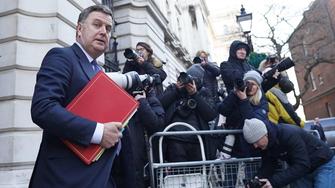
People in their 40s now may have to work until 70, pensions review suggests
iNews5 Eki 2023English
A review by Baroness Neville-Rolfe suggests raising the UK pension age to 69 or 70 for those born after 1979 to cap state pension spending at 6% of GDP. The government has delayed any changes until after the next election, considering life expectancy trends. The decision follows a slowdown in life expectancy, with the pension age still set to rise to 67 by 2028 and 68 by 2046. The review's potential policy shift is criticized as draconian, with concerns about its impact on younger workers. The Institute for Fiscal Studies estimates significant costs if the pension age rise is delayed. The article also references France's pension reform efforts.
Pension ReformRetirement AgeGovernment PolicyUnited KingdomFranceUK GovernmentInstitute for Fiscal StudiesBaroness Neville-RolfeMel StrideSir Steve WebbJonathan AshworthEmmanuel Macron
Haber tarzıDengeli
The article presents a mix of factual information and opinions from various stakeholders, including government officials and experts.
Görüş ağırlıklıOlgusal
Siyasi bağlamMerkez sol
The article includes criticism from the Shadow Work and Pensions Secretary, indicating a center-left perspective on government policy.
Aşırı solAşırı sağ
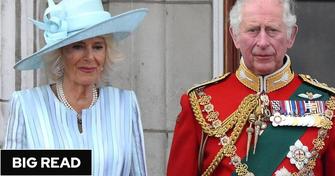
How much money the Royal Family actually makes, and how they spend it
iNews4 May 2023English
The article examines the finances of the British Royal Family, highlighting their income sources, including the Sovereign Grant and private estates like the Duchies of Lancaster and Cornwall. It discusses the family's wealth, tax exemptions, and spending, particularly on properties and staff. The upcoming coronation of King Charles III is criticized for its cost amid the UK's economic challenges, with public opinion divided on government funding for the event. Critics argue the monarchy's spending is excessive, while government officials emphasize value for taxpayers.
Royal Family FinancesUK MonarchyPublic SpendingUnited KingdomEuropeRoyal FamilyCrown EstateDuchy of LancasterDuchy of CornwallBuckingham PalaceHouse of CommonsRepublic
Haber tarzıDengeli
The article presents a mix of factual information and opinions, particularly regarding the costs and public perception of the Royal Family's finances.
Görüş ağırlıklıOlgusal
Siyasi bağlamMerkez sol
Criticism of public spending on the monarchy and calls for transparency.
Aşırı solAşırı sağ
When Mortgage Rates Could Go Down, According to Experts
inews27 Nis 2023English
Mortgage rates have eased from last year’s peaks but remain high, with the average two-year fixed rate at 5.26% and the five-year rate at 4.97%. Experts disagree on how soon they may fall: some expect rates to stay around current levels amid sticky inflation and a possible further Bank of England increase, while others point to slight reductions and competition among lenders. Five-year fixes are currently often the cheapest, especially for borrowers with deposits of at least 25%, while two-year fixes and trackers offer more flexibility if rates decline but may cost more in the meantime. Experts do not expect fixed rates below 3% soon, and borrowers are encouraged to seek professional advice.
Mortgage RatesMortgagesInterest RatesHousehold BudgetsUnited KingdomBank of EnglandOffice for National StatisticsAndrew MontlakeNick MendesAaron StruttCoreco MortgagesJohn Charcol
Haber tarzıBilgilendirici
Primarily factual reporting, presenting mortgage-market data and attributed expert forecasts.
Görüş ağırlıklıOlgusal
Rush to Ditch Variable Mortgages After Predictions of Interest Rates Hitting 5 Per Cent
inews21 Nis 2023English
Mortgage brokers report more borrowers seeking to switch from variable and tracker deals to fixed-rate mortgages after financial markets raised forecasts that the Bank of England base rate could reach 5 per cent this year. The forecasts followed inflation falling less than expected. Standard variable rates average 7.04 per cent, with some lenders charging over 8 per cent, while average two- and five-year fixed rates are lower. Brokers urge borrowers on expensive variable rates to review their options, but economists caution that a 5 per cent base rate is uncertain and market forecasts can be wrong.
MortgagesInterest RatesInflationPersonal FinanceUnited KingdomBank of EnglandOffice for National StatisticsNicholas MendesDavid HollingworthLiz TrussBarclaysNewcastle Building Society
Haber tarzıBilgilendirici
Primarily factual reporting with practical advice and attributed assessments from mortgage experts.
Görüş ağırlıklıOlgusal
Overpaying your mortgage could save £18,000 and clear the debt three years sooner
i19 Nis 2023English
Homeowners making regular mortgage overpayments could save more than £18,000 in interest and repay a £200,000 mortgage at 4 per cent three years and four months early by adding £100 a month. Overpayments rose amid higher interest rates, with £23.3bn made in the final quarter of 2022, according to the Equity Release Council. Experts say borrowers who can afford it may benefit, but should check lender limits and early-repayment penalties, maintain an emergency fund, and consider paying off higher-interest debts first.
Mortgage overpaymentsMortgage interest ratesPersonal financeCost of livingUnited KingdomEquity Release CouncilBank of EnglandJim BoydDavid HollingworthL&C MortgagesRepayment mortgageTracker mortgage
Haber tarzıBilgilendirici
Primarily factual financial guidance, with expert recommendations and practical advice.
Görüş ağırlıklıOlgusal
What is going on with mortgage rates and what your strategy should be if you remortgage
i news14 Nis 2023English
UK mortgage rates have risen sharply, with average two-year fixes at 5.33% and five-year fixes at 5.06%, compared with roughly 3% a year earlier. The Bank of England may raise its base rate again as it seeks to curb persistent inflation, although experts expect rates to approach a peak and potentially fall as inflation eases. The IMF has also forecast a return toward lower real interest rates once inflation is controlled. Borrowers nearing remortgage must weigh the security of a fixed-rate deal against a tracker or other variable product that could become cheaper if rates fall but cost more if inflation remains high. The best choice depends on individual circumstances.
UK Mortgage RatesRemortgagingInflationInterest RatesMortgage RepaymentsUnited KingdomInternational Monetary FundBank of EnglandMonetary Policy CommitteeHuw PillSamuel Mather-HolgateSusannah Streeter
Haber tarzıBilgilendirici
Primarily reports expert forecasts and explains borrower options, with limited evaluative language.
Görüş ağırlıklıOlgusal
Experts predict how long it will be before mortgage rates come down
i12 Nis 2023English
Experts say UK mortgage rates may ease later this year or early next year if inflation falls, but the outlook remains uncertain. The Bank of England’s base rate has risen to 4.5 per cent after 11 consecutive increases, while some fixed mortgage rates have begun to edge down and selected lenders offer deals below 4 per cent. Advisers caution borrowers against trying to predict rates and recommend weighing affordability, plans to move or borrow, and tolerance for risk. Inflation, wage pressures and geopolitical tensions could delay or prevent rate reductions.
UK mortgage ratesInterest ratesInflationMortgage repaymentsCost of livingUnited KingdomUkraineInternational Monetary FundBank of EnglandScott Taylor-BarrKaty EatentonGraham Cox
Haber tarzıDengeli
Mostly informative reporting, presenting expert forecasts and advice with limited evaluative language.
Görüş ağırlıklıOlgusal
Is the UK economy really worse than Russia's? The IMF forecast, fact-checked
i11 Nis 2023English
The IMF forecasts that the UK economy will contract by 0.3 per cent while Russia’s grows by 0.7 per cent, but commentators warn that Russian data are difficult to verify and that military spending can inflate GDP. The UK remains forecast to perform worst in the G7, amid inflation, energy exposure, Brexit-related import costs, housing and productivity problems, and skills shortages. Experts stress that the two economies face different conditions and GDP does not directly measure living standards; the UK’s quality of life is likely higher. Suggested responses include investment in green infrastructure, training and job creation.
UK EconomyRussian EconomyIMF Economic ForecastsGDP GrowthCost of LivingUnited KingdomRussiaUkraineInternational Monetary FundNew Economics FoundationAdam Smith InstituteInstitute for Fiscal Studies
Haber tarzıBilgilendirici
Primarily fact-checking and explanatory reporting, with attributed opinions and policy arguments from commentators.
Görüş ağırlıklıOlgusal
Siyasi bağlamMerkez
Non-partisan economic analysis presenting arguments from different policy perspectives.
Aşırı solAşırı sağ
Skipton Building Society to introduce mortgage for 'trapped renters' who can't afford a deposit
i11 Nis 2023English
Skipton Building Society is developing a mortgage for renters who have a reliable record of paying rent and can afford mortgage payments but cannot save a deposit. The proposal aims to help first-time buyers onto the property ladder as rents rise, but lower-deposit lending raises concerns about borrowers falling into negative equity, as happened with high-risk loans before the 2008 financial crisis. The product would require approval from the Prudential Regulation Authority and the Financial Conduct Authority, and Skipton says it is weighing both the potential benefits and risks.
First-Time BuyersMortgagesHousing AffordabilityRental CostsUnited KingdomBank of EnglandPrudential Regulation AuthorityFinancial Conduct AuthorityStuart HaireSkipton Building SocietyRightmoveNorthern Rock
Haber tarzıBilgilendirici
Mostly factual reporting, with limited evaluative language about the challenges facing renters.
Görüş ağırlıklıOlgusal
Universal Credit, Child Benefit and State Pension Rate Rises, Explained
iNews6 Nis 2023English
Benefit rates rose in line with September inflation of 10.1%, following changes announced in the Government’s Autumn Statement. The article outlines higher benefit caps, Universal Credit payments and child-benefit rates. From 10 April, the full state pension increased to £10,600 a year and the basic state pension to £8,122, in line with the triple lock.
UK BenefitsUniversal CreditChild BenefitState PensionCost of LivingUnited KingdomLondonUK Government
Haber tarzıOlgusal
Factual explainer presenting benefit-rate changes and eligibility-related figures without expressing a strong opinion.
Gizliliğinize saygı duyuyoruz ve temel işlevsellik sağlamak ve ziyaretinizi geliştirmek için sınırlı sayıda çerez kullanıyoruz. Üçüncü taraf reklam çerezi söz konusu değildir. Daha fazla ayrıntı için lütfen Çerez Politikamızı okuyun.