Publishers & Broadcasters Content Marketing Teams PR & Comms Teams Risk & Intelligence Teams Journalists & News Professionals Media Monitoring Pricing

About Celia

Celia Guerrero is a journalist and non-fiction podcast producer with over 12 years of experience reporting on violence and social inequality in Mexico. Specialized in narrative and investigative reporting in high-risk contexts, with a human rights approach. Her areas of interest include enforced disappearance and displacement, migration, health and women’s rights.

Languages
Spanish English
Seen in
Milenio.com A dónde van los desaparecidos Gatopardo POPLab Revista Proceso Saludconlupa

Work 21

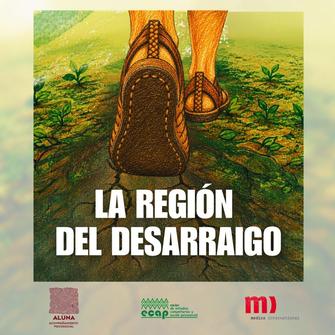
The Region of Uprooting

Apple Podcasts 2 Sep 2026 Spanish

The podcast explores forced human mobility caused by sociopolitical violence in Mexico and Central America, including displacement, exile, and statelessness. Episodes examine how repression in Nicaragua drives exile, land dispossession affects Indigenous communities in Guatemala, and criminal violence contributes to internal displacement in Mexico. Journalists, psychologists, and community advocates discuss the causes and strategies of control, the experiences of displaced people, and ways communities resist and cope.
Forced Displacement Exile and Statelessness Political Violence Mental Health Indigenous Land Rights Mexico Nicaragua Guatemala Aluna Acompañamiento Psicosocial Ortega-Murillo regime Equipo de Estudios Comunitarios y Acción Psicosocial Observatorio de Seguridad Humana de Apatzingán
Reporting styleInformative

Primarily explanatory and analytical, while using critical language about political violence and forced displacement.

Political contextCentre-left

The description takes a human-rights-focused, critical stance toward state repression and political violence.
Era of terror in the U.S.: Stories behind the “voluntary return”

Milenio 22 Feb 2026 Spanish

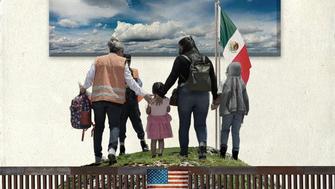
Immigrant communities in the United States face increasing persecution following the implementation of aggressive immigration policies under Donald Trump, prompting many families to flee to Mexico through formal deportations or so‑called voluntary returns. Testimonies from returnees such as Luis Valentan and the Saldivar family describe racial profiling, heightened enforcement operations, and fear of detention. Despite U.S. programs like CBP Home that claim to facilitate self‑deportation, reports indicate unfulfilled promises and significant risks. In Mexico, returning migrants struggle with inconsistent government support, bureaucratic complications, and inadequate data systems that hinder effective policy responses. Migrant advocacy organizations step in to guide families through documentation, access to services, and reintegration. The experiences of returnees underscore the emotional toll of displacement and the ongoing challenges of rebuilding their lives amid uncertainty, limited opportunities, and evolving conditions in both countries.

U.S. immigration policy Forced migration Deportations Autodeportation programs United States Mexico El Salvador ICE Department of Homeland Security (DHS) Embassy of the United States in Mexico Promise Arizona Red Nacional de Organización de Jornaleros
Reporting styleInterpretive

The text includes factual reporting but carries strong subjective elements, personal testimonies, political critique, and emotional framing.

Political contextLeft

The article is highly critical of U.S. Republican immigration policies under Donald Trump and highlights the struggles of migrant communities, aligning with left-leaning perspectives on immigration and social justice.

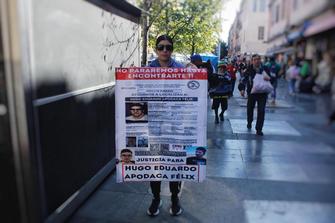
Ajusco: disappearances and fear in the south of Mexico City

Milenio 18 Jan 2026 Spanish

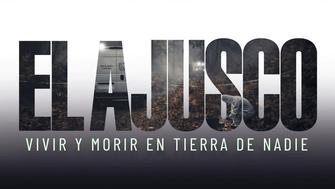
Disappearances in the Ajusco region of southern Mexico City have increased, with at least 103 missing persons leaving traces that lead authorities to this mountainous area. Once considered a natural refuge, the region is now associated with criminal control and sites where human remains are found. Many of the victims are local youths, including Axel Daniel González Ramos, whose mother, a member of the collective Una luz en el Camino, highlights how long‑ignored cases are now resurfacing as part of a deepening crisis.

Disappearances in Mexico Organized crime Public safety Ajusco Mexico City Mexico Una luz en el Camino Axel Daniel González Ramos Daniela
Reporting styleBalanced

Mix of factual reporting on disappearances with emotional and subjective descriptions of fear and crisis.

Political contextLeft

Focus on human rights, enforced disappearances, and state inaction

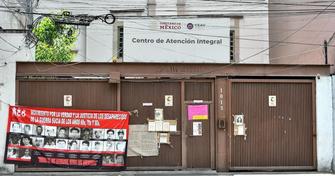
Victims of Mexico’s Dirty War Maintain Occupation of CEAV Offices

PopLab 13 Aug 2025 Spanish

Families and survivors of Mexico’s Dirty War continue a month‑long occupation of the CEAV’s Integral Attention Center in Mexico City, protesting unmet commitments to provide long‑delayed financial assistance. Many of the victims, largely elderly, have spent decades seeking truth, justice, and state support while dealing with the deaths of relatives and the worsening effects of impunity. The collective argues that CEAV and government officials failed to honor a 2022 agreement to resolve 19 aid cases, prompting the occupation after years of protests, meetings, and stalled procedures. Internal government disputes, controversial statements by military leadership, and limited progress by the state commission investigating past abuses have deepened mistrust. Despite limited resources, the group maintains the protest, organizing communal work and fundraising as they await a substantive response from federal authorities.

Human Rights Mexico’s Dirty War Victims’ Protests Government Accountability Guerrero Mexico City Mexico Comisión Ejecutiva de Atención a Víctimas (CEAV) Movimiento por la Verdad y la Justicia de los Desaparecidos de la Guerra Sucia Comisión Interamericana de Derechos Humanos (CIDH) Secretaría de Gobernación (Segob) Comisión para el Acceso a la Verdad, el Esclarecimiento Histórico y el Impulso a la Justicia
Reporting styleInformative

Primarily factual reporting, though includes subjective testimonies and emotional narratives from victims.

Political contextCentre-left

Focuses on human rights advocacy, government accountability, and criticism of state negligence toward victims.

CdMx: Searcher Mothers Map Mountain

Milenio 14 Jul 2025 Spanish

In the Ajusco region of Mexico City, searcher mothers, led by María del Carmen Volante, continue their efforts to locate missing persons, including her daughter Pamela Gallardo Volante, who disappeared in 2017. Despite the establishment of specialized search commissions and increased media attention, disappearances persist, with recent cases like Ana Amelí García Gámez highlighting ongoing challenges. The article details the grassroots efforts of these mothers, who have formed collectives and utilized community-based strategies to identify potential burial sites, such as the Llano de Vidrio, known for clandestine graves. The narrative underscores the emotional toll on families and the perceived inadequacies of official responses, while also acknowledging the resilience and determination of those involved in the search efforts.

Disappearances Search Efforts Crime Ajusco Mexico City State of Mexico Grupo de Acción por los Derechos Humanos y la Justicia Social Fiscalía Especializada en la Búsqueda, Localización e Investigación de Personas Desaparecidas Comisión de Búsqueda de Personas María del Carmen Volante Pamela Gallardo Volante Ana Amelí García Gámez
Reporting styleInterpretive

The article contains subjective statements and personal narratives, particularly from the mothers involved in the search efforts.

Political contextCentre

The article discusses government actions and policies related to disappearances without a clear political bias.

The Northern Zone of Baja California Sur, Focus of Disappearances and Murders

A dónde van los desaparecidos 27 May 2025 Spanish

The article highlights the alarming increase in disappearances and murders in the northern region of Baja California Sur, attributed to cartel violence, particularly involving the Cártel de Sinaloa. Families of victims, frustrated by the lack of action from local authorities, have taken their demands for justice to Mexico City. The article details the personal stories of those affected, the challenges they face in seeking justice, and the alleged complicity of local authorities with criminal groups. Despite some efforts to address the issue, such as sending additional security forces, the problem persists, with families and activists calling for more effective government intervention.

Disappearances Murders Cartel Violence Baja California Sur Baja California Mexico Cártel de Sinaloa Procuraduría General de Justicia del Estado (PGJE) Fiscalía General del Estado (FGE) Beatriz Martínez Ángel de Jesús Navarrete Martínez Bernardo Soriano Castro
Reporting styleInterpretive

The article contains subjective statements and personal accounts, indicating a mix of opinion and fact.

Political contextCentre-left

The article discusses social justice issues and criticizes government inaction.

Death cafés: A new way to openly talk about death

Milenio 25 May 2025 Spanish

Death cafés provide a unique space for individuals to discuss death openly, breaking societal taboos. Originating in Europe, these gatherings have spread globally, including in Mexico, where they offer a platform for conversations about end-of-life rights, euthanasia, and palliative care. Facilitators Tatiana Pineda Restrepo and Silvia García Castañeda emphasize the importance of these discussions in a society where death is often avoided. The article highlights the role of death cafés in fostering dialogue and understanding about death, life, and the rights associated with end-of-life decisions.

Death Social Movements End-of-Life Care Mexico Colombia Ecuador Death Café Grupo de Información en Reproducción Elegida Fundación CIMA Tatiana Pineda Restrepo Silvia García Castañeda Bernard Crettaz
Reporting styleBalanced

The article presents a mix of factual information and subjective reflections on death cafés.

Political contextCentre-left

The article discusses social issues like end-of-life rights and euthanasia, reflecting progressive views.

Die Better. The Boom of End-of-Life Companions

Apple Podcasts 30 Apr 2025 Spanish

End-of-life doulas, similar to birth doulas, have gained prominence during the pandemic, emphasizing the importance of companionship at life's end. The creation of the Red Latinoamericana de Acompañamiento en Muerte y Duelo in Latin America underscores the growing recognition of this role, especially in a region facing aging populations and social inequalities. Celia Guerrero explores the origins and significance of these doulas in providing support and dignity in death.

End-of-Life Care Pandemic Impact Social Inequality Latin America Red Latinoamericana de Acompañamiento en Muerte y Duelo Celia Guerrero
Reporting styleBalanced

Balanced discussion on the role of end-of-life doulas.

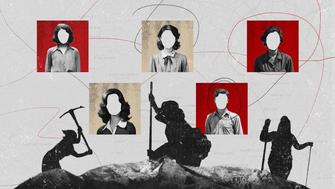
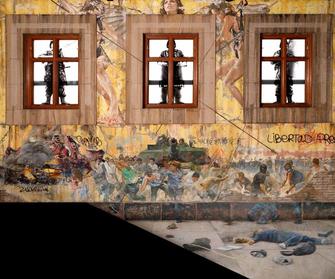
They expand the map of political violence during the 'dirty war'

A dónde van los desaparecidos 16 Aug 2024 Spanish

The article discusses the findings of the Mecanismo para la Verdad y el Esclarecimiento Histórico, which documents state-led political violence during Mexico's 'dirty war' from 1965 to 1990. The report reveals the extent of repression against various groups, including political dissidents, indigenous communities, and others deemed dangerous by the state. It highlights the continuation of these repressive practices in modern times, particularly in the context of organized crime. The report's release has been marked by internal conflicts among commissioners and challenges in accessing military archives, underscoring the ongoing struggle for historical truth and justice in Mexico.

Political Violence Historical Investigation Human Rights Violations Mexico Guerrero Chiapas Mecanismo para la Verdad y el Esclarecimiento Histórico Secretaría de Gobernación Ejército Comisión para el Acceso a la Verdad Abel Barrera Hernández David Fernández Dávalos
Reporting styleBalanced

The article presents a mix of factual reporting and subjective interpretation, particularly in the analysis of historical events and the implications of the findings.

Political contextLeft

The article focuses on state violence and human rights violations, often associated with leftist perspectives.

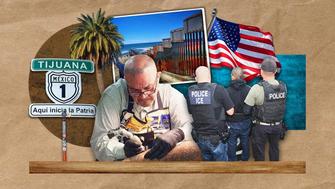
Deportations in the Trump Era: A Tattoo Artist Transforms His Stories

Milenio 1 Jan 2024 Spanish

José Arce, a Mexican tattoo artist known as Spanky, was deported from the U.S. and now documents his life in Tijuana through social media, advocating for deported individuals. His initiative, Deported Life, highlights the challenges and opportunities for deportees in Mexico, emphasizing community support and resilience. Amidst increased deportations under Trump's second term, Arce collaborates with organizations like Al Otro Lado and New Beginnings to aid deportees. The Mexican government, under President Claudia Sheinbaum, launched the 'Mexico te abraza' plan to support repatriated individuals, though challenges remain in integrating deportees into society.

Deportation Immigration Community Support Tijuana Los Angeles Mexico ICE Al Otro Lado New Beginnings José Arce Donald Trump Claudia Sheinbaum
Reporting styleInterpretive

The article contains subjective statements and personal reflections, particularly from José Arce, about deportation and life in Mexico.

Political contextLeft

The article criticizes deportation policies and highlights community support for deported individuals.

Sign up free to see all 21

Other journalists in Mexico City

View all journalists in Mexico City
Hire Message
×

Sign up to message Celia

Already have an account? Log in
Looking for work? Register as a Journalist
Verify your email to complete registration
We’ve just sent an email to . Please check your inbox and click the link to verify your email address and complete your registration. If you don’t see the email, be sure to check your spam or junk folder.
Didn’t receive the email?

Sign up to unlock profiles

Already have an account? Log in
Looking for work? Register as a Journalist
Verify your email to complete registration
We’ve just sent an email to . Please check your inbox and click the link to verify your email address and complete your registration. If you don’t see the email, be sure to check your spam or junk folder.
Didn’t receive the email?