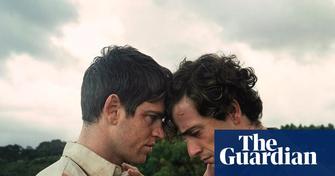
‘His voice was too queer – so they silenced him’: how Spain’s national poet Lorca finally became a gay icon
Federico García Lorca’s homosexuality was suppressed for decades after his 1936 execution by Francoist forces, with his family and literary circles often avoiding the subject. Recent works and popular culture—including the film La Bola Negra, Ian Gibson’s biographies, and queer performances and publishing—are bringing Lorca’s sexuality and legacy to wider attention. This renewed interest resonates amid Spain’s political tensions: Prime Minister Pedro Sánchez has invoked Lorca in support of inclusion, while the conservative People’s Party and far-right Vox are reported to oppose LGBTQ+ protections. Artists and audiences see recognition of Lorca’s queer life and art as a way to confront historical silence and resist a return to repression.
Reporting styleInformative
Mostly reported feature writing, with attributed personal views and some evocative framing.
Political contextCentre-left
The piece is broadly sympathetic to LGBTQ+ rights and Sánchez’s progressive framing, while presenting the issue primarily through reported perspectives.