Hire journalists

Publishers & Broadcasters Content Marketing Teams PR & Comms Teams Risk & Intelligence Teams Find journalists Media Monitoring Pricing

For journalists

Journalism jobs Pay rates Create your free profile

About Charli

Languages
English
Seen in
Thecanary The Unwritten Digital Spy Vice Metro The Independent The i Paper Thelead

Work 13

Causing Autistic Children Distress Cannot Be Normalised

The Canary 5 May 2026 English

Charli Clement argues that discouraging autistic children from using sensory aids such as ear defenders risks normalising distress and trauma. Responding to a Times interview with Limpsfield Grange headteacher Sarah Wild, Clement says autistic people often experience sensory input continuously rather than filtering it into the background, making sensory tools important for preventing overload, meltdowns and shutdowns. The piece distinguishes ordinary discomfort that can support development from distress that is unnecessary and potentially traumatic, and argues that autistic people should not bear the whole burden of adapting to neurotypical expectations. Although Wild reportedly rejects a blanket ban on ear defenders and expresses some positive ideas, Clement says the interview’s framing overlooks pressures and resource shortages in mainstream schools. The article concludes that education systems should provide meaningful accommodations rather than expect autistic young people to mask or assimilate.

Autism Sensory accommodations Education Neurodiversity Disability rights United Kingdom Limpsfield Grange School Charli Clement Sarah Wild Richard Tice Damian Milton The Times
Reporting styleOpinionated

Strongly opinionated advocacy piece arguing that denying autistic children sensory supports normalises distress and trauma.

Political contextLeft

The article frames the issue as a consequence of neoliberalism and systemic ableism, and advocates social adaptation and stronger support for autistic people.
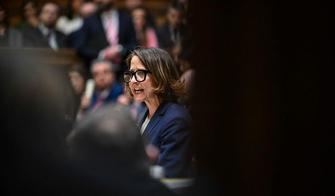
Make no mistake: disability benefit cuts are a feminist issue

The Canary 6 Apr 2025 English

The article argues that disability benefit cuts by the Department for Work and Pensions disproportionately affect disabled women and marginalized genders, exacerbating poverty and limiting independence. It highlights the role of women as primary caregivers and the economic impact of unpaid care, comparing it to the NHS budget. The cuts are criticized for undermining gender equality and increasing vulnerability to domestic and economic abuse. The article calls for an intersectional understanding of the issue, emphasizing the compounded effects on disabled women of color and urging feminist and gender equality advocates to oppose the cuts.

Disability Benefit Cuts Feminism Gender Equality United Kingdom Department for Work and Pensions Centre for Care NHS Reeves Personal Independence Payment Carer’s Allowance
Reporting styleInterpretive

The article presents a strong opinion against the disability benefit cuts, emphasizing their negative impact on women and marginalized genders.

Political contextLeft

The article criticizes government policies and advocates for gender equality and social justice.

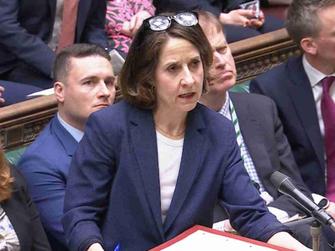
Demonising disabled people is not a moral duty

The Lead 19 Mar 2025 English

The article criticizes the current political rhetoric and reforms in the UK, particularly under the Labour party, for dehumanizing disabled people and focusing excessively on employment. It highlights the challenges faced by disabled individuals, including the difficulty in obtaining necessary benefits like PIP and Universal Credit, and the lack of support from the state. The author argues that these policies ignore the realities of living with disabilities and could lead to increased poverty and exclusion from society. The piece calls for a more compassionate approach that acknowledges the diverse needs of disabled people and provides adequate support.

Disability Rights Social Welfare UK Politics United Kingdom Conservatives Labour NHS Liz Kendall Esther McVey Charli Clement PIP Universal Credit
Reporting styleOpinionated

The article is highly opinionated, expressing strong personal views on the treatment of disabled people by political parties.

Political contextLeft

The article criticizes both Conservative and Labour parties, but focuses on social welfare and disability rights, aligning with leftist views.

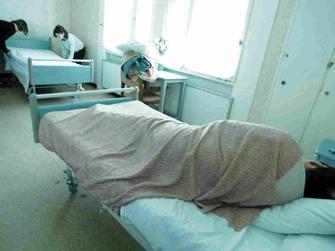
Labour’s Mental Health Act reforms will not go far enough towards dignity or real support

The Canary 7 Nov 2024 English

The article critiques the proposed reforms to the 1983 Mental Health Act, arguing that while some changes are positive, they do not go far enough to address the needs of Autistic individuals and those with learning disabilities. It highlights the inadequacies in community support and the continued reliance on inappropriate psychiatric settings, which often result in trauma and inadequate care. The piece calls for a more significant commitment to funding and structural changes to ensure dignity and human rights for psychiatric patients and survivors, emphasizing the need for preventative care and long-term community support.

Mental Health Act Reforms Autism Learning Disabilities England UK National Autistic Society NHS Digital Mencap Department of Health and Social Care NHS Jon Sparkes Claire Murdoch
Reporting styleInterpretive

The article presents a critical perspective on the Mental Health Act reforms, highlighting perceived shortcomings and areas needing improvement.

Political contextLeft

The article critiques government reforms and advocates for more comprehensive support for marginalized communities.

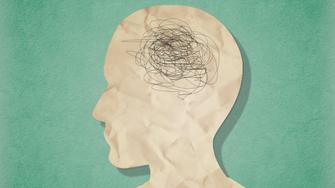
Professionals who downplay ADHD are making life unbearable for people like me

iNews 1 Oct 2023 English

The author, Charli Clement, shares their personal journey with ADHD, criticizing professionals like Phillipa Perry and Lee Anderson for downplaying the condition. Clement argues that such rhetoric is harmful and discourages people from seeking necessary help. They highlight the challenges of living with ADHD, including misdiagnosis and the bureaucratic hurdles in obtaining support. The piece emphasizes the importance of empathy and understanding towards those with ADHD, advocating for better recognition and support for the condition.

ADHD Mental Health Public Perception United Kingdom ADHD UK Phillipa Perry Lee Anderson Charli Clement Jessica Kingsley Publishers All Tangled Up in Autism and Chronic Illness
Reporting styleOpinionated

Complete opinion piece discussing personal experiences and societal views on ADHD.

Political contextLeft

Advocates for better understanding and support for ADHD, criticizing dismissive attitudes.

Jo's ADHD storyline is so important

Digital Spy 10 Jan 2023 English

The revamped Waterloo Road series on BBC introduces a significant storyline featuring Kelly-Jo Rafferty, a student with undiagnosed ADHD. The narrative explores her struggles with attention, impulsivity, and sensory processing, aiming to enhance understanding and representation of neurodiversity in schools. The storyline highlights the challenges faced by neurodivergent individuals, particularly girls and women of color, in receiving proper diagnosis and support. The text underscores the potential for the show to change attitudes and improve knowledge about neurodiversity, contingent on the writers' continued focus on these themes.

ADHD Neurodiversity Television UK BBC Kelly-Jo Rafferty Alicia Forde Joe Casey Miss Spratt Kim Campbell Samia Waterloo Road
Reporting styleInterpretive

The text contains a mix of subjective statements and factual information, with a focus on the importance of representation and potential impact.

Wednesday's neurodivergent coding is both good and bad

Digital Spy 13 Dec 2022 English

The article discusses the representation of neurodivergent traits in the Netflix show 'Wednesday,' highlighting both positive and negative aspects. It explores how the character Wednesday exhibits traits commonly associated with autism and other neurodivergent conditions, and how these traits are received by society. While the character's portrayal can foster acceptance and relatability, the lack of explicit confirmation of her neurodivergence can perpetuate stigma and misunderstanding. The article calls for proper representation of neurodivergent individuals in media, emphasizing the need for confirmed and authentic portrayals to promote wider acceptance and understanding.

Neurodivergence Media Representation Autism Tim Burton Netflix TikTok Wednesday
Reporting styleInterpretive

The article contains a mix of subjective statements and personal beliefs about the representation of neurodivergence in media.

Why Heartbreak High's autistic queer representation is so groundbreaking

Digital Spy 22 Sep 2022 English

Netflix's 'Heartbreak High' reboot features Quinni, an autistic, queer woman played by autistic advocate Chloe Hayden, offering groundbreaking representation for marginalized communities. The show explores the intersection of autism and LGBTQ+ identities, a rarity in media. It addresses the challenges autistic individuals face in relationships and society's lack of understanding and acceptance. The series portrays the highs and lows of Quinni's high school experiences, including her relationship with Sasha So, navigating identity, queerness, and disability. The show challenges mainstream media's typical cisgender, heterosexual male-centric autism representation, providing a more genuine, intersectional depiction.

Television Diversity LGBTQ+ Autism Representation Australia Netflix Chloe Hayden Quinni Sasha So Darren Rivers James Majoos Gemma Chua-Tran
Reporting styleInformative

The article provides analysis and commentary on the representation in the show, but includes factual descriptions of the show's content and characters.

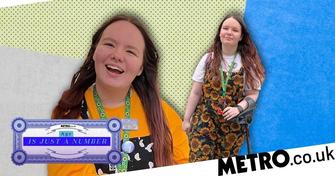
I started using a walking stick at 16 – I’m not ‘too young’ to be disabled

Metro 1 Aug 2022 English

The author recounts their experiences as a young person with chronic illness using a mobility aid, facing societal misconceptions and stigmatization. Symptoms began at age 10, leading to the use of a walking stick at 16. Despite challenges, the author found empowerment in using the aid. The article highlights the lack of understanding about young people with disabilities and the stigma attached to mobility aids. The author advocates for respect and privacy for mobility aid users and emphasizes the importance of choice in discussing one's disability.

Disability Awareness Personal Narrative United Kingdom Scope
Reporting styleBalanced

Personal narrative with subjective experiences

ADHD is no excuse for Jacques O’Neill’s behaviour on Love Island

The Independent 11 Jul 2022 English

Jacques O’Neill's behavior on Love Island, particularly his treatment of Paige Thorne, has been criticized as misogynistic and manipulative. His ADHD diagnosis, revealed by his Instagram handlers, has sparked debate about whether it excuses his actions. The article argues that while ADHD can explain some impulsive behaviors, it does not justify disrespectful or degrading actions. The revelation of his ADHD is seen as potentially harmful to neurodivergent people, as it may be perceived as an excuse for bad behavior. The article emphasizes the importance of not stigmatizing ADHD while holding individuals accountable for their actions.

Reality TV Mental Health Social Issues United Kingdom Jacques O’Neill Paige Thorne Niall Aslam Tasha Ghouri Ekin-Su Culculoglu Cheyanne Kerr
Reporting styleInterpretive

The article contains a mix of subjective statements and factual information, leaning towards opinion.

See all 13 pieces of work with a free account

Hire Message
×

Sign up to message Charli

Already have an account? Log in
Looking for work? Register as a Journalist
Verify your email to complete registration
We’ve just sent an email to . Please check your inbox and click the link to verify your email address and complete your registration. If you don’t see the email, be sure to check your spam or junk folder.
Didn’t receive the email?

Sign up to unlock profiles

Already have an account? Log in
Looking for work? Register as a Journalist
Verify your email to complete registration
We’ve just sent an email to . Please check your inbox and click the link to verify your email address and complete your registration. If you don’t see the email, be sure to check your spam or junk folder.
Didn’t receive the email?