Hire journalists

Publishers & Broadcasters Content Marketing Teams PR & Comms Teams Risk & Intelligence Teams Find journalists Media Monitoring Pricing

For journalists

Journalism jobs Pay rates Create your free profile

About Christian

Christian Burgos Gallardo is a journalist based in Cochabamba, Bolivia. Trained to work on issues of politics, economics, environment, climate change, cultural, medical, science, technology and other topics.

Languages
Spanish
Seen in
Los Tiempos

Work 8

Hyperimmune plasma: a treatment against coronavirus that gives hope in Bolivia but is conditioned on donation

Lostiempos 30 May 2020 Spanish

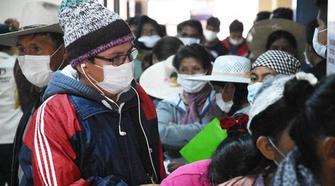
In Bolivia, the use of hyperimmune plasma is seen as a promising treatment for COVID-19, following government approval for its use in certain cases. The plasma, which is extracted from recovered patients, has shown positive results in reducing mortality in previous outbreaks and is now being used experimentally for COVID-19. However, the treatment is not without controversy, as some recovered patients, like the fictitious Claudio, feel they should be compensated for their plasma donations, raising concerns about potential black markets. The Ministry of Health mandates that plasma extraction be performed by trained personnel and that the process, including donor selection and plasma handling, adhere to strict protocols. The government ensures donor confidentiality and upholds the principles of altruism and unpaid donation. While not a cure, hyperimmune plasma is considered an effective therapy that can save lives, especially when administered early in the disease's progression.

Health & Fitness Medical COVID-19 Bolivia Ministry of Health of Bolivia World Health Organization Claudio (fictitious name) Juan Saavedra

Bolivia faces the urgency of acquiring thousands of tests and overcoming medical shortages to contain COVID-19

Lostiempos 28 Mar 2020 Spanish

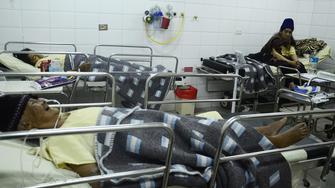
Bolivia's deficient healthcare system is struggling with the COVID-19 pandemic, facing a shortage of tests and medical supplies. The country confirmed its first death due to the pandemic, a 78-year-old woman in Santa Cruz. The World Health Organization's representative in Bolivia, Alfonso Tenorio, emphasized the importance of testing for controlling the spread. Bolivia's testing information is scarce, and the Ministry of Health has not provided clear answers. The country has a few laboratories with testing capabilities, and the government has authorized additional labs to conduct molecular diagnostics. Bolivia has about 2,700 test reagents, with more than 300 used and plans to acquire 20,000 more, plus a potential 340,000 in the next two months. The healthcare system is also facing a critical shortage of intensive care units, with only 252 beds and 35 intensive care units available, which is insufficient for the projected number of cases.

COVID-19 Healthcare System Pandemic Response Bolivia Santa Cruz Latin America World Health Organization Ministry of Health of Bolivia Cenetrop Alfonso Tenorio Isabel Méndez Aníbal Cruz

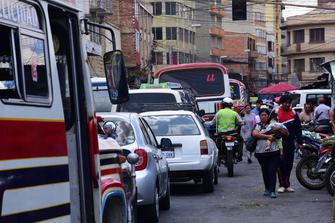
Public transport, a business in the hands of a few who accumulate money and power

Lostiempos 28 Jun 2019 Spanish

Public transportation in Cochabamba, Bolivia, has become a lucrative business for a few owners, while the majority of drivers earn minimal profits. The average monthly income of a successful entrepreneur with three vehicles can exceed 21,000 Bolivianos, not accounting for maintenance costs. The sector is marked by power structures, irregularities, labor exploitation, and lack of coordination. Despite the introduction of alternative transport like the Teleférico and Pumakatari in La Paz, minibuses remain essential. Drivers work for 'patrons' who own multiple vehicles and diversify into other business areas. The cost to join a transport line can range from 10 to 15 thousand dollars for the most coveted routes. Transport syndicates manage these fees autonomously, claiming to invest in social headquarters and benefits for members, but drivers call for more transparency and regulation. The urban transport system's organization hinders the development of modern alternatives, leading to inefficient service and poor treatment of users. The article suggests that the current system prevents the progress of cities like Cochabamba, which is reflected in daily traffic chaos and the lack of significant transformation in public transportation.

Public Transport Urban Development Economic Issues Cochabamba La Paz Santa Cruz Federación del Transporte Libre de Cochabamba Federación de Transporte de Trufis Santa Cruz (Fedetracruz) Alcaldía de Cercado Carlos Marcos Aldo Terrazas

The SUS starts weak and proves unsustainable in the face of Bolivia's health reality

Lostiempos 10 Jan 2019 Spanish

The Unified Health System (SUS) in Bolivia has begun with the registration of citizens, aiming to be operational by March, despite concerns about its sustainability and lack of specific legislation. With a budget of $200 million, the SUS is criticized for being an electoral promise by the Movement for Socialism (MAS) and for not addressing the public health system's fragmentation and resource deficiencies. The World Health Organization (WHO) outlines standards for universal health coverage, which Bolivia's current system does not meet, as evidenced by the overwhelmed hospitals and insufficient medical staff. The government claims to have increased the health budget significantly since 2005 and has plans for new hospitals, but progress has been slow and marred by failures.

Healthcare System Government Policy Bolivia Cochabamba La Paz Sistema Único de Salud (SUS) Movimiento Al Socialismo (MAS) World Health Organization (WHO) Evo Morales Álvaro García Linera Carlos Nava

HIV: The reality of thousands of people amid outdated health policies

Lostiempos 29 Nov 2018 Spanish

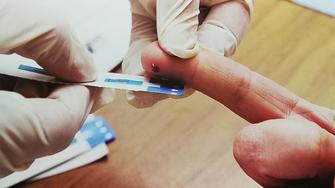
The article discusses the challenges faced by people living with HIV in Bolivia, highlighting the story of a 29-year-old woman named Marta who, after being diagnosed with HIV and becoming pregnant, faced family rejection and decided to move to Chile for a better life. The Bolivian health system is criticized for its inadequacy in handling HIV, with only 85% of people with HIV aware of their status, 40% receiving treatment, and just 20% maintaining undetectable levels of the virus. The article also touches on the increase in new HIV cases, particularly in Cochabamba, and the government's efforts to decentralize treatment. Additionally, it addresses the broader issue of sexually transmitted diseases in Bolivia and the social stigma and discrimination faced by those living with HIV.

Health & Fitness Medical Social Issues Bolivia Chile Cochabamba Servicio Departamental de Salud (Sedes) ONU-SIDA Instituto para el Desarrollo Humano Asociación de Municipios de Cochabamba (Amdeco) Dirección departamental de Educación (DDE) Colegio Médico

Objections, commercialization, and mandatory service: the challenges to Bolivian military service

Lostiempos 23 Aug 2018 Spanish

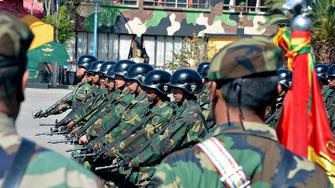
The Bolivian military service is facing criticism for its mandatory nature, high costs, and perceived lack of contribution to youth development. Despite Bolivia's pacifist stance, the service remains compulsory, raising human rights concerns. Citizens and experts suggest a shift towards voluntary service. Cases of conscientious objection have emerged, challenging the state's stance. The Inter-American Commission on Human Rights is involved in a case against Bolivia for violating the right to conscientious objection. The debate continues as society questions the ideological implications of mandatory service in a modern, pacifist Bolivia.

Military Service Human Rights Bolivian Society Bolivia Cochabamba Ministry of Defense of Bolivia Inter-American Commission on Human Rights (CIDH) Bolivian Armed Forces Javier (fictitious name) Santiago Lara Carlos Maldonado Alfredo Díaz Bustos

Bureaucratic Culture: The Obstacles and the Urgency of a Digital Citizenship

Lostiempos 4 Jul 2018 Spanish

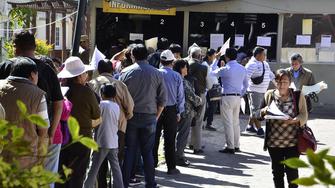
Citizens in Cochabamba, Bolivia, face significant bureaucratic hurdles in obtaining government services such as ID cards, driver's licenses, and passports. Long lines, lack of information, and limited service slots lead to frustration and wasted time. The Servicio General de Identificación Personal (Segip) is criticized for inefficiency, while the Dirección General de Migración's limited daily passport slots exacerbate the issue. The government's proposed solution is a digital citizenship system to streamline processes, but concerns about data privacy and the digital divide persist. The Agencia de Gobierno Electrónico y Tecnologías de Información y Comunicación (Agetic) is tasked with implementing the digital systems, but the lack of a personal data protection law raises concerns. The article highlights the need for digital literacy among public officials and citizens to ensure the success of the digital transition.

Bureaucracy Digital Citizenship Government Services Cochabamba Bolivia Latin America Dirección General de Migración Servicio General de Identificación Personal (Segip) Agencia de Gobierno Electrónico y Tecnologías de Información y Comunicación (Agetic) Jorge Isabel Guido Díaz

Cochabamba contaminada clama un respiro de aire limpio

Lostiempos 2 Oct 2017 Spanish

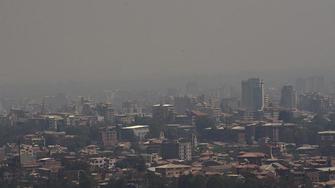
El artículo aborda la grave situación de contaminación del aire en Cochabamba, Bolivia, identificada como la ciudad más contaminada del país. La topografía de la región contribuye a la concentración de contaminantes, exacerbada por las emisiones de gases de los vehículos y la falta de políticas ambientales efectivas. La Organización Mundial de la Salud ha señalado a Cochabamba como una de las ciudades más contaminadas en su estudio global. Los efectos en la salud de los habitantes son significativos, incluyendo problemas respiratorios y enfermedades crónicas como cardiacas y pulmonares. Alaín Terán, de la Red de Monitoreo de la Calidad del Aire en Cochabamba, destaca que el 90% de la contaminación proviene del parque automotor.

Environmental Pollution Public Health Bolivia Organización Mundial de la Salud

Other journalists in Cochabamba

Hire Message
×

Sign up to message Christian

Already have an account? Log in
Looking for work? Register as a Journalist
Verify your email to complete registration
We’ve just sent an email to . Please check your inbox and click the link to verify your email address and complete your registration. If you don’t see the email, be sure to check your spam or junk folder.
Didn’t receive the email?

Sign up to unlock profiles

Already have an account? Log in
Looking for work? Register as a Journalist
Verify your email to complete registration
We’ve just sent an email to . Please check your inbox and click the link to verify your email address and complete your registration. If you don’t see the email, be sure to check your spam or junk folder.
Didn’t receive the email?