İnsan hakları ve uluslararası haberlerle ilgilenen gazeteci.
2014'te Kiev ve Kırım'dan Ukrayna krizinin haberleştirilmesi.
Ürdün'deki Suriye ve Filistin mülteci kamplarının koşullarının haberleştirilmesi.
Türkiye'nin güneydoğusunda Kürtlere yönelik insan hakları ihlallerine ilişkin araştırma.
Yunan mülteci kampı Idomeni'den Feature Photo haberciliği.
Portföy: ****
ForbesNewarabInshallahMiddle East EyeLaw.comDeutsche WelleForeign PolicyFinanceAl-MonitorOur Community NowVice
Çalışmalar 196
Trump expects new Iran talks despite rejecting deal offer
The New Arab27 Eyl 2026English
Donald Trump said he expects US-Iran negotiations to resume in the coming week, while rejecting Tehran's proposal for a seven-day truce followed by reopening the Strait of Hormuz. Iran says passage depends on meeting its conditions, which include a broader halt to regional hostilities and concessions involving sanctions, frozen assets and the US naval blockade. US ambassador to the UN Mike Waltz called the proposal unacceptable, while reports said indirect talks could begin as soon as Monday. The standoff continues alongside fighting in Yemen, and Iran's Revolutionary Guards said they seized a US underwater drone in the strait.
US-Iran relationsIran nuclear negotiationsStrait of HormuzMiddle East conflictCeasefire proposalIranUnited StatesUnited NationsIranian Revolutionary Guard CorpsIsraelQatarYemen
Haber tarzıBilgilendirici
Primarily factual reporting, with limited evaluative language and attributed claims from officials.
Görüş ağırlıklıOlgusal
Siyasi bağlamMerkez
Straight news coverage reports claims and positions from US and Iranian officials without clear partisan advocacy.
Aşırı solAşırı sağ
From insurgents to regional force: Why Yemen's Houthis are so difficult to fight
The New Arab24 Eyl 2026English
The Houthis have captured Mocha and advanced along Yemen’s western coast toward the Bab al-Mandeb, threatening a key global shipping route and intensifying regional tensions. Years of combat have developed the group from a guerrilla movement into a force using missiles, drones, coordinated ground assaults and information operations. Their opponents face fragmented command, rival Saudi- and UAE-backed factions, difficult terrain and limited external military support. Although the Houthis retain some autonomy, analysts say they rely on Iran for important weapons components and may use pressure on shipping and energy flows to advance both their own aims and Tehran’s regional leverage.
Houthi movementYemen conflictMilitary strategyRed Sea securityIran-Saudi Arabia tensionsInformation warfareYemenRed SeaSaudi ArabiaAnsar Allah (Houthis)Yemen's internationally recognised governmentUnited Arab Emirates
Haber tarzıBilgilendirici
Primarily reported analysis, with attributed expert assessments and some interpretive framing.
Görüş ağırlıklıOlgusal
Siyasi bağlamMerkez
Geopolitical analysis focused on military developments, competing interests and attributed expert views, without clear partisan advocacy.
Aşırı solAşırı sağ
JP Morgan admits it can't forecast end of Iran war due to Trump's flip-flopping
The New Arab19 Eyl 2026English
JPMorgan says it can no longer establish a baseline forecast for how or when the US-Iran war will end because assumptions about President Donald Trump’s limits and the conflict’s likely duration have failed. The closure of the Strait of Hormuz, which carries a significant share of global oil and gas, has disrupted exports and intensified market volatility despite alternative routes. Energy and geopolitical analysts say shifting US messaging and the lack of clear signals of de-escalation have widened the range of plausible outcomes and made investment planning harder.
Iran WarStrait of HormuzOil and Gas MarketsEconomic ForecastingUS Foreign PolicyIranUnited StatesUS governmentIranian governmentChatham HouseDonald TrumpJamie Brito
Haber tarzıBilgilendirici
Mostly factual reporting with analysis and quoted expert interpretations of the uncertainty.
Görüş ağırlıklıOlgusal
Siyasi bağlamMerkez
The report focuses on forecasting uncertainty and market consequences, presenting quoted analysis without advocating a political position.
Aşırı solAşırı sağ
How the Netherlands’ Cannabis Pilot Is Reshaping Coffeeshops’ Supply Chain
Forbes18 Eyl 2026English
A preliminary assessment of the Netherlands’ cannabis pilot found generally positive responses from municipalities, coffeeshops, growers, consumers, and nearby residents, alongside improved monitoring and transparency in the legal supply chain. Participating municipalities saw more varied product menus and declining cannabis-flower prices, while hash prices rose; coffeeshop attendance did not change significantly. The illicit market remains active, often competing with lower prices and larger quantities. Product shortages, regulatory uncertainty, tracking-system problems, and uncertainty about whether the pilot will continue are discouraging investment. A full assessment is expected in 2028 and will inform whether the experiment is expanded or made permanent.
Netherlands cannabis pilotLegal cannabis supply chainsCannabis regulationIllicit cannabis marketCoffeeshopsNetherlandsAmsterdamTrimbos InstituteBreuerIntravalRAND EuropeDutch Research and Data CentreMinistry of Justice and Security (Netherlands)
Haber tarzıBilgilendirici
Primarily reports research findings and stakeholder feedback, with limited evaluative framing.
Görüş ağırlıklıOlgusal
How China and Iran Used a Barter-Like System to Circumvent US Sanctions
The New Arab10 Eyl 2026English
Iran has reportedly used a barter-like mechanism, operating since at least 2021, to exchange oil for credits used to buy Chinese goods while avoiding direct international bank payments. Sources told Reuters that the system has financed medicines, vehicles, communications equipment, infrastructure and, on at least one occasion, air-defense equipment; they estimated $2 billion to $2.5 billion passed through a special-purpose vehicle over the past year. China has remained Iran’s dominant oil buyer, while the arrangement may help protect Chinese exporters and financial institutions from scrutiny and sanctions. Reuters could not independently verify key transactions or identify some entities involved, and the governments and companies largely declined to comment. US pressure has intensified amid conflict with Iran, but the effects of a naval blockade on the trade mechanism remain unclear.
US sanctionsChina-Iran relationsSanctions evasionOil tradeInternational financeArms tradeIranChinaUnited StatesGovernment of ChinaGovernment of IranUnited States government
Haber tarzıBilgilendirici
Primarily reported as factual, with attributed claims and analysis from sources.
Görüş ağırlıklıOlgusal
Siyasi bağlamMerkez
Straight news reporting presents attributed allegations, official responses, and expert analysis without taking a clear partisan position.
Massachusetts has recorded $10 billion in gross recreational cannabis sales since opening its legal market in 2018, but voters will decide on November 3 whether to pass Question 8 and repeal laws governing recreational sales, regulation, taxation, and home cultivation. The measure is backed by the Coalition for a Healthy Massachusetts, which cites public-health and safety concerns; legal challenges to its signatures were mostly rejected. If approved, recreational sales and home growing would be prohibited, though medical sales and limited possession would remain legal. The state’s adult-use industry includes 782 businesses and nearly 20,000 registered agents, and has generated $2 billion in state and local taxes. Polls generally show more voters opposing than supporting the ban, and passage would be an unprecedented repeal of recreational legalization by a U.S. state.
Cannabis legalizationMassachusetts Question 8Cannabis industryPublic healthMassachusettsUnited StatesMassachusetts Cannabis Control CommissionCoalition for a Healthy MassachusettsSAM ActionSmart Approaches to MarijuanaState Ballot Law CommissionUMass Amherst
Haber tarzıBilgilendirici
Mostly factual reporting on sales, ballot procedures, polling, and industry effects, with some emphasis on the possible consequences of repeal.
Görüş ağırlıklıOlgusal
Siyasi bağlamMerkez
Reports arguments for and against repeal, election procedures, polling, and potential effects without clearly endorsing a political position.
Aşırı solAşırı sağ
A US$24 Million Experiment Seeks to Discover How Cannabis Affects the Brain
Forbes Argentina7 Eyl 2026Spanish
Canada is investing US$24 million through the Canadian Institutes of Health Research to launch a national consortium of ten scientific teams studying cannabis and brain health. The research will examine mental health, sleep, prenatal exposure, and potential therapeutic applications for psychosis, PTSD, and epilepsy, with findings intended to inform healthcare and public policy. The initiative comes amid widespread cannabis use and a large regulated market since recreational legalization in 2018. Universities including Waterloo will contribute studies, while the article notes that legalization has also enabled a sharp increase in cannabis-related scientific research.
Cannabis ResearchBrain HealthMental HealthCannabis LegalizationMedical ResearchCanadaHealth CanadaCanadian Institutes of Health Research (CIHR)Canadian Consortium for Cannabis and Brain HealthUniversity of WaterlooMarjorie MichelPatricia Conrod
Haber tarzıBilgilendirici
Primarily factual reporting on research funding, study aims, and cannabis-market data, with limited evaluative framing.
Görüş ağırlıklıOlgusal
What We Do and Don’t Know About the U.S.-Iran Peace Deal
Foreign Policy15 Haz 2026English
The United States and Iran have reached a preliminary agreement intended to halt their war, reopen the Strait of Hormuz, and begin a 60‑day period of nuclear negotiations. Mediated by Pakistan and Qatar, the deal includes extending a cease-fire, lifting the U.S. naval blockade, and ending hostilities between Israel and Hezbollah, though key details remain unsettled. U.S. and Iranian officials differ on sequencing commitments such as asset releases and nuclear concessions, and Israel has openly rejected the agreement, complicating prospects for regional stability. Major challenges lie ahead in resolving nuclear issues and managing regional conflicts as both sides prepare for a formal signing ceremony in Geneva.
U.S.-Iran relationsMiddle East conflictPeace negotiationsNuclear diplomacyUnited StatesIranMiddle EastU.S. governmentIranian governmentIsraeli governmentHezbollahPakistan government
Haber tarzıBilgilendirici
Primarily factual reporting with limited interpretive commentary.
Görüş ağırlıklıOlgusal
Siyasi bağlamMerkez
Discusses geopolitical negotiations without advancing a partisan argument.
Aşırı solAşırı sağ
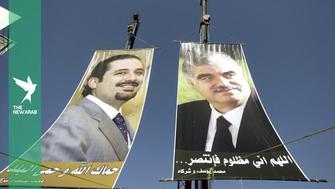
A political revival? Saad Hariri and the Future Movement
The New Arab23 Şub 2026English
Saad Hariri signaled a possible political comeback ahead of Lebanon’s planned May elections, four years after withdrawing from politics amid the country’s deep crises. His return depends on domestic calculations and shifting regional dynamics, particularly relations with Saudi Arabia and the UAE. While Hariri may test the waters indirectly before resuming direct leadership of the Future Movement, analysts note that he lacks the Saudi backing and financial resources historically essential for Sunni political consolidation. Fragmentation within Lebanon’s Sunni community presents both opportunity and risk, and without regional support and funding, any return is likely to have limited impact.
Lebanese politicsElectionsMiddle East regional dynamicsSunni leadership in LebanonLebanonSaudi ArabiaUnited Arab EmiratesFuture MovementHezbollahIsraeli governmentLebanese governmentInternational Crisis Group
Haber tarzıBilgilendirici
Primarily factual analysis with expert commentary and limited subjective interpretation
Görüş ağırlıklıOlgusal
Siyasi bağlamMerkez
Provides analytical, balanced coverage of Lebanese political dynamics without showing alignment to a particular ideological camp
Aşırı solAşırı sağ
Teens Who Use Cannabis Face Higher Risk Of Mental Disorders, Study Finds
Forbes23 Şub 2026English
Research involving more than 460,000 U.S. teenagers indicates that cannabis use is linked to a significantly higher risk of developing psychotic, bipolar, depressive, and possibly anxiety disorders, even after accounting for preexisting mental health conditions. The vulnerability appears heightened among younger teens due to ongoing brain development. Findings align with previous longitudinal studies from Canada and earlier systematic reviews showing increased risks tied to early cannabis use. Additional research suggests that setting the minimum age for cannabis consumption at 19 may reduce negative outcomes, although U.S. states uniformly set it at 21. Despite concerns about youth exposure following legalization, recent data show that teen cannabis use in the United States has fallen to its lowest level in more than three decades, with girls now reporting higher usage rates than boys.
Cannabis UseTeen Mental HealthMedical ResearchUnited StatesCanadaNorthern CaliforniaKaiser Permanente Health SystemJAMA Health ForumCannabis
Haber tarzıOlgusal
Primarily reports scientific findings and study results with minimal subjective interpretation.
Gizliliğinize saygı duyuyoruz ve temel işlevsellik sağlamak ve ziyaretinizi geliştirmek için sınırlı sayıda çerez kullanıyoruz. Üçüncü taraf reklam çerezi söz konusu değildir. Daha fazla ayrıntı için lütfen Çerez Politikamızı okuyun.