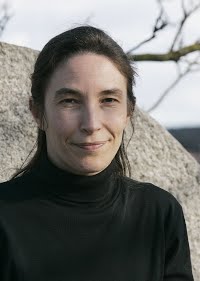
Watatakalu Yawalapiti: “I can support a president today, but not actions that will harm my life”
Watatakalu Yawalapiti, leader of women in Brazil’s Xingu Indigenous Territory, describes her early experience of patriarchal customs, including an arranged marriage, and her efforts to expand women’s participation in community decision-making. She links Indigenous cultural values and territorial protection to the climate crisis, citing changing rainfall, river conditions, wildlife patterns, heat and increasingly dangerous fires. She argues that wealthy countries and foreign consumers bear responsibility for financing forest protection and changing consumption habits, rather than relying only on carbon taxes or project funding. Although she acknowledges the importance of Indigenous land demarcation and Brazil’s Ministry of Indigenous Peoples, she says these advances resulted from years of Indigenous struggle and remain politically fragile. She supports dialogue with governments but rejects policies that damage Indigenous communities, citing the Belo Monte dam as an example of development that caused deforestation, displacement, poverty and social problems.
Style rédactionnelÉquilibré
A reported interview centered on the subject’s personal views and advocacy, with contextual factual reporting by the interviewer.
Contexte politiqueCentre gauche
The piece foregrounds Indigenous rights, environmental protection, gender equality and criticism of extractive development, while presenting political leaders and institutions with some nuance.