Ethiopia’s National Parks are Working for Wildlife – But not Always for the People Living Near Them
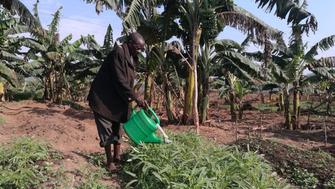
A national assessment finds that Ethiopia’s protected areas reduce forest loss, preserve grasslands, and safeguard threatened and endemic species, but often worsen food insecurity and living standards for nearby communities. Households within 10 kilometers of protected areas experienced just over one additional month of food shortage between 2011 and 2016, affecting an estimated 3.2 million households. Researchers argue that conservation goals, including the global target of protecting 30% of land by 2030, must prioritize improving existing protected areas, sharing conservation benefits, compensating affected communities, and coordinating with agricultural and development agencies. Examples such as the Yayu Coffee Biosphere Reserve show that conservation and local livelihoods can be compatible.
Reporting styleBalanced
Research-based analysis with evidence-led conclusions and advocacy for more equitable conservation policies.