Serbia and Srebrenica: From Loud Silence to Noisy Relativization
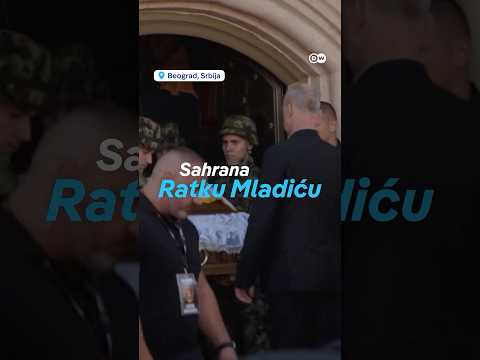
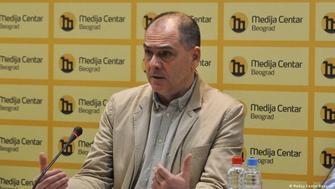
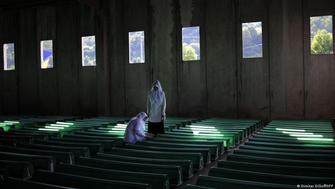
Serbian tabloids and pro-government media are described as increasingly relativizing or denying the Srebrenica genocide through selective reporting, victim-count disputes, nationalist messaging, and the glorification of convicted war criminals. The article traces this shift from media silence and denial during the 1990s to changing coverage after the Serbian Progressive Party came to power in 2012, and discusses the politicized response to the 2024 UN resolution establishing an international day of remembrance. Media scholar Snježana Milivojević argues that these narratives divert attention from Serbian responsibility, undermine critical media and institutions, and help sustain political myths. The article warns that murals, slogans, and public controversies over the past keep the legacy of the 1990s wars present in Serbian society.
Estilo periodísticoInformativo
Primarily reports and contextualizes media coverage and expert views, while using a critical frame toward genocide denial and political manipulation.
Contexto políticoCentroizquierda
Critically examines Serbian nationalist and government-aligned narratives, while focusing on media freedom, accountability, and recognition of the genocide.