Hire journalists

Publishers & Broadcasters Content Marketing Teams PR & Comms Teams Risk & Intelligence Teams Find journalists Media Monitoring Pricing

For journalists

Journalism jobs Pay rates Create your free profile

About Francesco

Francesco Martino is a journalist based in Sofia, Bulgaria. He has over 15 years of experience covering South-East Europe for outlets such as Osservatorio Balcani Caucaso – Transeuropa, Arte, RTS Slovenia, National Geographic, and Human TV. His work includes articles, TV reports, radio features, and in-depth analysis on politics, society, and culture across the Balkans. Alongside reporting, Francesco is a highly experienced fixer and producer, having supported RAI, Deutsche Welle, ARD, Al Jazeera, Arte, the Dutch and French public broadcasters, Swedish TV, La Stampa, Daily Mail, Politiken, and others. Multilingual and well-connected, he offers reliable reporting, production, translation, and logistical support for international media working in the region.

Languages
Italian English Bulgarian Croatian Serbian Macedonian Russian
Seen in
OBC Transeuropa Npo Al Jazeera Vice Editorialedomani

Work 34

Kosovo Serbs: Hope and Concern Over Belgrade’s New Government

Mr East 11 Nov 2026 English

Kosovo Serbs voted overwhelmingly for Aleksandar Vučić’s Serbian Progressive Party, despite the Student List’s victory in Serbia’s October 25 election. The article attributes this difference partly to Kosovo Serbs’ reliance on Serbian funding for salaries, pensions, health care and social services, as well as the SNS’s political influence. Student List representatives have pledged to maintain that support, while rejecting cooperation with Srpska Lista, which dominates Serbian representation in Kosovo’s institutions. During a visit to Kosovo, the Student List delegation said it would support the Serbian community and its institutions. The movement’s platform rejects Kosovo’s independence, while its lead candidate says it plans to continue EU-sponsored normalization talks but may review agreements it considers inconsistent with Serbia’s constitution.
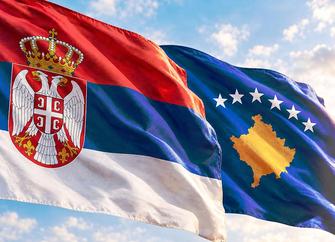
Kosovo Serbs Serbian Elections Kosovo-Serbia Relations Political Representation Government Funding Kosovo Serbia Pristina Student List Serbian Progressive Party (SNS) Srpska Lista Government of Serbia
Reporting styleInformative

Primarily factual reporting, with limited interpretive framing around the community’s hopes and concerns.

Political contextCentre

The article presents competing political positions and election results without clearly endorsing a side.
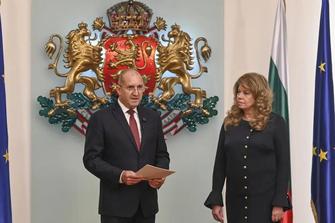

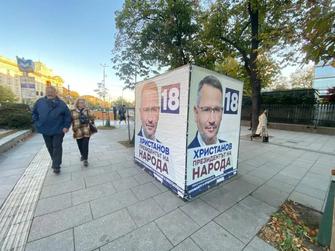
Bulgarian presidential election: Yotova wins, Radev celebrates

Osservatorio Balcani e Caucaso Transeuropa (OBCT) 2 Nov 2026 English

Iliyana Yotova won Bulgaria’s presidential runoff with nearly 58% of the vote, defeating reformist Andrey Gyurov and becoming the country’s first elected woman head of state. Her victory is a major endorsement of Prime Minister Rumen Radev and his Progressive Bulgaria party. The campaign focused on Bulgaria’s response to Russia’s invasion of Ukraine and a domestic contest between Progressive Bulgaria and established parties. Yotova and Radev favor resuming dialogue with Moscow and oppose sending weapons to Ukraine, while Gyurov’s camp accused them of serving Kremlin interests. Yotova also benefited from support in smaller towns and among older voters, while Gyurov was strongest among younger voters and in Sofia. Turnout remained low at 29.1%.

Bulgarian Presidential Election Bulgarian Politics Russia-Ukraine War Bulgaria-Russia Relations Voter Turnout and Demographics Bulgaria Black Sea Ukraine Progressive Bulgaria We Continue the Change GERB Bulgarian Socialist Party
Reporting styleBalanced

Mostly reported factually, with some interpretive framing about the election's political significance and campaign dynamics.

Political contextCentre

Straightforward election reporting that presents competing political positions without clear partisan advocacy.

Bulgaria's presidential election: record-low turnout and a tight race in the first round

Osservatorio Balcani e Caucaso Transeuropa (OBCT) 26 Oct 2026 English

Bulgaria's presidential election produced a record-low first-round turnout of 22.5%, with interim President Ilyana Yotova leading former caretaker prime minister Andrey Gyurov by less than three percentage points, 34.7% to 32%. The close result is a setback for Yotova and the ruling Progressive Bulgaria party, while nationalist candidate Konstadin Konstadinov finished third with 12.6%. Analysts and political figures point to voters' concerns about concentrated power, the government's ambiguous stance on Russia and the West, late-campaign controversies involving pardons, and the support of GERB voters for Gyurov. Voting patterns also reflected a socioeconomic divide: Gyurov led in Sofia, while Yotova was stronger in smaller municipalities. The 1 November runoff is expected to center on the country's geopolitical alignment and competing appeals for peace and closer ties with the Euro-Atlantic camp.

Bulgarian Presidential Election Election Turnout Political Campaigns Bulgaria's Geopolitical Alignment Russia-Ukraine War Bulgaria Sofia Black Sea Progressive Bulgaria We Continue the Change Vazrazhdane (Revival) GERB
Reporting styleBalanced

Mostly factual election reporting, with some interpretive analysis of voter motivations and campaign significance.

Political contextCentre

Straightforward election reporting that presents competing political positions and analyzes factors affecting the vote without clear partisan advocacy.

Serbia’s Snap Election: A View from Niš

Osservatorio Balcani e Caucaso Transeuropa (OBCT) 23 Oct 2026 English

Ahead of Serbia’s snap election, the article reports from Niš, where students are challenging Aleksandar Vučić’s long-standing government through the electoral list Students Will Win. Student activists describe years of organizing, outreach to rural communities, and plans to monitor polling stations amid fears of electoral fraud. The Serbian Progressive Party staged a major rally in the city, while local voices criticize regional economic decline, centralization, pressure on independent media, and alleged irregularities. The report also discusses the political significance of Kosovo and the European Union’s relationship with Vučić, with student activists urging Europe to respond if the election is undermined.

Serbian Parliamentary Election Student Movement in Serbia Press Freedom Serbian Politics Kosovo Serbia and the European Union Serbia Niš Serbian Progressive Party United Serbia alliance European Union Independent Journalists’ Association of Vojvodina
Reporting styleInterpretive

Reported feature with substantial attributed criticism of Vučić’s government and supportive perspectives on the student movement, while also presenting campaign claims and political context.

Political contextCentre

The piece is reported political journalism, presenting criticism of the government and support for the student movement primarily through attributed interviews rather than an explicit editorial position.

Bulgaria: presidential elections in the shadow of war

Osservatorio Balcani Caucaso - Transeuropa 20 Oct 2026

Bulgaria goes to the polls for the first round of its presidential election on Sunday, October 25. Interim President Iliyana Yotova, backed by Progressive Bulgaria, is the clear frontrunner. Her main challenger is former caretaker prime minister Andrey Gyurov. The Russian invasion of Ukraine and the widening conflict in the Black Sea are at the heart of the campaign

Bulgaria: Winds of War on the Black Sea

Osservatorio Balcani e Caucaso Transeuropa (OBCT) 15 Oct 2026 English

A series of drone attacks on merchant ships near Bulgaria’s Black Sea coast has left sailors missing, vessels sunk or damaged, and heightened concern about the war’s spillover. The ships were Ukrainian-owned or involved in carrying Ukrainian cargo, but Bulgarian authorities have not produced conclusive evidence identifying those responsible. Prime Minister Rumen Radev summoned Russia’s ambassador and consulted European and NATO leaders while maintaining a cautious public stance; opposition figures accuse his government of being too accommodating toward Moscow. The attacks have intensified domestic political tensions ahead of Bulgaria’s October 25 presidential election, alongside concern over a suspected arson attack on Starlink-supporting antennas and the country’s limited readiness for drone threats. Bulgaria is considering closer regional coordination with Romania and Turkey and participation in NATO’s anti-drone initiative.

Black Sea drone attacks Russia-Ukraine war Bulgarian security Bulgaria's presidential election Bulgaria Black Sea Ukraine Government of Bulgaria Russia NATO European Commission Progressive Bulgaria
Reporting styleBalanced

Mostly factual reporting, with some interpretive framing about Bulgaria’s cautious response and the political criticism it has drawn.

Political contextCentre

Straight news coverage presents competing political claims and security concerns without endorsing a partisan position.

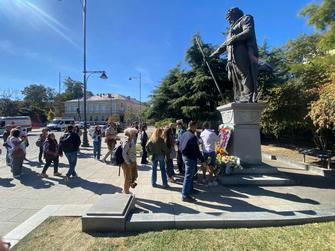
Bulgaria: The Return of Tsar Samuel

Osservatorio Balcani Caucaso - Transeuropa 6 Oct 2026

After years of negotiations between Bulgaria and Greece, the remains of the medieval Bulgarian tsar Samuel have been laid to rest in a lavish ceremony in the Bulgarian capital. The agreement marks a strategic rapprochement between Athens and Sofia, including as part of their opposition to Skopje. It has also provided a spectacular backdrop to the opening of Bulgaria’s presidential election campaign https://www.balcanicaucaso.org/en/cp_article/bulgaria-the-return-of-tsar-samuel/

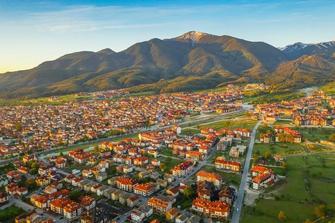
Remote Working in South-Eastern Europe: Bansko Leads the Way in Bulgaria

Osservatorio Balcani Caucaso Transeuropa (OBCT) 11 Aug 2026 English

Remote work is drawing employees, freelancers and international digital nomads from major cities to rural areas across Southeastern Europe, offering a possible response to depopulation. Bansko, Bulgaria, has become a leading example through its tourism base, coworking spaces, outdoor activities and established international remote-worker community. The Interreg Danube4Rural.com project is developing policies to help rural communities attract remote workers and employers, but researchers identify hybrid-work patterns, employer hesitation, legal uncertainty and weak healthcare, education, transport and digital infrastructure as major obstacles. Bansko’s growth has created new businesses and services, yet rising housing prices and changing local life threaten the qualities that initially attracted residents.

Remote Work Rural Depopulation Digital Nomads Regional Development Housing Affordability Rural Infrastructure Bansko, Bulgaria Southeastern Europe Danube Region European Union Interreg Danube4Rural.com Municipality of Moravske Toplice
Reporting styleInformative

Mostly factual reporting based on interviews and research, with some interpretive framing about the benefits and risks of rural remote work.

Bulgaria: Winning Eurovision Is Not Just About the Music

Osservatorio Balcani e Caucaso Transeuropa (OBCT) 19 May 2026 English

Dara's first-place finish at Eurovision gives Bulgaria a major source of national pride and a chance to host the contest in Sofia in 2027. The victory also reflects how the country has changed since the post-communist transition: EU and Schengen membership, euro adoption, rising wages and low unemployment have helped many young people see opportunities at home. Yet rising inflation and inequality, alongside disputes over immigration, gender identity, tradition and ties with Russia, expose sharp divisions. The article presents Dara's win as a symbol of a more European and globally connected Bulgaria, while noting that its reception reveals ongoing tensions over national identity and the country's future.

Eurovision Song Contest Bulgarian national identity Bulgaria's economic and social change European integration Social and cultural divisions Bulgaria Sofia Europe European Union Government of Bulgaria Dara (Darina Yotova) Francesco Martino
Reporting styleBalanced

Mostly analytical reporting, with interpretive judgments about what Dara's victory represents for Bulgarian society.

Political contextCentre

The piece takes an analytical, broadly balanced approach to cultural and political divisions, without advocating a partisan position.

Bulgaria: winning Eurovision is not just about the music

Balcani e Caucaso 18 May 2026 English

Bulgaria’s first-ever Eurovision victory, achieved by pop singer Dara with her song Bangaranga, became a catalyst for nationwide pride and debate over the country’s evolving identity. The win occurred amid a highly politicized Eurovision year marked by controversies over Israel’s participation and regional tensions in Eastern Europe. For many Bulgarians, the triumph symbolizes the country's transformation into a more prosperous and integrated European state, despite persistent economic inequality and cultural divides. The celebration highlights generational shifts, demographic changes, and ideological tensions between modern European values and traditionalist views. As Sofia prepares to host Eurovision next year, the event is poised to reignite discussions on national identity, social values, and Bulgaria’s future direction.

Eurovision Song Contest Bulgarian politics and society National identity Cultural controversies Bulgaria Europe Gaza European Union Politico Dara (Darina Yotova) Hristo Stoichkov Nikolay Kolev
Reporting styleBalanced

Mix of factual reporting with cultural and political interpretation

Political contextCentre

Discusses cultural and political divides in Bulgaria without advocating a specific partisan stance

See all 34 pieces of work with a free account

Other journalists in Sofia

Hire Message
×

Sign up to message Francesco

Already have an account? Log in
Looking for work? Register as a Journalist
Verify your email to complete registration
We’ve just sent an email to . Please check your inbox and click the link to verify your email address and complete your registration. If you don’t see the email, be sure to check your spam or junk folder.
Didn’t receive the email?

Sign up to unlock profiles

Already have an account? Log in
Looking for work? Register as a Journalist
Verify your email to complete registration
We’ve just sent an email to . Please check your inbox and click the link to verify your email address and complete your registration. If you don’t see the email, be sure to check your spam or junk folder.
Didn’t receive the email?