Engager des journalistes

Éditeurs et diffuseurs Équipes de marketing de contenu Équipes RP et communication Équipes risques et renseignement Trouver des journalistes Veille médias Tarifs

Pour les journalistes

Offres d'emploi en journalisme Tarifs Créez votre profil gratuit

À propos de Gaja

Gaja Pellegrini est journaliste basée à Rome, en Italie. Langue maternelle anglaise, excellente maîtrise de l'italien (bilingue) et niveau professionnel en français et en espagnol. Journaliste presse écrite et vidéo/TV, expérimentée dans les reportages de fond, les interviews, la rédaction de contenus et la production vidéo, y compris en zones de guerre. Rédactrice en poste auprès d'agences de l'ONU et des institutions de l'UE à Bruxelles. A travaillé pendant five years au Moyen-Orient (Gaza, Liban, Irak, Israël).

Langues
anglais français italien espagnol
Vu dans
Al Jazeera Al Arabiya English Carnegieendowment Limesonline

Travaux 7

Terrorism is taking on new forms since ISIS state collapse: Experts

Al Arabiya English 11 déc. 2019 English

Experts report that terrorism has expanded into more countries since ISIS lost territorial control, despite attacks becoming less deadly. Illicit trade networks are increasingly funding extremist groups, and new motives are emerging among organizations such as Hezbollah, influenced by Iran’s Revolutionary Guard. Cutting off illicit financial flows is identified as a key factor in curbing the spread of extremist activities.
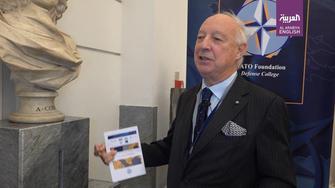
Terrorism ISIS Middle East security Middle East Syria Italy NATO Defense College Foundation Institute for Economics and Peace Transnational Alliance to Combat Illicit Trade International Institute for Counter-Terrorism Iran’s Islamic Revolutionary Guard Corps Hezbollah
Style rédactionnelInformatif

Expert analysis with largely factual reporting and minimal subjective language

Contexte politiqueCentre

Security-focused analysis without partisan framing
What the Mosul offensive means for Raqqa

Aljazeera 11 nov. 2016 English

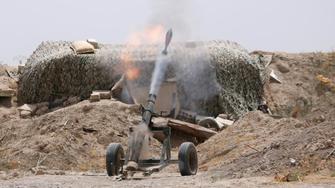
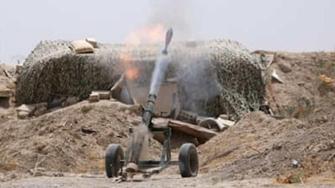
The article discusses the situation in Raqqa, Syria, and Mosul, Iraq, under the control of ISIL. Raqqa serves as ISIL's de-facto capital, and Mosul is its largest population center in Iraq. The ongoing battle in Mosul is expected to impact civilians in Raqqa, with fears that ISIL fighters may retreat there. Civilians face severe restrictions, including bans on TV and internet, with ISIL closely monitoring the few public internet access points. Raqqa's healthcare system is under strain, with limited electricity and a severe shortage of medicines. The Kurdish fighters are also feared by civilians for alleged human rights violations. The Syrian Democratic Forces have launched operation Euphrates Anger to liberate Raqqa, but the situation remains complex due to regional and international rivalries. The article includes insights from Hussam Eesa, cofounder of RBSS, Lorenzo Trombetta, an Italian researcher, and Samir Aita, founder of the Syrian Democratic Forum.

War in Raqqa War in Mosul ISIL's control and influence Human rights violations Civilians' living conditions under ISIL Operation Euphrates Anger Syria Iraq Middle East Al Jazeera Circle of Arab Economists Le Monde Diplomatique
Style rédactionnelÉquilibré

What the Mosul offensive means for Raqqa

Aljazeera 11 nov. 2016 English

The article discusses the situation in Raqqa, Syria, and Mosul, Iraq, under the control of ISIL. Raqqa serves as ISIL's de-facto capital, and Mosul is its largest population center in Iraq. The ongoing battle in Mosul is expected to impact civilians in Raqqa, with fears that ISIL fighters may retreat there. Civilians face severe restrictions, including bans on TV and internet, with ISIL closely monitoring the few public internet access points. Raqqa's healthcare system is under strain, with limited electricity and a severe shortage of medicines. The Kurdish fighters are also feared by civilians for alleged human rights violations. The Syrian Democratic Forces have launched operation Euphrates Anger to liberate Raqqa, but the situation remains complex due to regional and international rivalries. The article includes insights from Hussam Eesa, cofounder of RBSS, Lorenzo Trombetta, an Italian researcher, and Samir Aita, founder of the Syrian Democratic Forum.

War in Raqqa War in Mosul ISIL's control and influence Human rights violations Civilians' living conditions under ISIL Operation Euphrates Anger Syria Iraq Middle East Al Jazeera Circle of Arab Economists Le Monde Diplomatique

No to a Syria without Assad. The West created the Islamic State, now it must fight it

Limesonline 26 juil. 2016 Italian

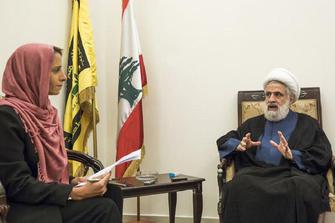
Gaja Pellegrini Bettoli discusses the West's role in the creation of the Islamic State and the subsequent need to combat it, referencing a conversation with Hezbollah's deputy secretary Naim Qassem. The article details meetings between European and Syrian officials, including Aise director Alberto Manenti and Syrian President Bashar al-Assad, aimed at normalizing diplomatic relations and potentially lifting some EU sanctions in exchange for intelligence on European citizens linked to the Islamic State.

Geopolitics Terrorism Diplomacy Syria European Union Rome Hezbollah Aise Naim Qassem Bashar al-Assad Alberto Manenti Deeb Zeitoun

Lebanon's Banking Sector at the Crossroads: Hezbollah, U.S. Sanctions, and Economic Stability

Carnegieendowment 26 juin 2016 English

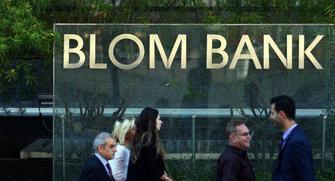
The article discusses the financial and political implications of the Hezbollah International Financing Prevention Act (HIFPA) on Lebanon's economy and banking sector. The Lebanese Central Bank (BDL) is under pressure to comply with HIFPA by closing accounts affiliated with Hezbollah, which could destabilize the banking sector and the economy. The act aims to prevent financial benefits to Hezbollah, especially after Iran's nuclear accord. Lebanese banks must freeze accounts listed by the U.S. Treasury’s OFAC and establish financial intelligence units to monitor accounts. The BDL has begun closing accounts, which has led to concerns about the impact on the Lebanese economy, given its reliance on remittances and a dollarized economy. The article also covers the potential negative effects on Hezbollah's social services and the broader Lebanese society. The U.S. Embassy in Beirut has stated its intention to protect the Lebanese economy from HIFPA's side-effects, but skepticism remains. Resistance to HIFPA is evident, with an explosion targeting Blom bank, which had complied with the act. The BDL has ceased communication with the media, indicating the sensitivity of the issue.

Lebanon's debt crisis Banking sector stability Hezbollah International Financing Prevention Act (HIFPA) U.S. sanctions on Hezbollah Lebanon's economy and currency stability Impact of HIFPA on Lebanese society and economy Lebanon's political stalemate and refugee situation Lebanon United States Middle East U.S. Congress Hezbollah

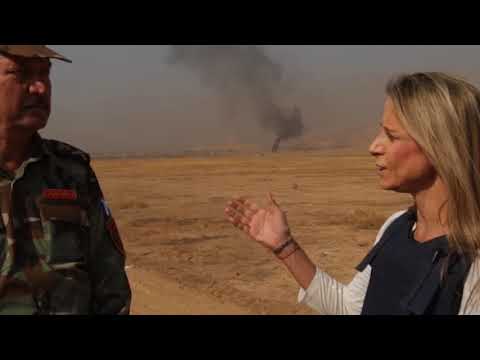
Showreel reporting from Mosul, Iraq 2016-2017.

Vidéo YouTube

Algeria, Tindouf (2012)- reporting on the kidnapping case of Italian NGO worker by AQMI-related jihadist group known as the MUJAO.

Photo
Recruter Message
×

Inscrivez-vous pour envoyer un message à Gaja

Vous avez déjà un compte ? Se connecter
Vous cherchez du travail ? S'inscrire en tant que journaliste
Vérifiez votre e-mail pour finaliser l'inscription
Nous venons d'envoyer un e-mail à . Veuillez consulter votre boîte de réception et cliquer sur le lien pour vérifier votre adresse e-mail et finaliser votre inscription. Si vous ne voyez pas l'e-mail, pensez à vérifier votre dossier spam ou courrier indésirable.
Vous n'avez pas reçu l'e-mail ?

Inscrivez-vous pour débloquer les profils

Vous avez déjà un compte ? Se connecter
Vous cherchez du travail ? S'inscrire en tant que journaliste
Vérifiez votre e-mail pour finaliser l'inscription
Nous venons d'envoyer un e-mail à . Veuillez consulter votre boîte de réception et cliquer sur le lien pour vérifier votre adresse e-mail et finaliser votre inscription. Si vous ne voyez pas l'e-mail, pensez à vérifier votre dossier spam ou courrier indésirable.
Vous n'avez pas reçu l'e-mail ?