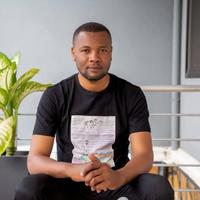
Zanzibar Reconciliation at Risk Due to Lust for Power
DW8 Sep 2026Swahili
ACT-Wazalendo and CCM are negotiating over reviving Zanzibar’s Government of National Unity, but Othman Masoud Othman warns that politicians’ personal ambitions, particularly competition for leadership posts, could undermine reconciliation. He also identifies weak accountability across decision-making institutions, courts, media and civil society as an obstacle to national dialogue. Othman remains hopeful that Tanzania can achieve reconciliation, while veteran opposition politician Ismail Jussa says Zanzibar’s political deadlock has a long history and that political will among past leaders helped ease tensions. The remarks came at a national conference reviewing Tanzania’s political situation after the October 2025 election.
Zanzibar politicsNational reconciliationPolitical power strugglesAccountability and governanceZanzibarTanzaniaACT-WazalendoChama Cha Mapinduzi (CCM)Othman Masoud OthmanIsmail JussaHussein Ali Mwinyi
Reporting styleInformative
Primarily factual reporting, with limited evaluative language about political self-interest and obstacles to reconciliation.
OpinionatedFactual
Political contextCentre
The article reports political statements and reconciliation efforts without endorsing a party or ideological position.
Far leftFar right
Zanzibar’s reconciliation at risk due to lust for power
Deutsche Welle (DW)8 Sep 2026Swahili
Former Zanzibar First Vice President Othman Masoud Othman warned that personal ambitions, especially competition for leadership posts, could undermine ACT-Wazalendo’s negotiations with the ruling CCM to revive a Government of National Unity. He also identified weak accountability across decision-making bodies, courts, media and civil society as an obstacle to national reconciliation, while expressing hope that genuine change remains possible. Opposition veteran Ismail Jussa said Zanzibar’s political deadlock has deep roots but that political will from past leaders has helped reduce tensions and create room for dialogue. The remarks were made at a national conference reviewing Tanzania’s political situation after the October 2025 election; it was scheduled to conclude on 8 September 2026.
Zanzibar politicsNational reconciliationPolitical accountabilityGovernment of National UnityZanzibarTanzaniaACT-WazalendoChama Cha Mapinduzi (CCM)Government of National Unity of ZanzibarOthman Masoud OthmanIsmail JussaHussein Ali Mwinyi
Reporting styleInformative
Primarily a factual report of political statements, with limited framing in the headline.
OpinionatedFactual
Political contextCentre
Reports competing political statements and institutional concerns without endorsing a political position.
Tanzania’s Parliament approved Energy Minister Deogratius Ndejembi as vice president with all 324 votes cast. He is expected to take over from Emmanuel Nchimbi, who resigned, saying President Samia Suluhu Hassan needed a change of deputy. At 43, Ndejembi becomes one of Tanzania’s youngest vice presidents and brings experience in government and the ruling CCM, though he is described as having no prominent political network outside the party system. Supporters in the private sector and some analysts see his experience and relative youth as strengths.
Tanzanian PoliticsVice-Presidential AppointmentPolitical LeadershipTanzaniaDodomaParliament of TanzaniaChama Cha Mapinduzi (CCM)Deogratius NdejembiSamia Suluhu HassanEmmanuel NchimbiSaidi Saidi
Reporting styleFactual
Factual news report describing the appointment and Ndejembi’s political background with limited evaluative language.
OpinionatedFactual
Political contextCentre
Straight reporting on a political appointment, without a discernible partisan stance.
Far leftFar right
Nchimbi Dismissed, Ndejembi Steps In: What Lies Behind the Change?
DW26 Aug 2026Swahili
CCM expelled Emmanuel Nchimbi for alleged breaches of discipline and ethics one day after he announced his resignation as Tanzania's vice president and retirement from politics. The party has not specified the conduct behind its decision, prompting speculation about his support for a new constitution and possible disagreements with the government. CCM has proposed 43-year-old Energy Minister Deogratius Ndejembi as his successor, a move supporters frame as a generational change and a way to ensure continuity. President Samia Suluhu Hassan must appoint the nominee, who then requires parliamentary approval; CCM's majority makes confirmation likely. Nchimbi is due to remain vice president until his resignation takes effect on September 4, while questions about his expulsion and the country's political direction remain unresolved.
Tanzanian PoliticsCCM Leadership ChangesVice-Presidential SuccessionConstitutional ReformHuman RightsTanzaniaChamwinoChama Cha Mapinduzi (CCM)Government of TanzaniaParliament of TanzaniaEmmanuel NchimbiDeogratius Ndejembi
Reporting styleBalanced
Analytical political reporting that presents attributed commentary and explores possible explanations, while distinguishing them from confirmed facts.
OpinionatedFactual
Political contextCentre
The article examines competing interpretations of a political leadership change and attributes judgments to commentators, without endorsing a partisan position.
Far leftFar right
President Samia approves her deputy Emmanuel Nchimbi’s resignation
Deutsche Welle (DW)25 Aug 2026Swahili
Tanzania’s President Samia Suluhu Hassan approved Vice President Emmanuel Nchimbi’s resignation, effective September 4, 2026. Nchimbi said he was leaving public service and politics because he believed Samia wanted change, fulfilling a promise he made when he became her running mate. The report places his departure alongside earlier exits and leadership changes involving Philip Mpango, Job Ndugai, Kassim Majaliwa, Tulia Ackson and Abdulrahman Kinana. Their circumstances differed, and the evidence does not establish that they were all forced out. Still, the president’s dual role as head of government and chair of the ruling CCM gives her substantial influence over political careers. Nchimbi’s resignation therefore renews questions about internal party dynamics and whether his departure was fully voluntary.
Tanzanian PoliticsGovernment ResignationsChama Cha Mapinduzi (CCM)Political Leadership ChangesTanzaniaGovernment of TanzaniaParliament of TanzaniaEmmanuel NchimbiSamia Suluhu HassanPhilip MpangoJob NdugaiKassim Majaliwa
Reporting styleInformative
Primarily factual political reporting and analysis, while raising questions about the causes and significance of leadership departures.
OpinionatedFactual
Political contextCentre
The piece presents multiple explanations for leadership departures and notes uncertainty about whether they reflect a coordinated effort by the president.
Far leftFar right
President Samia Approves Vice President Emmanuel Nchimbi’s Resignation
Deutsche Welle (DW)25 Aug 2026Swahili
Tanzanian President Samia Suluhu Hassan approved Vice President Emmanuel Nchimbi’s resignation, effective September 4, 2026. Nchimbi said he was leaving politics and public service after concluding that Samia wanted changes, fulfilling a promise he made when he became her running mate. His departure revives debate over a series of leadership changes during Samia’s tenure, including the exits of former vice president Philip Mpango, parliamentary speaker Job Ndugai, Prime Minister Kassim Majaliwa, speaker Tulia Ackson and CCM deputy chair Abdulrahman Kinana. The circumstances varied, and the available evidence does not establish that they were all forced out. The pattern nevertheless highlights the president’s substantial influence as both head of government and CCM chair, while the precise reasons behind Nchimbi’s departure may remain undisclosed.
Tanzanian PoliticsPolitical ResignationsTanzania’s Ruling PartyExecutive PowerTanzaniaGovernment of TanzaniaChama Cha Mapinduzi (CCM)National Assembly of TanzaniaSamia Suluhu HassanEmmanuel NchimbiPhilip MpangoJob Ndugai
Reporting styleInformative
Mostly analytical reporting; it presents competing interpretations of departures from office and notes that evidence is insufficient to prove a coordinated purge.
OpinionatedFactual
Political contextCentre
The text offers a largely balanced account, distinguishes established facts from speculation, and does not endorse a political faction.
Far leftFar right
Butiku Defends New Commission, Urges Reconciliation in Tanzania
DW12 Aug 2026Swahili
Veteran Tanzanian politician Joseph Butiku urged political leaders to pursue dialogue, trust, and civil politics, and defended President Samia Suluhu Hassan's newly formed commission investigating alleged crimes linked to violence during and after the 2025 general election. The commission follows an earlier inquiry led by retired Chief Justice Mohamed Chande Othman, which reported 519 deaths and more than 2,000 injuries; parts of that report remain undisclosed, prompting calls for transparency and accountability. Chadema deputy chair John Heche questioned whether the new commission's mandate covers those who ordered or permitted the use of firearms. Led by appellate judge Shabani Ally Lila and including judges from Namibia and Uganda, the commission faces scrutiny over whether it can conduct a credible investigation and restore public trust.
Tanzanian PoliticsNational Reconciliation2025 Tanzanian General ElectionElection Violence InvestigationTanzaniaNamibiaUgandaTanzanian GovernmentChademaMwalimu Nyerere FoundationEast African CommunitySouthern African Development Community
Reporting styleInformative
Primarily factual reporting, while presenting differing views on the commission and reconciliation.
OpinionatedFactual
Political contextCentre
Reports competing government and opposition positions on the commission without endorsing either.
Far leftFar right
Police in Tanzania Step Up Patrols and Security
DW30 Jun 2026Swahili
Police in Tanzania have increased patrols in urban areas, including Kariakoo market and the Sabasaba trade fair grounds, ahead of demonstrations planned for July 7. Police have warned against attempts to disrupt public order. The interior minister has also instructed guesthouse operators to verify guests’ identities using national ID documents, amid reports of surprise inspections. The measures have drawn mixed reactions, and the article suggests they may be intended to prevent a repeat of the deadly unrest during demonstrations on October 29.
Police and Public SecurityProtests in TanzaniaGovernment SurveillanceTanzaniaTanzania Police ForceGovernment of TanzaniaCamillus WamburaPatrobas Katambi
Reporting styleInformative
Mostly factual reporting, with limited interpretive framing about the possible reasons for increased security measures.
OpinionatedFactual
Political contextCentre
Reports government and police actions alongside public debate and concerns without clearly endorsing a political position.
Far leftFar right
Mwigulu: We Should Not Ignore Signs of Unrest
DW29 Jun 2026Swahili
Tanzanian Prime Minister Mwigulu Nchemba urged citizens not to ignore signs of unrest as debate intensifies over planned July 7 demonstrations. The government says intelligence points to plans to destabilize the country and argues that restrictions on political gatherings and other security measures are preventive. Critics, including lawyer Edson Kilatu, question the constitutional basis of the ban and say it limits freedom of assembly and expression; the government has not publicly produced evidence supporting its claims about foreign agents. Church leaders called for peace, ethical conduct, and reconciliation as the dispute over security and political rights continues.
Political Protests in TanzaniaFreedom of AssemblyNational SecurityConstitutional RightsTanzaniaSingidaGovernment of TanzaniaTanzania Evangelical Lutheran Church (KKKT)National Identification Authority (NIDA)Mwigulu NchembaEdson KilatuAlex Gehazi Malasusa
Reporting styleInformative
Primarily factual reporting, while presenting criticism of government measures and noting that evidence for security claims has not been made public.
OpinionatedFactual
Political contextCentre
The report presents the government’s security justification alongside critics’ concerns about constitutional freedoms, without advocating a political position.
Far leftFar right
New commission by Samia sparks debate in Tanzania
DW19 May 2026Swahili
A new criminal investigation commission formed by President Samia Suluhu Hassan to examine events surrounding the October 29 election has triggered debate in Tanzania. Opposition parties, activists and rights groups question the transparency of the process and the government’s failure to publish the earlier Chande Commission report, while some analysts argue the new body duplicates previous work. Supporters believe the initiative could uncover truth and promote accountability. Public reactions remain mixed as concerns grow over transparency, effectiveness and timelines, with many calling for clear answers about the election‑related violence.
Tanzanian politicsElection violenceGovernment accountabilityTanzaniaEast AfricaGovernment of TanzaniaChama cha Demokrasia na Maendeleo (CHADEMA)Legal and Human Rights Centre (LHRC)Samia Suluhu HassanJaji Othman ChandeShabani Ally LilaJohn Kitoko
Reporting styleInformative
Mostly factual reporting with some quoted opinions from stakeholders
OpinionatedFactual
Political contextCentre
Covers political developments without taking a partisan stance
We respect your privacy and use a limited number of cookies to provide essential functionality and enhance your visit. No third-party advertising cookies involved. For more details, please read our Cookie Policy.