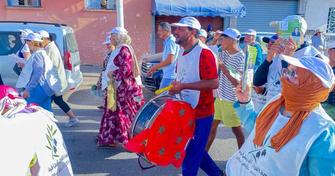
Morocco’s youth take Gen Z protest demands to the polls
Young candidates hope the election can turn youth frustration into political participation.
Hajar Elkahlaoui es fixer y periodista independiente con base en Marruecos que trabaja en inglés, árabe y francés. Con 5 years de experiencia reportando para medios internacionales, se especializa en conectar equipos de medios con historias locales. Ha trabajado con BBC World Questions, BBC Arabic, Euronews, TRT Español, TRT Français, Al Arabiya y Wired Middle East.
Young candidates hope the election can turn youth frustration into political participation.
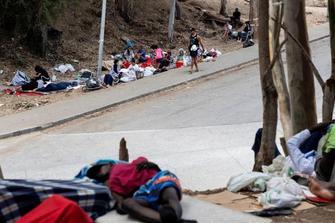
Young Moroccans facing unstable work, low wages and limited prospects have risked dangerous sea crossings and border attempts to reach Spain’s enclave of Ceuta. Mohammad, Hamza and Yassine describe perilous journeys, disappearances, alleged mistreatment and the desperation driving migration. Expert Ali Zoubeidi says the mass July crossing reflected long-standing migration aspirations intensified by social media, rumors and the perception that the border had briefly become accessible. Spanish authorities have sought faster returns and the reunification of unaccompanied minors with their families, while the Moroccan Association for Human Rights alleges that some returns were illegal and that migrants faced abuse. The experiences have led some migrants to question whether Europe offers a viable future, underscoring calls for Morocco to create decent employment and social mobility so migration becomes a choice rather than an act of desperation.
Primarily fact-based reporting using interviews, expert analysis and attributed claims, with some emotive framing and personal testimony.
Focuses on structural inequality, migrants' rights and criticism of state border practices while presenting multiple perspectives and avoiding a strongly ideological position.
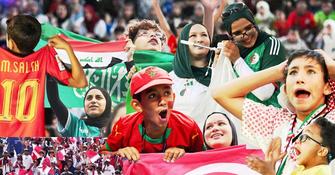
Eight Arab nations reached the 2026 FIFA World Cup, a historic milestone supported by expanded qualification slots and increasing regional influence in global football. Morocco has advanced to the knockout stage, Egypt is close to securing progression, and Algeria, Saudi Arabia and Iraq remain in contention with decisive matches ahead. Tunisia, Qatar and Jordan have been eliminated, though Jordan marked its first-ever World Cup appearance. The tournament highlights decades of progress for Arab football and the region’s growing role in hosting future World Cups.
Primarily factual reporting on team performances and tournament context
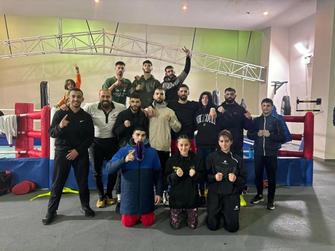
A boxing gym in Ramallah called El Barrio blends Latin American boxing culture with Palestinian community resilience under Israeli occupation. Founded by coach Nader Jayousi, the gym fosters solidarity, supports athletes from youth to Olympic level, and serves as a refuge amid political tensions and restrictions. Inspired by Latin American solidarity, it incorporates Cuban boxing techniques and promotes inclusivity, with significant participation from women. Despite travel limitations and violence affecting members, including the killing of a young boxer’s relative, El Barrio nurtures rising talents aiming for future Olympics and strengthens communal identity across generations.
Contains strong subjective elements, emotional testimonies, and political framing, though mixed with factual narrative.
Critiques Israeli occupation and highlights Palestinian resistance and community resilience.
A Palestinian chef from Gaza, Eman Al Atawna, preserves her heritage and identity in Peru through her restaurant Bokja, blending traditional Palestinian cuisine with local influences. Her cooking serves as an act of cultural resistance shaped by memories of displacement, family history and life under Israeli military aggression. Bokja’s name and dishes evoke the legacy of the Nakba and the enduring ties Palestinians maintain with their homeland. Al Atawna recounts her childhood experiences in Gaza, including violence, loss and restrictions, and explains how she eventually left for Peru for her family’s safety. In Peru she found cultural parallels, community support and a platform to share Palestinian culture while raising awareness about events in Gaza. She aims to expand her restaurant and continue promoting Palestinian heritage as an affirmation of identity and resilience.
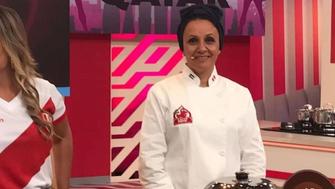
The article is heavily narrative and subjective, reflecting personal experiences and viewpoints, though grounded in factual context.
The article strongly emphasizes anti-occupation narratives, human rights concerns, and cultural resistance, aligning with left-leaning perspectives.
A documentary titled Who Killed Shireen? identifies Israeli soldier Alon Scagio as responsible for the killing of Palestinian-American journalist Shireen Abu Akleh during a 2022 Israeli raid in Jenin. Drawing on interviews with Israeli soldiers and extensive investigation, the film challenges earlier Israeli claims and highlights alleged obstruction of inquiries by Israeli authorities. The Abu Akleh family continues to seek accountability at all levels of command while advocating internationally, expressing frustration with delays from the U.S. government. The documentary also addresses broader attacks on journalists since 2023 and presents testimonies, including that of injured journalist Ali Samoudi, to underscore patterns of impunity. Shireen’s legacy endures through her family’s foundation and their pursuit of justice and journalistic integrity.
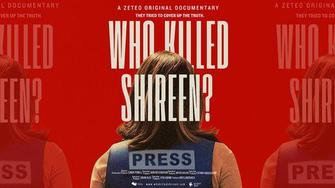
The article contains strong emotional accounts and subjective assessments alongside factual reporting.
Critical of Israeli military actions, supportive of accountability and human rights narratives
Aziz Bekkaoui, a Moroccan-born Dutch designer, uses fashion as a platform for Palestinian solidarity, transforming traditional symbols like the keffiyeh into high-fashion statements. His work highlights the cultural significance of these symbols while criticizing the fashion industry's double standards and cultural appropriation. Despite facing backlash and professional isolation, Bekkaoui remains committed to raising awareness about the Palestinian struggle through his designs. The article also critiques the fashion industry's silence on the Palestinian cause compared to its support for Ukraine, highlighting the industry's hypocrisy.
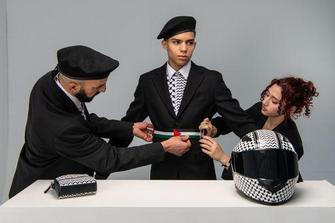
The article contains subjective statements and personal beliefs about the fashion industry's double standards and cultural appropriation.
The article discusses cultural appropriation and solidarity with Palestine, indicating a left-leaning perspective.
Women artisans in Igli-n-Sidi Ahmed preserve the Amazigh weaving tradition, transforming recycled textiles and natural materials into rugs such as Boucherouite and Zerbiya. Led by Amina, the group maintains a collaborative craft that provides economic support, cultural continuity, and emotional well‑being. Despite dissolving their cooperative due to tax concerns and facing reduced demand and digital‑market challenges after the pandemic, the artisans remain committed to sustaining their craft. Growing global appreciation for sustainable handmade products offers new opportunities, even as declining orders threaten the survival of this ancestral tradition.
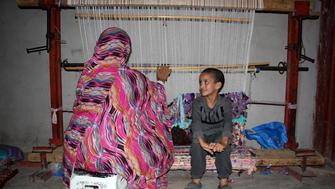
Primarily factual reporting with some subjective reflections from the interviewee.
Plestia Alaqad, a young Palestinian journalist, is dedicated to sharing the stories of Gaza amidst the Israeli-Palestinian conflict. Despite being displaced due to violence, her impactful storytelling has gained global recognition, highlighting the resilience of Palestinians. Alaqad's work, including her upcoming book 'The Eyes of Gaza,' aims to challenge stereotypes and advocate for Palestinian rights. The article also discusses the dangers faced by journalists in conflict zones, emphasizing the personal tragedies experienced by those like Wael Dahdouh.
The article contains subjective statements and personal beliefs about the Israeli-Palestinian conflict.
The article is critical of Israeli actions and supportive of Palestinian rights.
The article highlights the devastating impact of the ongoing conflict in Gaza on Palestinian athletes, focusing on Mahmoud Raafat Salama, a former professional footballer whose life has been upended by the violence. Salama's story is emblematic of the broader struggles faced by athletes in the region, with many losing their lives, careers, and dreams due to the conflict. The article criticizes international sports organizations like FIFA and the International Olympic Committee for their perceived inaction and double standards in addressing the situation. It underscores the urgent need for support to rebuild Gaza's sports infrastructure and provide a future for young athletes.
The article contains subjective statements and personal experiences, highlighting the plight of Palestinian athletes.
The article highlights the plight of Palestinians and criticizes international organizations for their inaction.
Ver los 13 trabajos con una cuenta gratuita
 Omar Kabbadj
Periodista de Política y gobierno
Rabat, Marruecos
Visto enLe FigaroLe Temps
árabe · francés · español · portugués
Ver perfil
 Kelvin Hayes
Periodista de Gastronomía
Rabat, Marruecos
Visto enEscapeArtistChina Daily
Ver perfil
 Amine Regragui
Periodista de Negocios y economía
Rabat, Marruecos
Visto enThe Brunswick NewsAlarab24+7
alemán · árabe
Ver perfil
 Hassan Alaoui
Periodista de Verificación de datos
Rabat, Marruecos
Visto enMaroc DiplomatiqueClick2Houston
árabe · francés
Ver perfil
 Imane El haddad
Periodista de Negocios y economía
Rabat, Marruecos
árabe · francés
Ver perfil
 Touissi Adam
Photographer de Finanzas y mercados
Rabat, Marruecos
árabe · francés
Ver perfil
Todos los periodistas en RabatJournalism jobs en MarruecosCuánto cobran los periodistas en Marruecos