Ingaggia giornalisti

Editori ed emittenti Team di content marketing Team di PR e comunicazione Team di risk e intelligence Trova giornalisti Monitoraggio dei media Prezzi

Per i giornalisti

Offerte di lavoro nel giornalismo Tariffe Crea il tuo profilo gratuito

Su Halima

Halima Athumani è una giornalista freelance con base in Uganda con un'esperienza radiofonica di oltre 13 anni. Halima ha lavorato per Voice of America-Africa desk-(Radio and Television), https://www.voanews.com/author/halima-athumani/tvv_o, US based National Public Radio ed è attualmente la conduttrice di un podcast su un processo per crimini di guerra in corso in Svezia **** e https://www.scidev.net/global/authorhalima-athumani.html Halima ha lavorato per media locali in Uganda, inclusi 93.3 KFM (2006-2009) e Uganda Radio Network-News Agency (2010-2014). Nel 2016 Halima è approdata alla televisione con il suo primo servizio, un'inchiesta intitolata "Uganda's Health Pyramids" con il pieno supporto di Banyak Films-UK. Il film di inchiesta speciale è andato in onda su Al Jazeera, People and Power. Ha svolto incarichi speciali per Public Radio International-America Abroad Media, BBC e per podcast della University of Cambridge. **** febbraio 3,2022 **** febbraio 19,2022 Come fixer, Halima ha lavorato a stretto contatto con fotografi e registi rinomati di The National Geographic, con troupe di produzione cinematografica della BBC, dal Giappone e dalla Germania. Produttrice locale per: **** The Messenger- 2021 **** ottobre 28 2020 • BBC Documentary Series (Uganda) - Can You Farm? dicembre 2018 (ricerca)- febbraio 2019 (produttrice)

Lingue
inglese
Visto su
Voice of America Allafrica Voaafrica Geeska NPR The World Al Jazeera BBC MPR News National Geographic VOA Indonesia Voz de América WHRO Public Media Silkroadregained Vnexplorer Aa Voazimbabwe Wbur

Lavori 106

African solidarity with Gaza doesn't downplay African conflicts

Geeska 24 lug 2025 English

Examines internal tensions among African academics over issuing a solidarity statement for Palestinians during the Gaza crisis, highlighting concerns that such gestures overlook ongoing African conflicts. Describes debates within the African Humanities Association, where some feared undermining cohesion while others emphasized selective empathy that devalues African suffering. Argues that equating struggles in Gaza, Sudan, and Congo obscures their distinct historical and political roots, stressing the difference between anti-colonial liberation and post-colonial internal conflicts. Calls for deeper scholarly engagement with African crises rather than simplistic solidarity slogans, urging rigorous analysis of conflicts rooted in colonial legacies, citizenship disputes, and regional dynamics. Advocates restoring visibility to African lives through research and nuanced understanding rather than symbolic declarations.

Israel–Palestine conflict African regional conflicts Post-colonialism and decolonisation Academic and political solidarity debates Gaza Democratic Republic of Congo Sudan African Humanities Association CODESRIA Centre for African Studies University of Cape Town Issa Shivji
Stile giornalisticoInterpretativo

Highly interpretive analysis with strong subjective arguments on solidarity, colonialism, and African conflicts.

Contesto politicoSinistra

Critiques colonialism, settler colonialism, and emphasizes liberation struggles and post-colonial structural analysis.
East Africa, protests and crackdowns

Geeska 22 lug 2025 English

European and East African observers highlight a decline in democratic institutions across Uganda, Kenya, and Tanzania, where youth populations face unemployment, rising living costs, and limited political influence. Kenyan Gen Z protests against the 2024 Finance Bill demonstrate a heightened political consciousness, contrasting with the suppressed and discouraged youth movements in Uganda and Tanzania. Both Museveni’s and Suluhu’s governments respond to dissent with arrests, violence, and intimidation, leading to political numbness among young people. Historical socioeconomic disparities in Kenya contribute to stronger public mobilisation. As Kenyans continue challenging President Ruto’s leadership, some are turning toward figures such as former chief justice David Maraga as potential democratic stabilizers for future elections.

East African politics Youth protests Human rights Government crackdowns Kenya Uganda Tanzania European Union Parliament Uganda government Kenya government Tanzania government CHADEMA
Stile giornalisticoInterpretativo

Strongly analytical and interpretive with subjective assessments about governments and youth sentiment.

Contesto politicoCentro-sinistra

Critiques authoritarian governance while emphasizing democratic norms and social grievances.

Abdourahman Waberi and the third generation of African literature

Geeska 21 lug 2025 English

Abdulrahman Waberi is presented as a leading figure of the third generation of African literature, distinguished by blending tradition with modernity and engaging with global themes shaped by migration and exile. Born in Djibouti and later educated in France, he developed a multifaceted cultural identity combining Arabophone, Francophone, and Anglophone influences, which informs both his creative works and academic scholarship. His major contributions across poetry, novels, and short stories, including The Nomads, Harvest of Skulls, The Land Without Shadows, and Naming the Dawn, are recognised for their lyrical language, symbolic depth, and exploration of historical and political realities. His engagement in international literary forums and his influence on contemporary African literature underscore his role as a bridge between generations and a key voice in shaping post-independence African literary identity.

African literature Literary criticism Biography Djibouti Africa Rwanda Akazu Radio France Internationale George Washington University Abdulrahman Waberi Chinua Achebe Kofi Awoonor
Stile giornalisticoEquilibrato

A mix of factual biography and interpretive literary analysis with subjective interpretations of symbolism and impact.

Derek Peterson: ‘What I try to do is to explain why demagogues like Amin possess the power to convince’

Geeska 28 giu 2025 English

Historian Derek Peterson explains that Idi Amin’s violent dictatorship cannot be understood through repression alone: many Ugandans supported the regime because they viewed its anti-colonial, nationalist and Pan-Africanist projects as avenues for social and political liberation. His book examines the bureaucrats, broadcasters, religious figures, academics and artists who built the regime’s institutional and ideological infrastructure, while also documenting how economic controls, religious persecution and state violence narrowed everyday life. Peterson discusses the role of archives in recovering this history, the Museveni government’s reluctance to confront Uganda’s past, and the Rwenzururu movement’s efforts to resist Amin’s media and political system. He argues that Amin’s use of nationalism, media and resentment offers lessons for understanding modern demagogues and for identifying forms of resistance.

Idi Amin’s Uganda Dictatorship and Political Violence Decolonisation and Pan-Africanism Religious Authoritarianism Archival History Demagoguery and Resistance Uganda East Africa Rwenzori Mountains Idi Amin’s government Rwenzururu movement Pan-Africanist Congress
Stile giornalisticoEquilibrato

Analytical interview that presents historical evidence while advancing Peterson’s interpretation of Amin’s popular appeal and the lessons of demagoguery.

Contesto politicoCentro-sinistra

The interview is sympathetic to anti-colonial and Pan-Africanist aspirations while strongly criticising dictatorship, political violence and the manipulation of public resentment.

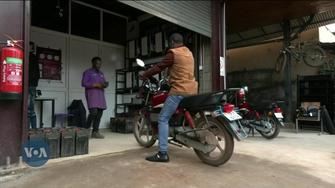
Ugandan boda-boda industry sees green investment from USAID

VOA Africa 15 nov 2024 English

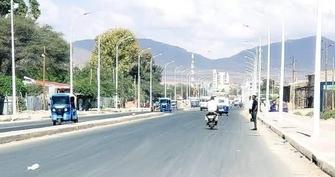
Young Ugandans in the boda-boda industry are transitioning to electric motorbikes through a collaboration between Gogo Electric and USAID's Strategic Investment Activity. While this partnership marks a significant step towards eco-friendly transportation, both manufacturers and riders acknowledge the necessity for further advancements in the technology.

Green Investment Motorcycle Taxi Industry Electric Vehicles Uganda USAID Gogo Electric
Stile giornalisticoEquilibrato

Balanced reporting on the adoption of electric motorbikes and the need for further development.

Somalis in Ethiopia: still outsiders looking in

Geeska 12 nov 2024 English

Somalis in Ethiopia continue to face systemic marginalisation rooted in imperial expansion, cultural repression, and persistent state suspicion that challenges their claims to full Ethiopian identity. Successive governments have maintained control over the Somali region through coercion, manipulation of local leadership, and limited autonomy under ethnic federalism, which has largely functioned as an instrument of central authority rather than self-governance. Although the region is currently more stable than other parts of Ethiopia, this calm reflects negative peace sustained by fear rather than genuine inclusion. Political shifts under Abiy Ahmed have brought prominent Somali officials into federal leadership, yet tensions persist as many Somalis still identify primarily with their distinct heritage and seek greater self-determination. Controversies involving leaders such as Mustafa Omer and evolving positions of the ONLF highlight continuing struggles over identity, autonomy, and the Ethiopian state’s enduring patterns of control. The Somali population remains caught between cultural pride, political caution, and an unfulfilled aspiration for meaningful self-rule.

Ethnic relations in Ethiopia Somali identity Ethiopian politics Autonomy and federalism Ethiopia Somali Region (Ogaden) Somalia Ethiopian Government Somali Regional State Ogaden National Liberation Front (ONLF) Abiy Ahmed Mustafa Omer
Stile giornalisticoInterpretativo

The article is heavily analytical and interpretive, presenting strong subjective perspectives on ethnic identity, historical injustice, and political marginalisation.

Contesto politicoSinistra

The article critiques state power, centralised authority, and ethnic marginalisation while supporting minority rights and self‑determination.

Reaction mixed as Ugandan court sentences former LRA commander to 40 years

VOA News 25 ott 2024 English

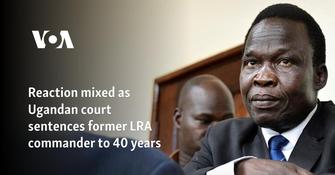
A Ugandan court sentenced former LRA commander Thomas Kwoyelo to 40 years in prison for war crimes, including murder and gender-based violence. The decision has sparked mixed reactions, with some advocating for reconciliation through traditional methods. The court emphasized punishment over rehabilitation, while some organizations welcomed the focus on gender-based violence. The case highlights ongoing issues related to the long-standing conflict in northern Uganda, with LRA leader Joseph Kony still wanted by the International Criminal Court.

War Crimes Justice System Gender-Based Violence Uganda Northern Uganda Lord’s Resistance Army International Criminal Court Foundation for Justice and Development Initiative Thomas Kwoyelo Francis Okello Oloya Duncan Gaswaga Susan Aceng Oroma
Stile giornalisticoEquilibrato

Mixed reactions to the sentencing, with some supporting the decision and others advocating for reconciliation.

Uganda's military threatens US ambassador with expulsion

VOA Zimbabwe 5 ott 2024 English

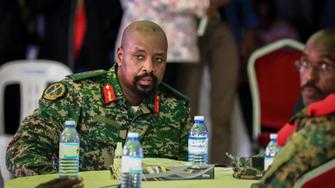
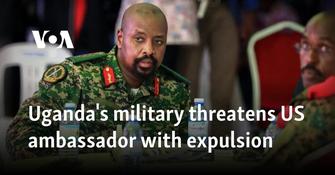
Uganda's military, led by General Muhoozi Kainerugaba, has issued an ultimatum to U.S. Ambassador William Popp to apologize or face expulsion, following U.S. sanctions on Ugandan police officers for human rights violations. Kainerugaba's authority to make such demands is questioned by local human rights advocates. The U.S. State Department has sanctioned four Ugandan officers for torture and inhumane treatment, highlighting ongoing human rights concerns in Uganda. Despite the tensions, the U.S. Embassy continues to engage with Ugandan authorities on various issues.

Diplomatic Relations Human Rights Violations Uganda United States Uganda's Defense Forces U.S. State Department Foundation for Human Rights Initiative Uganda African Center for Treatment and Rehabilitation of Torture Victims Uganda People's Defense Forces Muhoozi Kainerugaba William Popp Yoweri Museveni
Stile giornalisticoEquilibrato

The article presents a mix of factual reporting and subjective statements, particularly in the quotes from individuals.

Contesto politicoCentro

Focuses on diplomatic relations and human rights without a clear political bias.

Uganda's military threatens US ambassador with expulsion

Voice of America 4 ott 2024 English

Uganda's military, led by General Muhoozi Kainerugaba, has issued an ultimatum to U.S. Ambassador William Popp to apologize or face expulsion, following U.S. sanctions on Ugandan police officers for human rights violations. Kainerugaba's authority to make such demands is questioned by local human rights advocates. The U.S. State Department sanctioned four officers for torture and inhumane treatment, highlighting ongoing human rights concerns in Uganda. Despite the threats, the U.S. Embassy continues its diplomatic engagement with Uganda, emphasizing accountability for human rights abuses.

Diplomatic Relations Human Rights Violations Uganda United States Uganda's Defense Forces U.S. State Department Foundation for Human Rights Initiative Uganda African Center for Treatment and Rehabilitation of Torture Victims Uganda People's Defense Forces Muhoozi Kainerugaba William Popp Yoweri Museveni
Stile giornalisticoEquilibrato

The article presents a mix of factual reporting and subjective statements, particularly in the quotes from individuals.

Contesto politicoCentro

The article discusses diplomatic tensions and human rights issues without a clear political bias.

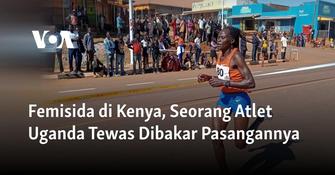
Femicide in Kenya, Ugandan Athlete Burned to Death by Partner

VOA Indonesia 8 set 2024 Indonesian

The brutal murder of Ugandan athlete Rebecca Cheptegei by her partner in Kenya highlights the pervasive issue of domestic violence and femicide in the region. Human rights groups are calling for stronger legal measures to protect women. The incident draws parallels with previous cases of violence against female athletes in Kenya, such as Agnes Tirop and Damaris Muthee Mutua. Organizations like UN Women and Tirop’s Angels emphasize the need for societal change and better protection for female athletes. The article advocates for recognizing such acts as femicide rather than domestic violence, urging collective action to end gender-based violence.

Domestic Violence Femicide Athletics Kenya Uganda UN Women UNODC Federasi Atletik Uganda Atletik Dunia Tirop’s Angels Pusat Pendidikan dan Kesadaran Hak Rebecca Cheptegei
Stile giornalisticoInterpretativo

The article contains subjective statements and advocacy for stronger legal measures against domestic violence.

Contesto politicoSinistra

The article advocates for social justice and stronger legal measures to protect women from domestic violence.

Vedi tutti i 106 lavori con un account gratuito

Altri giornalisti a Kampala

Ingaggia Messaggio
×

Registrati per inviare un messaggio a Halima

Hai già un account? Accedi
Cerchi lavoro? Registrati come giornalista
Verifica la tua email per completare la registrazione
Abbiamo appena inviato un'email a . Controlla la tua casella di posta e clicca sul link per verificare il tuo indirizzo email e completare la registrazione. Se non vedi l'email, assicurati di controllare la cartella spam o posta indesiderata.
Non hai ricevuto l'email?

Registrati per sbloccare i profili

Hai già un account? Accedi
Cerchi lavoro? Registrati come giornalista
Verifica la tua email per completare la registrazione
Abbiamo appena inviato un'email a . Controlla la tua casella di posta e clicca sul link per verificare il tuo indirizzo email e completare la registrazione. Se non vedi l'email, assicurati di controllare la cartella spam o posta indesiderata.
Non hai ricevuto l'email?