Hire journalists

Publishers & Broadcasters Content Marketing Teams PR & Comms Teams Risk & Intelligence Teams Find journalists Media Monitoring Pricing

For journalists

Journalism jobs Pay rates Create your free profile

About Hani

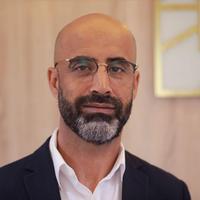
Hani Hazaimeh has been working as the Managing Editor as well as the Business Development Manager at the Saudi leading English Daily Arab News for the past one year. Before that, he worked as a senior reporter/ editor the The Jordan Times, Jordan's only Political English-language daily newspaper, since 2000. The Jordan Times provides comprehensive coverage and analysis of national, regional and world events on a daily basis and is considered one of the most important English language sources of cultural, economic, social and political information in the Arab world. Besides the Jordan Times, Hani has written for a variety of publications such as Venture Magazine, Hatem Magazine, Ammonnews website, Al Rai Daily, the largest daily newspaper in Jordan and the US most popular news website Huffington Post. He worked as the official translator of the Ministry of Planning and International Cooperation. Born and raised in Jordan, Hani spent two years at Prince Faisal College, one year at The Defence Language Institute in the US and graduated with an English Language Diploma in Teaching English as a Foreign Language.

Languages
Arabic English
Seen in
Arab News HuffPost

Work 19

Why returning to Syria is only the first step towards rebuilding lives shattered by war

Arab News 10 Oct 2026 English

About 1.82 million Syrians returned from abroad after Bashar Assad’s regime fell in December 2024, while roughly 2.04 million internally displaced people also returned to their areas of origin. Returnees often face damaged or unavailable housing, scarce jobs, unreliable water and electricity, weak healthcare and education services, and legal-documentation and property disputes. Aid reaches only a fraction of needs, and Syria’s reconstruction costs are estimated at $216 billion. Returnees and aid workers say lasting reintegration requires not only repairs and material assistance but employment, functioning public services, updated social-protection systems, and stronger social cohesion. Many families remain determined to rebuild, though those with work, savings, or support from relatives abroad are better placed to manage the transition.

Syrian Refugees and Returnees Postwar Reconstruction Humanitarian Aid Housing and Infrastructure Employment and Livelihoods Access to Public Services Social Reintegration Syria Turkiye Lebanon UNHCR Syrian Ministry of Social Affairs and Labor
Reporting styleInformative

Primarily reported and data-driven, with some interpretive framing about the challenges and conditions needed for successful return.

Netanyahu cannot afford for the Gaza war to end

Arab News 5 Oct 2026 English

Hani Hazaimeh argues that the continuation of Israel’s war in Gaza may serve domestic political interests as well as military aims, keeping attention on security while postponing scrutiny of the failures surrounding the October 7, 2023 attacks. Despite a US-backed ceasefire framework, Israeli strikes continue, Gaza remains devastated, displacement persists and reconstruction has barely begun. The column says a ceasefire must lead to civilian protection, humanitarian recovery, legitimate Palestinian governance and a durable political settlement. It also calls for an independent inquiry into Israel’s security failures and stresses the lasting effects of war on Gaza’s children, education and health care.

Gaza War Israeli Politics Ceasefire Negotiations Political Accountability Humanitarian Crisis Palestinian Self-Determination Gaza Strip Israel United States Government of Israel Hamas Benjamin Netanyahu
Reporting styleInterpretive

Opinion column arguing that continued war may serve Netanyahu's domestic political interests and calling for a ceasefire, accountability and a political future for Gaza.

Political contextCentre-left

The column emphasizes Palestinian civilian rights and self-determination, criticizes the Israeli government, and advocates accountability and a negotiated political framework.

Why Palestinians Must Be Allowed to Vote

Arab News 30 Sep 2026 English

Palestinian legislative elections scheduled for November 28 could restore democratic legitimacy after a two-decade gap and help renew institutions needed for governance and Gaza’s reconstruction. Hani Hazaimeh urges international actors to provide funding, technical assistance and election observers, and to ensure voters, candidates and officials can participate throughout Gaza, the West Bank and East Jerusalem without obstruction. He stresses that outside support should protect the integrity of the process rather than favor any party, and argues that credible Palestinian institutions are foundational to a viable Palestinian state and peace with Israel.

Palestinian elections Democratic representation Palestinian governance Gaza reconstruction Palestinian statehood Palestine Gaza East Jerusalem Palestinian Central Elections Commission Palestinian Authority United Nations France
Reporting styleInterpretive

Advocates for the elections and urges international support, presenting a clear normative argument.

Political contextCentre-left

Supports democratic participation, accountable institutions and Palestinian statehood alongside Israel, without advocating a particular party or faction.

In What World Does Netanyahu Live?

Arab News 27 Sep 2026 English

Hani Hazaimeh argues that Benjamin Netanyahu’s government is undermining the possibility of peace through settlement expansion, land control and military force, particularly through the proposed E1 project, which threatens West Bank territorial continuity. The column notes international opposition to these policies and argues that Israeli security cannot be achieved by denying Palestinians comparable security, rights and statehood. It concludes that military superiority cannot resolve the conflict’s political roots and that a sustainable peace requires a negotiated settlement granting Palestinians freedom, dignity and a viable state.

Israel-Palestine conflict Israeli settlements Palestinian statehood Gaza war Two-state solution Israel Palestinian Territories Middle East Israeli government Palestinians Hamas United Kingdom
Reporting styleOpinionated

Strongly critical opinion column arguing that Netanyahu’s policies undermine peace and Palestinian statehood.

Political contextCentre-left

Advocates Palestinian rights and a negotiated two-state settlement while acknowledging Israeli security concerns.

Israel testing how far it can redraw the map in Syria

Arab News 17 Sep 2026 English

Hani Hazaimeh argues that Israel's continued incursions, detentions, and military positions in southern Syria are turning what was described as a temporary security measure into an entrenched presence. Citing a UN commission's warning that some actions could amount to war crimes and its characterization of the situation as a belligerent occupation, he says the expansion violates Syria's sovereignty and disrupts the 1974 disengagement framework. He contends that Israel's security rationale needs a clear end date and that negotiations cannot succeed while facts are being changed on the ground. The United States, European governments, and the wider international community should press for a security arrangement that protects both sides without compromising Syrian sovereignty; otherwise, the situation could fuel instability and become a lasting regional flashpoint.

Israeli military operations in Syria Syrian sovereignty and territorial integrity International law Israel-Syria relations Middle East security Syria Israel Middle East United Nations Syrian government United States European countries
Reporting styleOpinionated

Strongly argues that Israel's expanding military presence in southern Syria violates Syrian sovereignty and risks making occupation permanent.

Political contextCentre-left

Emphasizes international law, state sovereignty, diplomacy, and opposition to military expansion.

Qusra, Gaza and the Politics of Palestinian Displacement

Arab News 9 Sep 2026 English

Hani Hazaimeh argues that the siege and intimidation of Palestinian families in Qusra should be understood alongside Israeli politicians’ proposals to remove Palestinians from Gaza. He condemns settler violence and restrictions on humanitarian aid, and says Israel must protect civilians, prosecute offenders, and enforce the law. He notes that Prime Minister Benjamin Netanyahu has reportedly ordered the dismantling of unauthorized West Bank outposts, but says implementation and accountability matter more than statements. With Israeli elections approaching, he warns against politicians using Palestinian displacement as an electoral issue. He urges the UN, EU, and US to press for civilian protection, unrestricted aid, independent investigations, and rejection of mass displacement.

Palestinian displacement Israeli settler violence Humanitarian access West Bank Gaza Israel Israeli government United States United Nations European Union Israeli peace activists Hani Hazaimeh
Reporting styleInterpretive

Strongly argued opinion column condemning settler violence and displacement policies and urging international pressure.

Political contextCentre-left

Emphasizes Palestinian rights, international law, accountability, and opposition to forced displacement while distinguishing Israeli citizens from government and extremist actors.

Emerging Kurdish Role in Syria Can Be a Win-Win

Arab News 30 Aug 2026 English

The integration of Syrian Democratic Forces personnel into the Syrian army could replace parallel military structures with a unified national framework, restoring Damascus’s authority while opening a path for Kurdish political participation and recognized rights. The arrangement could also ease Turkey’s security concerns and help Syria assume greater responsibility for counterterrorism. Its success depends on Damascus turning commitments on citizenship, cultural and linguistic rights, local administration, and representation into durable legal guarantees; without them, mistrust and unresolved grievances could trigger renewed conflict.

Syrian Kurds Syrian Democratic Forces integration Syrian sovereignty and territorial integrity Kurdish rights Turkish-Syrian relations Counterterrorism Syria Turkey Middle East Syrian Democratic Forces Syrian government Syrian army
Reporting styleInterpretive

Argues that integrating Kurdish forces into Syria's national institutions could benefit multiple parties, while urging Damascus to guarantee Kurdish rights.

Political contextCentre

Supports a pragmatic settlement balancing Syrian unity and sovereignty with Kurdish rights and political participation.

Iran Must Stop Making Its People Pay for Strategic Blunders

Arab News 26 Aug 2026 English

Hani Hazaimeh argues that Iran’s prolonged confrontation with foreign and regional actors is imposing economic hardship and insecurity on ordinary Iranians without delivering a sustainable political gain. He says Tehran should distinguish the country’s national interests from the regime’s political interests, recognize its neighbors’ security concerns, and use its strategic leverage to negotiate sanctions relief, nuclear arrangements, security guarantees, and maritime stability. The column maintains that diplomacy is not surrender and that Iran’s strength should be measured by its citizens’ safety and prosperity, not by their capacity to endure pressure.

Iranian Politics Iran's Foreign Policy Regional Security Economic Sanctions Diplomacy and Negotiations Iran Middle East Strait of Hormuz Iranian regime United States Gulf states Hani Hazaimeh
Reporting styleOpinionated

Strongly opinionated column arguing that Iran's continued confrontation is strategically self-defeating and harms its people.

Political contextCentre

Argues for diplomacy and regional stability while criticizing the Iranian regime's policies, without presenting a clear left- or right-wing ideological position.

In the West Bank, the Militia Operates in Plain Sight

Arab News 16 Aug 2026 English

Armed Israeli settler groups have besieged and attacked Palestinian communities, including families in Qusra, while Israeli forces have repeatedly failed to protect residents or end the violence. The column argues that the pattern reflects political tolerance and a state-administered environment for settlement expansion rather than isolated criminal acts. Citing UN warnings and displacement data, it describes violence, outposts and access restrictions as means of taking control of strategically valuable Palestinian land. It calls for international scrutiny and accountability for settlers, soldiers and officials, warning that continued impunity will deepen displacement, fuel radicalization and make a viable Palestinian state and political settlement less attainable.

Settler Violence Israeli Settlements Palestinian Displacement West Bank Occupation International Law West Bank Qusra Palestine Israeli government Israeli military United Nations Office for the Coordination of Humanitarian Affairs
Reporting styleInterpretive

Opinion column advances a critical argument that Israeli authorities tolerate or enable settler violence and calls for accountability.

Political contextCentre-left

Criticizes Israeli settlement policy and settler violence, emphasizes Palestinian rights and international accountability, and supports the rule of law.

Makkah Agreement is not a pact against anyone

Arab News 10 Aug 2026 English

Hani Hazaimeh argues that the Makkah Joint Defense Agreement among Saudi Arabia, Türkiye and Pakistan should be understood as a defensive arrangement, not an alliance targeting Iran, Israel or another country. He says the partners’ combined capabilities could deter attacks, strengthen regional responsibility for security and create more room for diplomacy. To avoid suspicion and counteralliances, the agreement should remain open to other countries and be guided by sovereignty, nonaggression and peaceful dispute resolution.

Makkah Joint Defense Agreement Regional Security Deterrence Middle East Geopolitics Diplomacy and Peace Middle East Saudi Arabia Türkiye Pakistan United States NATO Hani Hazaimeh
Reporting styleInterpretive

Strongly advocates viewing the agreement as a defensive partnership that can deter conflict and support regional stability.

Political contextCentre

Supports regional defense cooperation and deterrence while emphasizing diplomacy, nonaggression and avoiding bloc confrontation.

See all 19 pieces of work with a free account

Other journalists in Amman

Hire Message
×

Sign up to message Hani

Already have an account? Log in
Looking for work? Register as a Journalist
Verify your email to complete registration
We’ve just sent an email to . Please check your inbox and click the link to verify your email address and complete your registration. If you don’t see the email, be sure to check your spam or junk folder.
Didn’t receive the email?

Sign up to unlock profiles

Already have an account? Log in
Looking for work? Register as a Journalist
Verify your email to complete registration
We’ve just sent an email to . Please check your inbox and click the link to verify your email address and complete your registration. If you don’t see the email, be sure to check your spam or junk folder.
Didn’t receive the email?