London-based tech entrepreneur Ioannis Antypas has announced a collaboration with a Saudi Arabian company to launch a new cybersecurity venture. The project, starting in May 2023, will utilize artificial intelligence and machine learning to provide advanced security against cyber threats. Antypas, who has a strong educational background in tech and cybersecurity, aims to deliver high-level protection for organizations against phishing, cyberattacks, and malware. The initiative is part of Saudi Arabia's efforts to transform into a knowledge-based economy and enhance its digital infrastructure and cybersecurity capabilities.
CybersecurityArtificial IntelligenceMachine LearningTech EntrepreneurshipUnited KingdomSaudi ArabiaMiddle East and North AfricaIoannis AntypasUniversity of West LondonUxbridge College
Reporting styleFactual
OpinionatedFactual
Analysis: The EU-Turkey migrant deal and the challenges of funding and support
Euronews27 Mar 2023English
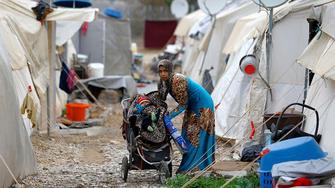
The article by Ioannis Antypas and Zehra Yildiz examines the EU-Turkey deal aimed at managing the flow of migrants into Europe. The European Commission considers the deal a success, citing reduced immigration figures and project delivery. However, Turkish President Recep Tayyip Erdogan criticizes the EU for delays in funding, with only a fraction of the promised €3 billion delivered. The article discusses the upcoming meeting in Varna to negotiate further funding and delves into the distribution of the first tranche of EU funding. It highlights the significant role of the United Nations' World Food Program and the Turkish Red Crescent in implementing the Emergency Social Safety Net. Concerns are raised about the transparency and efficiency of fund usage, with claims that refugees receive only a small percentage of the intended aid. The article also touches on the political dynamics between the EU and Turkey, including Turkey's actions in Syria and the EU's stance on Turkish human rights issues.
EU-Turkey migrant dealRefugee crisisEU funding for refugeesMigrant integration and supportEuropean UnionTurkeySyriaEuropean CommissionRefugee Research Center in Turkey (GAV)United Nations' World Food ProgramTurkish Red CrescentJohannes Hahn
Reporting styleBalanced
OpinionatedFactual
Is the gender divide in science fiction closing?
Equaltimes21 Feb 2018English
The article discusses the under-representation of women in cinema and television, focusing on the Star Wars franchise. It references Virginia Woolf's commentary on women's historical anonymity and introduces the Bechdel Test, a measure of female presence in films. The article details the cultural impact of Star Wars and its acquisition by Disney, which aimed to improve gender balance by introducing a female lead in 'The Force Awakens'. An analysis of Star Wars scripts from IMSDB and character genders from IMDB reveals that male characters have historically had more dialogue than female characters, with some improvement in recent films. Despite Disney's efforts, the article concludes that while there is a pattern of improvement, male characters still dominate screen time and dialogue in the franchise.
Gender Representation in FilmCinema and TelevisionStar Wars FranchiseHollywoodIMDBIMSDBVirginia WoolfAlison BechdelGeorge LucasJ.J. AbramsDaisy RidleyAnakin
Reporting styleBalanced
OpinionatedFactual
Lobbyists spent a record €1.7 billion influencing the European institutions in 2016
Politico13 Dec 2017English
The article discusses the record €1.7 billion spent on lobbying the European institutions in 2016, highlighting the dominance of older EU member countries in this spending. It notes that Belgium, Germany, the U.K., and France are the top spenders, with Central and Eastern European countries lagging behind. The article mentions Jan Němec's efforts to set up a trade association for Czech and Slovak transport associations in response to the lobbying imbalance. Arnaldo Abruzzini of Eurochambres and Daniel Freund of Transparency International EU provide insights into the reasons behind the disparity. The EU's transparency register is critiqued for its voluntary nature and lack of external audit. POLITICO's analysis of the register's data reveals that corporate interests far outweigh NGO spending on lobbying. The article also touches on the lobbying efforts of non-EU countries like Morocco and Kenya and the growing awareness of lobbying's importance in newer EU member states and the Western Balkans.
Lobbying in the European UnionEU Transparency RegisterInfluence of Lobbying on EU PolicyDisparity in Lobbying between EU Member StatesEuropean UnionCentral and Eastern EuropeWestern EuropeEuropean ParliamentEuropean CommissionCenter for Responsive PoliticsEuropean Trade Union ConfederationJan Němec
We respect your privacy and use a limited number of cookies to provide essential functionality and enhance your visit. No third-party advertising cookies involved. For more details, please read our Cookie Policy.