Engager des journalistes

Éditeurs et diffuseurs Équipes de marketing de contenu Équipes RP et communication Équipes risques et renseignement Trouver des journalistes Veille médias Tarifs

Pour les journalistes

Offres d'emploi en journalisme Tarifs Créez votre profil gratuit

À propos de Irina

Irina est journaliste visuelle, productrice et réalisatrice basée à Moscou, Russie. Elle détient un Masters Degree in Journalism from the University of British Columbia. Prête à voyager. Elle collabore avec AJ+, BBC, BBC Reel, Fusion, Sky News, News Deeply, International News Services, Global Reporting Centre, PearProduction, Microsoft, Womankind Magazine Matériel : Sony a7s iii + objectifs Sony Micro Rode monté sur caméra Micro-cravate Rode

Langues
anglais français italien
Vu dans
BBC EL IMPARCIAL | Noticias de México y el mundo Euronews Semana.com Últimas Noticias de Colombia y el Mundo

Travaux 11

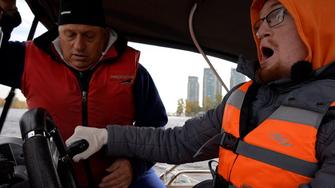
The Russian entrepreneur changing attitudes towards people with disabilities

Euronews 8 nov. 2021 English

Ivan Bakaidov, a Russian entrepreneur with cerebral palsy, developed a virtual keyboard inspired by Stephen Hawking's voice device to help a classmate communicate. This led to the founding of LINKa, a company providing free speech synthesiser software for people with various disabilities. Ivan's work has significantly improved communication for individuals with cerebral palsy, autism, and stroke recovery, and has helped shift societal attitudes towards people with disabilities. His personal journey and active lifestyle further inspire and promote independence among those with speech impairments.
Disability Advocacy Technology for Disabilities Russia LINKa Ivan Bakaidov Lina Stephen Hawking Tatyana Novikova Lera LINKa device speech synthesiser software eye tracker
Style rédactionnelInformatif

Mostly factual with some subjective statements about personal experiences and motivations.
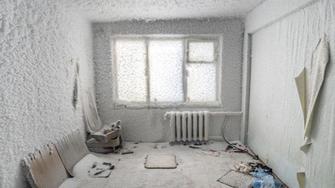
The Arctic Capital of the World

Vidéo BBC Reel 12 mai 2021 English

Vorkuta, a remote Russian city north of the Arctic Circle, is reachable by a two-day train journey from Moscow. The video explores its origins as a gulag, its growth as a prosperous mining town in the 1970s and 1980s, and its uncertain future as Russia's fastest-dying city. It also considers the online meme that dubbed Vorkuta the “Capital of the World.”

Vorkuta Arctic Russia Gulag history Mining towns Urban decline Russia Arctic Irina Sedunova Anna Bressanin
Style rédactionnelÉquilibré

Primarily descriptive, with some evocative characterization of Vorkuta's beauty and harsh conditions.

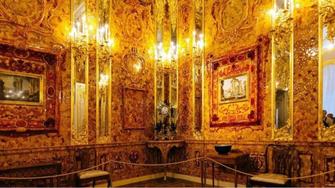
The Amber Room, the 'Eighth Wonder of the World' that the Nazis Disappeared and Russia Took 23 Years to Rebuild

Semana 10 mai 2021 Spanish

The Amber Room, originally designed for Prussian royalty and later gifted to Russian Tsar Peter the Great, was a lavish chamber adorned with amber panels, gold leaf, mosaics, and mirrors. It was dismantled and taken by the Nazis during World War II, and its whereabouts remain a mystery. Despite extensive searches, the room was never found, leading to concerns about its potential deterioration over time. In 1979, the Soviet Union began reconstructing the Amber Room using remaining relics and photographs, completing the project in 23 years. The replica now resides in the Catherine Palace in St. Petersburg, showcasing the historical and artistic significance of the original.

History World War II Art and Culture Russia Germany Prussia Nazi Germany Soviet Union Museum of History and Art of Kaliningrad Museum Regional del Ámbar de Kaliningrado State Museum of Tsarskoye Selo Anatoly Valuev
Style rédactionnelInformatif

Mostly factual with some interpretative elements

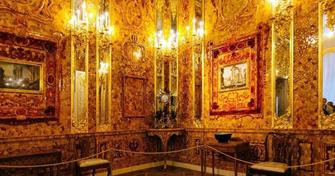
The Amber Room, the 'eighth wonder of the world' that the Nazis disappeared and Russia took 23 years to rebuild

El Imparcial 10 mai 2021 Spanish

The Amber Room, a lavish chamber originally designed for Prussian royalty and later gifted to Russia, was dismantled by the Nazis during World War II and its whereabouts remain a mystery. Despite extensive searches, the room was never found, leading to a 23-year reconstruction effort by the Soviet Union. The recreated Amber Room is now displayed in the Catherine Palace in St. Petersburg, showcasing the historical and artistic significance of the original masterpiece.

History World War II Art and Culture Russia Germany Prussia Nazi Germany Soviet Union Russian Federation Frederick I Peter the Great Francesco Bartolomeo Rastrelli
Style rédactionnelInformatif

Mostly factual with some subjective statements about the historical significance and beauty of the Amber Room.

Russia's "eighth wonder of the world"

BBC Travel 7 mai 2021 English

The Amber Room, an ornate chamber made from six tonnes of amber and originally created for Prussian royalty, was gifted to Peter the Great and installed at Catherine Palace near St Petersburg. Nazi forces dismantled and transported it to Königsberg during World War Two, but it disappeared before the Red Army captured the city in 1945. Decades of searches found no definitive trace, while experts warn that any surviving amber would be extremely fragile. Using one box of original fragments and 86 prewar photographs, the Soviet Union reconstructed the room over 23 years; the recreation is now displayed at Catherine Palace.

Amber Room World War Two Cultural Heritage Russian History Art Restoration St Petersburg, Russia Kaliningrad, Russia Prussia, Germany Tsarskoye Selo State Museum and Heritage Site Kaliningrad Regional Amber Museum Kaliningrad History and Arts Museum Red Army
Style rédactionnelInformatif

Predominantly factual historical reporting, with some evocative descriptive language about the Amber Room.

The USSR’s secret Siberian 'democracy'

BBC 26 juin 2020 English

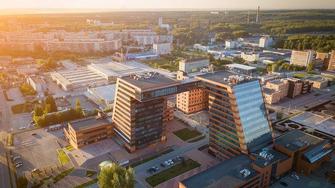
In the Siberian town of Akademgorodok, residents experienced a unique cultural freedom during the USSR era, making it a significant research hub. Conceived in the late 1950s by mathematician Mikhail Lavrentyev and Premier Nikita Khrushchev, the town thrived in the 1960s with numerous science and technology institutes. However, political conservatism in the late 1960s led to the shutdown of social clubs. Despite the collapse of the Soviet Union in 1991, the Russian government reinvested in the town in the mid-2000s, attracting international tech companies and shifting its research focus to technology innovation.

History Science and Technology Cold War Akademgorodok Novosibirsk Russia USSR Communist Party Novosibirsk State University Mikhail Lavrentyev Nikita Khrushchev
Style rédactionnelInformatif

Mostly factual with some subjective descriptions of the town's cultural atmosphere.

The USSR’s secret Siberian 'democracy'

BBC 26 juin 2020 English

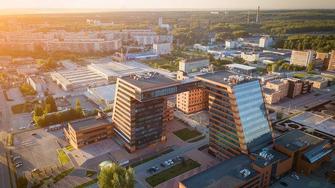
In the Siberian town of Akademgorodok, residents experienced unique cultural freedom during the USSR era, making it a significant research hub. Conceived in the late 1950s by mathematician Mikhail Lavrentyev and then-premier Nikita Khrushchev, the town flourished with numerous science and technology institutes. Despite political conservatism in the late 1960s leading to the shutdown of social clubs, the town continued to thrive academically. Post-Soviet Union collapse, the town saw a decline but was revitalized in the mid-2000s with government reinvestment and the establishment of international tech companies.

History Science and Technology Cold War Akademgorodok Novosibirsk Russia USSR Communist Party Novosibirsk State University Mikhail Lavrentyev Nikita Khrushchev
Style rédactionnelInformatif

Mostly factual with some subjective descriptions of cultural freedom and social life.

On a September night in 1983, Soviet lieutenant colonel Stanislav Petrov stood guard at a satellite-based missile launch detection system. When the alarm went off, announcing that the US had attacked, Petrov had thirty minutes to decide...

Vidéo YouTube

A German city before World War Two and geographically disconnected from the rest of Russia, Kaliningrad remains a mystery to many mainland Russians and their European neighbours.

Vidéo YouTube

The academic town of Akademgorodok in Siberia was created by Russian mathematician Mikhaïl Alekseïevitch Lavrentiev, who wanted to install a safe haven for scientists in the middle of Siberia.

Vidéo YouTube

Voir les 11 réalisations avec un compte gratuit

Recruter Message
×

Inscrivez-vous pour envoyer un message à Irina

Vous avez déjà un compte ? Se connecter
Vous cherchez du travail ? S'inscrire en tant que journaliste
Vérifiez votre e-mail pour finaliser l'inscription
Nous venons d'envoyer un e-mail à . Veuillez consulter votre boîte de réception et cliquer sur le lien pour vérifier votre adresse e-mail et finaliser votre inscription. Si vous ne voyez pas l'e-mail, pensez à vérifier votre dossier spam ou courrier indésirable.
Vous n'avez pas reçu l'e-mail ?

Inscrivez-vous pour débloquer les profils

Vous avez déjà un compte ? Se connecter
Vous cherchez du travail ? S'inscrire en tant que journaliste
Vérifiez votre e-mail pour finaliser l'inscription
Nous venons d'envoyer un e-mail à . Veuillez consulter votre boîte de réception et cliquer sur le lien pour vérifier votre adresse e-mail et finaliser votre inscription. Si vous ne voyez pas l'e-mail, pensez à vérifier votre dossier spam ou courrier indésirable.
Vous n'avez pas reçu l'e-mail ?