Publishers & Broadcasters Content Marketing Teams PR & Comms Teams Risk & Intelligence Teams Journalists & News Professionals Media Monitoring Pricing

About Isabelle

Isabelle Gerretsen is a freelance journalist based in London, United Kingdom, who writes about climate, the environment and sustainability. She writes for the BBC, CNN, Climate Home News and The Independent.

Languages
Portuguese Spanish Dutch English
Seen in
BBC Climate Home News G1 Terra Elimparcial Acervo Chinadialogueocean Opovo Sifted CNN Estado de Minas Organic Consumers Yahoo Noticias Alliancemagazine Eltiempo CauseAction Climate Change Dispatch LA NACION Scroll.in Eandt Es Us 24Horas Endseurope Rsn Www1

Work 164

Orcas vs. great white sharks: The bloody battle between the ocean’s top predators that has scientists baffled

Yahoo Noticias 18 Oct 2026 Spanish

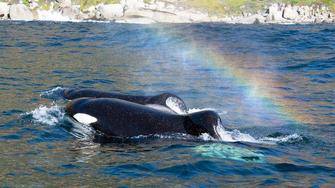
Orcas have been documented killing great white sharks in South Africa, the Gulf of California, Australia and elsewhere, often turning the sharks onto their backs and eating their energy-rich livers. Researchers describe the hunts as coordinated, sophisticated behavior that may be learned within family groups. The attacks, together with warming waters and other pressures, are prompting great whites to abandon established habitats. Their displacement is reshaping local food webs, affecting species including African penguins, seals and smaller sharks, while adding to concerns about already vulnerable shark populations.

Orca predation Great white sharks Marine ecosystems Climate change Wildlife conservation South Africa Gulf of California, Mexico Australia Rhodes University University of Western Australia University of California, Davis Conexiones Terramar
Reporting styleFactual

Primarily factual reporting based on researchers’ observations and studies.
What Images of an Elephant Carrying a Dead Calf Reveal About Animal Grief

Correio Braziliense 17 Oct 2026 Portuguese

Photographer Federico Veronesi’s award-winning image shows a Namibian desert elephant carrying a stillborn calf. Conservation director Christin Winter says the 14-year-old female was not the calf’s mother and has repeatedly carried other elephants’ stillborn calves since losing her own. Experts suggest the behavior may reflect emotional processing, trauma, or an attempt to protect the body, while observations of elephants attending to dead companions provide further evidence of grief-like behavior. Namibia’s desert elephant population has declined amid prolonged drought and conflict with people over water. High newborn mortality may be linked to premature births and chronic stress; EHRA is collaborating with researcher Daniella Chusyd on a study of environmental and physiological factors through 2028. Elephant expert Joyce Poole also criticizes sport-hunting licenses, while Veronesi hopes the image will encourage people to value individual elephants and their welfare.

Animal Grief Elephant Behavior Wildlife Conservation Namibian Desert Elephants Human-Wildlife Conflict Environmental Stress Namibia Kenya United States Elephant Human Relations Aid (EHRA) Elephant Voices Natural History Museum, London
Reporting styleInterpretive

Mostly reported information, but includes emotionally charged descriptions and quoted advocacy for elephant welfare and conservation.

What images of an elephant carrying a dead calf tell us about animal grief

BBC News Brasil 17 Oct 2026 Portuguese

Photographer Federico Veronesi documented a Namibian elephant carrying a stillborn calf that was not her own. The 14-year-old female, who lost her own calf two years earlier, has reportedly carried other dead calves on four occasions, a behavior researchers say may reflect grief, trauma or an attempt to protect the bodies. Experts describe elephant mourning behaviors, while conservationists warn that Namibia’s desert elephant population is declining amid drought and conflict with people over water. Researchers are investigating whether environmental stress, chronic stress and inbreeding contribute to high calf mortality; an EHRA study is planned through 2028. Conservationist Joyce Poole also criticizes sport-hunting permits, and Veronesi argues that conservation should protect individual elephants as well as the species.

Animal Grief Elephant Behavior Wildlife Conservation Desert Elephant Population Decline Human-Wildlife Conflict Namibia Huab River Kenya Elephant Human Relations Aid (EHRA) Elephant Voices Natural History Museum, London Government of Namibia
Reporting styleInformative

Primarily factual reporting, with some emotive language and quoted advocacy about elephant welfare and conservation.

What images of an elephant carrying a dead calf reveal about animal grief

BBC News Brasil 17 Oct 2026 Portuguese

A prize-winning photograph by Federico Veronesi documents a Namibian desert elephant carrying a stillborn calf that belonged to another female. Conservation director Christin Winter says the 14-year-old elephant has repeatedly carried other females’ stillborn calves since losing her own, a rare behavior that may reflect emotional processing or an attempt to protect the bodies. The account also highlights the decline of Namibia’s desert elephant population, linking it to prolonged drought, conflict with people over water, and high calf mortality. Researchers are investigating whether chronic stress and environmental factors contribute to premature births and deaths. Elephant expert Joyce Poole urges greater protection, while Veronesi argues that conservation should consider the well-being of individual elephants as well as the survival of the species.

Animal Grief Elephant Behavior Wildlife Conservation Human-Wildlife Conflict Climate Change Namibia Kenya United States Elephant Human Relations Aid (EHRA) Elephant Voices Natural History Museum, London Government of Namibia
Reporting styleInformative

Primarily factual reporting, while incorporating emotional descriptions and conservation advocates’ opinions.

What Images of an Elephant Carrying a Dead Calf Reveal About Animal Grief

O Povo (BBC News Brasil) 17 Oct 2026 Portuguese

Photographer Federico Veronesi’s award-winning image shows a Namibian desert elephant carrying a stillborn calf, behavior later found to have occurred repeatedly in a 14-year-old female that lost her own calf. Experts suggest the carrying may reflect grief, trauma, or an effort to protect the body, while noting that elephant mourning is also observed in other contexts. Namibia’s desert elephant population has declined amid prolonged drought, conflict with people over water, and exceptionally high calf mortality. The conservation group EHRA is investigating possible environmental and chronic-stress effects, while researchers plan to examine health indicators and genetic factors. Conservationists say the elephants’ emotional lives and individual welfare deserve greater attention.

Animal Behavior Elephant Grief Wildlife Conservation Namibian Desert Elephants Human-Wildlife Conflict Namibia United Kingdom United States Elephant Human Relations Aid (EHRA) Elephant Voices Natural History Museum, London Government of Namibia
Reporting styleInformative

Primarily factual reporting with attributed expert views and a conservation appeal.

Orcas vs. Great White Sharks: The Bloody Battle Between Marine Apex Predators Baffling Scientists

BBC News Mundo 16 Oct 2026 Spanish

Orcas have been documented killing great white sharks in South Africa, Mexico, California and Australia, often turning the sharks onto their backs to immobilize them and eating their energy-rich livers. Researchers say coordinated hunting, social learning and, in some cases, attacks by individual orcas enable this behavior, though it remains unclear whether the tactic is new or simply more visible because of drones and cameras. Great whites are leaving traditional gathering areas where orcas appear, adding pressure to already declining populations. Their disappearance is also reshaping marine food webs, affecting prey and other species, including endangered African penguins.

Orca predation Great white sharks Marine ecosystems Wildlife conservation Climate change South Africa Gulf of California, Mexico Australia University of Rhodes University of Western Australia University of California, Davis Stellenbosch University
Reporting styleFactual

Evidence-based science reporting, with expert testimony and research findings; conclusions are presented cautiously.

Orcas vs Great White Sharks: The Brutal Battle Between the Ocean's Top Predators

BBC Future 16 Oct 2026 English

Scientists have documented orcas killing great white sharks and selectively eating their energy-rich livers, with cases reported in South Africa, California, and Australia. Orcas can coordinate to overturn sharks and induce tonic immobility, while some, including the orca Starboard, have demonstrated they can hunt alone. Researchers say the behavior may be learned within orca groups and may have been occurring unnoticed before drones and underwater cameras made it easier to observe. In South Africa, great whites abruptly disappeared from former gathering areas after attacks; warming waters may also bring sharks and orcas into closer contact in some regions, creating new opportunities for predation and potentially altering marine ecosystems.

Orca predation Great white sharks Marine ecosystems Animal behavior Climate change and wildlife South Africa Gulf of California Australia Rhodes University University of Western Australia University of California, Davis SeaDoc Society
Reporting styleFactual

Predominantly factual reporting, grounded in scientific observations and expert interviews.

The moving photos of an elephant who has not overcome the death of her calf—and what they reveal about animal grief

Yahoo Noticias 14 Oct 2026 Spanish

Photographer Federico Veronesi documented a 14-year-old Namibian desert elephant carrying a stillborn calf that was not her own. Conservation director Christin Winter says the elephant has carried other elephants’ stillborn calves on four occasions since losing her own calf two years earlier; the behavior may reflect emotional processing or an effort to protect the body. The images, one of which won the 2026 Wildlife Photographer of the Year competition, draw attention to elephant grief and the vulnerability of Namibia’s desert elephant population. Experts point to prolonged drought, conflict with people over water, and unusually high newborn mortality as major concerns. Researchers are examining environmental contaminants, stress hormones, and possible inbreeding, while conservationists call for stronger protections.

Elephant behavior and grief Namibian desert elephants Wildlife conservation Human-wildlife conflict Elephant calf mortality Namibia Huab River Kenya Natural History Museum, London Indiana University Bloomington Government of Namibia Federico Veronesi
Reporting styleInformative

Mostly fact-based reporting, with emotional descriptions and quoted opinions from photographers and conservation experts.

The moving photos of the elephant who has not been able to get over the death of her calf—and what they reveal about animal grief

Yahoo Noticias 14 Oct 2026 Spanish

Photographer Federico Veronesi photographed a 14-year-old Namibian desert elephant carrying a stillborn calf that was not her own. The elephant had lost her own calf two years earlier and has since been seen carrying other stillborn calves on four occasions. Researchers suggest the behavior may reflect emotional processing or an attempt to protect the calf, while experts describe elephants as capable of grief. Namibia’s desert-elephant population has declined amid drought and conflict with people over water; newborn mortality is also high, with only two of 16 calves surviving between 2014 and 2022. Elephant Human Relations Aid and researcher Daniella Chusyd are investigating possible environmental and chronic-stress factors. The award-winning photographs are intended to encourage understanding of elephant emotions and support their protection.

Animal Grief Elephant Behavior Wildlife Conservation Namibia Desert Elephants Human-Wildlife Conflict Namibia Kenya United States Elephant Human Relations Aid Elephant Voices Natural History Museum, London University of Indiana Bloomington
Reporting styleInformative

Primarily factual reporting based on researchers' statements and observations, with some emotionally evocative framing.

Emotional photos of the elephant who could not overcome the death of her calf—and what they reveal about animal grief

BBC News Mundo 14 Oct 2026 Spanish

Photographer Federico Veronesi documented a 14-year-old Namibian desert elephant carrying a stillborn calf, a behavior she has reportedly repeated after losing her own calf. Conservationist Christin Winter suggests it may reflect emotional processing or an effort to protect the body, while elephant expert Joyce Poole describes similar grieving behavior and urges greater protection. Namibia’s desert elephant population has declined amid prolonged drought and escalating conflict with people over water. New research is examining whether chronic stress, environmental contaminants, and inbreeding contribute to very high newborn mortality. Veronesi’s award-winning photographs are intended to deepen understanding of elephants’ emotional lives and the need to protect individual animals.

Animal grief Elephant behavior Namibian desert elephants Wildlife conservation Human-wildlife conflict Drought and environmental stress Namibia Huab River Kenya Natural History Museum, London Indiana University Bloomington Government of Namibia
Reporting styleInformative

Primarily factual reporting based on expert accounts and research, with some emotionally evocative language.

Sign up free to see all 164

Other journalists in London

View all journalists in London
Hire Message
×

Sign up to message Isabelle

Already have an account? Log in
Looking for work? Register as a Journalist
Verify your email to complete registration
We’ve just sent an email to . Please check your inbox and click the link to verify your email address and complete your registration. If you don’t see the email, be sure to check your spam or junk folder.
Didn’t receive the email?

Sign up to unlock profiles

Already have an account? Log in
Looking for work? Register as a Journalist
Verify your email to complete registration
We’ve just sent an email to . Please check your inbox and click the link to verify your email address and complete your registration. If you don’t see the email, be sure to check your spam or junk folder.
Didn’t receive the email?