Journalisten engagieren

Verlage & Sender Content-Marketing-Teams PR- & Kommunikationsteams Risiko- & Intelligence-Teams Journalisten finden Medienbeobachtung Preise

Für Journalisten

Stellenangebote im Journalismus Honorare und Tarife Kostenloses Profil erstellen

Über Jacobo

Ursprünglich aus Ecuador. Bachelor in Political Science von Tec de Monterrey. Ich habe in verschiedenen Teilen Südamerikas, Mittelamerikas, Nordamerikas, der Karibik, Asiens und Europas gelebt. Derzeit reise ich freiberuflich durch verschiedene Teile Südamerikas und konzentriere mich auf wirtschaftliche Themen. http://**********/

Sprachen
Englisch Französisch Portugiesisch Spanisch
Gesehen in
WITNESS Blog Tech Policy Press Deamericasoy Worldprivacyforum

Arbeiten 13

EU AI Act Transparency Rules Are Now In Effect. Was It a Missed Opportunity?

Tech Policy Press 3. Aug. 2026 English

The EU AI Act’s transparency rules have entered into force, requiring providers and deployers to disclose AI-generated or manipulated content. The authors welcome requirements for metadata, watermarking, detection tools, interoperability, privacy and accessible disclosures, but argue that optional provenance information, weak obligations for open-weight models, limited oversight and unreliable detection undermine the framework. They warn that vague and broad exemptions—including personal use, minor edits and technically infeasible real-time labeling—could leave harmful viral deepfakes insufficiently regulated. Effective protection will require durable provenance, meaningful labeling, stronger enforcement and recourse for victims, while preserving safeguards against censorship and over-removal.

EU AI Act AI Transparency Synthetic Media Content Provenance Deepfakes AI Regulation Online Safety Misinformation European Union Brussels United States European Commission
BerichtsstilInterpretierend

Strongly analytical and critical, advocating for stronger provenance, labeling, enforcement and victim recourse while assessing the regulation’s shortcomings.

Politischer KontextMitte-links

Supports stronger government regulation of AI-generated content, robust protections for victims and civil-society oversight, while also warning against over-removal of satire, dissent and human-rights documentation.

India Bets on AI Detection. Every Regulator Should Watch What Happens Next.

Tech Policy Press 18. Feb. 2026 English

India’s 2026 IT rules make platforms responsible for detecting and acting on synthetically generated content, with potential loss of safe-harbor protection for noncompliance. The authors argue that current detection tools are too unreliable for this role and that the rules’ asymmetric liability structure will encourage platforms to remove authentic content preemptively, without notification or appeal safeguards. They recommend interoperable, cryptographically secured and privacy-preserving provenance systems, with responsibilities shared by AI developers, deployers and intermediaries. India’s approach is contrasted with China’s more standardized but surveillance-prone model, while the EU and California are urged to address similar design issues before their frameworks are finalized.

Artificial Intelligence Regulation Synthetic Media AI Detection Content Provenance Platform Liability Freedom of Expression Digital Rights India European Union California Ministry of Electronics and Information Technology Internet Freedom Foundation
BerichtsstilInterpretierend

Strongly argued policy perspective advocating provenance standards and criticizing India's reliance on unreliable AI detection tools.

Politischer KontextMitte-links

The article emphasizes human rights, privacy, freedom of expression and safeguards against platform over-removal while advocating stronger regulation of AI systems.

Privacy, Identity and Trust in C2PA: A Technical Review and Analysis of the C2PA Digital Media Provenance Framework

World Privacy Forum 3. Sept. 2025 English

The report provides an in-depth technical analysis of the C2PA framework, which enables detailed tracking of digital media provenance, including how content is created, edited, and distributed. It outlines how C2PA metadata can include granular information about devices, locations, timestamps, editing actions, and use of AI systems, and how this metadata is validated through cryptographic mechanisms and trust lists. The analysis highlights significant intersections with privacy and identity, emphasizing risks related to metadata exposure, redaction limits, identity verification processes, and potential misuse by malicious actors or state entities. The document explains the evolution of identity handling within C2PA, including the transition of identity-related specifications to CAWG and integration with broader digital identity systems. It also describes C2PA’s trust model, technical limitations, interoperability challenges, and early implementations across cameras, AI platforms, media organizations, and content delivery systems. The findings indicate that C2PA influences privacy, identity, and digital trust measurement while presenting substantial technical and governance considerations for its adoption.

Digital media provenance Privacy and identity AI governance Content authenticity Coalition for Content Provenance and Authenticity (C2PA) Creator Assertions Working Group (CAWG) Decentralized Identity Foundation W3C World Privacy Forum Kate Kaye Pam Dixon John Emerson
BerichtsstilInformativ

Largely technical and analytical with minimal subjective opinion

Vaults Full of Values

WITNESS Blog 2. Mai 2024 English

WITNESS launches the #ArchiveLife campaign to promote community video archiving as a tool for preserving collective memory and supporting human rights movements. The initiative emphasizes the importance of archiving in resisting oppressive forces and highlights WITNESS's collaborations with various organizations to provide resources and guidance. The campaign aims to raise awareness and engage communities in documenting and preserving their histories, with a focus on social justice and decolonization.

Video Archiving Human Rights Community Activism Global WITNESS Berkeley Copwatch El Grito Mnemonic Rohingya Vision C2PA Texas After Violence Project Meghana Bahar
BerichtsstilInterpretierend

The text is largely opinion-based, discussing the importance and impact of community video archiving as a political and social tool.

Politischer KontextLinks

The article discusses themes of decolonization, social justice, and community empowerment, aligning with leftist ideologies.

Fortifying the Truth in the Age of Synthetic Media and Generative AI

WITNESS Blog 1. Dez. 2023 English

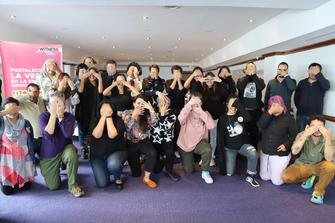
WITNESS hosted a workshop in Bogotá, Colombia, bringing together journalists, fact-checkers, technologists, and human rights defenders from South America and Mexico to discuss the impact of generative AI and synthetic media on audiovisual witnessing. Key concerns included the use of these technologies in elections, gender-based violence, and attacks on civil society. Participants emphasized the need for legal and technical infrastructure to counteract disinformation and the importance of media literacy. The workshop highlighted the double-edged nature of AI, advocating for community-led development and inclusive tech governance to mitigate potential harms.

Generative AI Synthetic Media Human Rights Disinformation Media Literacy Latin America Colombia Mexico WITNESS Maduro regime Mexican opposition Xóchitl Gálvez
BerichtsstilAusgewogen

Balanced discussion of both opportunities and threats of generative AI and synthetic media.

Violence Against Indigenous Leaders and Environmental Defenders in Abya Yala

Blog 7. März 2023 English

The article is a statement from the CORAL network, expressing concern and condemnation of recent violence in Ecuador and Mexico against indigenous peoples and environmental defenders. In Ecuador, the government's push for oil production has led to the murder of Eduardo Mendúa, a defender of the Kofán people's rights. The network demands that the Ecuadorian government adhere to constitutional laws for prior consultation with indigenous communities before extractive activities. In Mexico, the disappearance of Ricardo Arturo Lagunes Gasca and Antonio Díaz Valencia, who were supporting indigenous communities against mining, highlights the issue of impunity in crimes against territory guardians. The network calls for an end to violence against indigenous leaders, respect for self-determination, initiation of consultation processes, and guarantees of security and justice for victims and their communities.

Human Rights Indigenous Peoples' Rights Environmental Protection Ecuador Mexico Latin America CORAL (Colectivxs Reunidos de América Latina) WITNESS Brazil Eduardo Mendúa Ricardo Arturo Lagunes Gasca Antonio Díaz Valencia
BerichtsstilAusgewogen

Responsible Practices for Synthetic Media Framework Published by Partnership on AI and WITNESS

Blog 28. Feb. 2023 English

The Partnership on AI, in collaboration with WITNESS and other allies, has released the Responsible Practices for Synthetic Media Framework. This document provides guidelines for ethically developing, creating, sharing, and publishing synthetic media. It addresses the roles of various stakeholders in the synthetic media pipeline, from developers to distributors, emphasizing the need for responsible practices to prevent harm. The Framework also discusses the importance of disclosure mechanisms, such as labeling and provenance-capturing technologies, to inform users about AI-created or edited media. WITNESS has contributed to shaping the Framework, reflecting global threats and promoting accountability. The document is not a legal framework but aims to guide the development of enforceable human rights-based principles for synthetic media. It is a living document, open to continuous discussion and evolution, and is part of a broader effort to prepare for the challenges of synthetic media and uphold truth in the digital age.

Ethics in Synthetic Media Artificial Intelligence Human Rights Global C2PA Partnership on AI WITNESS
BerichtsstilAusgewogen

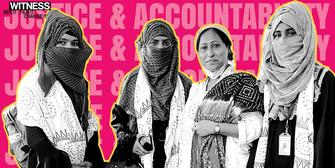
Razia Sultana: Championing the Rights of Rohingya Women

Blog 8. März 2022 English

Razia Sultana, a Rohingya lawyer, activist, and educator, has been advocating for the rights of Rohingya refugees, particularly women and girls who are survivors of sexual and gender-based violence. She has documented their stories through reports like 'Rape by Command' and 'The Killing Fields of Aletankyew', highlighting the systematic use of sexual violence by the Myanmar military. Razia is involved with various organizations, including the Free Rohingya Coalition and the Rights for Women Welfare Society. She has also contributed to psycho-social support programs and has spoken at the UN Security Council. Despite challenges, including community stigma and personal sacrifices, Razia continues her work, emphasizing the importance of women's empowerment and the use of video documentation in legal advocacy. The article was published on International Women's Day 2022, underscoring the plight of Rohingya women and the ongoing efforts to document and address the violence they have endured.

Human Rights Sexual Violence Refugee Crisis Rohingya Genocide Gender-Based Violence Documentary Filmmaking Legal Advocacy Interviewing Survivors International Women's Day Myanmar Bangladesh Cox’s Bazar
BerichtsstilInterpretierend

The rubber hits the road: From niche to potentially systematic use of provenance and authenticity infrastructure

Blog 31. Jan. 2022 English

The Coalition for Content Provenance and Authenticity (C2PA) has released version 1.0 of its Technical Specifications, aiming to establish a system for tracking the source and history of digital media to combat misinformation and disinformation. WITNESS, an organization that has been advocating for human rights for three decades, has influenced the development of these specifications to ensure they empower global users and address human rights concerns. The specifications allow for the creation of tools that can verify the authenticity of digital content, which is crucial for activists and journalists in high-risk environments. However, there are concerns about privacy, security, and accessibility, as well as the potential misuse of the technology. WITNESS has co-chaired the Threats and Harms Taskforce within the C2PA to assess and mitigate potential harms. The organization continues to advocate for a diverse and inclusive C2PA ecosystem that supports human rights defenders and civic journalists worldwide.

Misinformation Disinformation Digital Media Authenticity Human Rights Technology and Privacy Online Trust Global WITNESS Guardian Project Content Authenticity Initiative Coalition for Content Provenance and Authenticity C2PA
BerichtsstilAusgewogen

Media responses to SGBV

Blog 6. Dez. 2021 English

The article, co-authored by Oluwaseun Ayodeji Osowobi, discusses the impact of misinformation and disinformation on sexual and gender-based violence (SGBV) in Africa. It highlights how these false narratives contribute to a culture of silence and shame, impede access to justice, and target human rights defenders. The article also addresses the role of technology in facilitating gendered disinformation, such as the creation of non-consensual deepfakes. WITNESS has launched a media literacy campaign, #VerifyBeforeSharing, to combat misinformation and disinformation. The article further explores the legal aspects of freedom of expression and the challenges faced by women and sexual minorities in accessing justice. It emphasizes the importance of consent education and the need to change societal misconceptions about rape. The Stand To End Rape (STER) Initiative is mentioned as an organization working to amplify women's voices and protect them both online and offline. The authors, Nkem Agunwa and Oluwaseun Ayodeji Osowobi, are introduced with their respective backgrounds and contributions to the fight against SGBV.

Sexual and Gender-Based Violence (SGBV) Misinformation and Disinformation Media Literacy Human Rights Access to Justice Gender Equality Africa Nigeria Stand To End Rape (STER) Initiative International Covenant on Civil and Political Rights (ICCPR) United Nations Oluwaseun Ayodeji Osowobi
BerichtsstilAusgewogen

Alle 13 Arbeiten mit einem kostenlosen Konto ansehen

Engagieren Nachricht
×

Registrieren Sie sich, um Jacobo eine Nachricht zu senden

Haben Sie bereits ein Konto? Anmelden
Suchen Sie Arbeit? Als Journalist registrieren
Verifizieren Sie Ihre E-Mail, um die Registrierung abzuschließen
Wir haben gerade eine E-Mail gesendet an . Bitte prüfen Sie Ihren Posteingang und klicken Sie auf den Link, um Ihre E-Mail-Adresse zu verifizieren und Ihre Registrierung abzuschließen. Falls Sie die E-Mail nicht sehen, prüfen Sie unbedingt Ihren Spam- oder Junk-Ordner.
E-Mail nicht erhalten?

Registrieren Sie sich, um Profile freizuschalten

Haben Sie bereits ein Konto? Anmelden
Suchen Sie Arbeit? Als Journalist registrieren
Verifizieren Sie Ihre E-Mail, um die Registrierung abzuschließen
Wir haben gerade eine E-Mail gesendet an . Bitte prüfen Sie Ihren Posteingang und klicken Sie auf den Link, um Ihre E-Mail-Adresse zu verifizieren und Ihre Registrierung abzuschließen. Falls Sie die E-Mail nicht sehen, prüfen Sie unbedingt Ihren Spam- oder Junk-Ordner.
E-Mail nicht erhalten?