Engager des journalistes

Éditeurs et diffuseurs Équipes de marketing de contenu Équipes RP et communication Équipes risques et renseignement Trouver des journalistes Veille médias Tarifs

Pour les journalistes

Offres d'emploi en journalisme Tarifs Créez votre profil gratuit

À propos de Claude

Claude Kabengera est un journaliste basé à Kigali, au Rwanda. Il a travaillé avec Voice of America à Washington D.C en tant que boursier invité en journalisme et a exercé comme producteur et fixeur pour une enquête sur l'immigration ougandaise vers les États-Unis, une collaboration impliquant NBS TV à Kampala, Ouganda, sur des sujets à San Diego, CA et Boston. Il a également travaillé comme présentateur international au sein du Central Africa Service (Kirundi/Kinyarwanda) de VOA. L'affiliation professionnelle de Kabengera à l'International Center For Journalists lui a permis de se forger une notoriété mondiale en servant une communauté de 180.000 journalistes à travers le monde sur IjNet.org. En tant que 2016/2017 Humphrey Alumni de la Cronkite School of Journalism and Mass Communication à Phoenix, Arizona, Kabengera est apparu dans de nombreuses émissions de télévision américaines, dont PBS et Cronkite News, commentant les élections présidentielles américaines de 2016. L'expérience journalistique de Kabengera découle de son intérêt de longue date pour les droits de l'homme, la justice sociale, la communication de masse internationale, les nouveaux médias et le journalisme de données, ce qui lui a permis d'être accepté comme membre officiel du Central Africa Forum of Journalists for Democracy and Human Rights en 2013.

Langues
anglais kinyarwanda
Vu dans
Ijnet Azpbs

Travaux 4

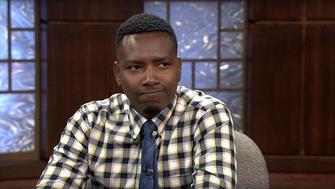
8 PM Special: Foreign Journalists on the Presidential Debate

Azpbs 8 oct. 2016 English

Three foreign journalists participating in the Humphrey Fellows program at the Arizona State University Walter Cronkite School of Journalism and Mass Communication provide their perspectives on the presidential debate. The journalists include Jean Claude Kabengera from Rwanda, Dina Zhansagimova from Kazakhstan, and Ivaylo Vezenkov from Bulgaria.

Presidential Debate Journalism United States Rwanda Kazakhstan Bulgaria Arizona State University Walter Cronkite School of Journalism and Mass Communication Radio/TV10 BBC World Service Private Television Channel in Bulgaria Jean Claude Kabengera Dina Zhansagimova
Style rédactionnelFactuel

The text appears to be a factual announcement of participants in a program.

Airdate: November 16, 2016. Rwandan Journalist Claude Kabengera's insight on US elections - Day 2- Donald Trump elected

Vidéo YouTube

The Power of Investigative Journalism: Uncovering the Truth in 2016

Ijnet English

The article reviews the impact of investigative journalism in 2016, highlighting several key reports that brought significant issues to light. The Panama Papers, released by the International Consortium of Investigative Journalists and partners, exposed offshore financial activities of the elite, leading to global repercussions. The Intercept's investigation into a U.S. military raid in Afghanistan revealed that the victims were government allies, not Taliban militants. The Global Initiative Against Transnational Organized Crime shed light on the criminal networks exploiting refugees. Ojo Público and its partners uncovered the illegal trade of Latin American cultural artifacts. These investigations underscore the role of journalism in uncovering truths and prompting action.

Investigative Journalism Panama Papers Offshore Accounts Military Operations Refugee Crisis People Smuggling Cultural Artifact Trafficking Worldwide Afghanistan Latin America International Consortium of Investigative Journalism Süddeutsche Zeitung

U.S. media outlets and tech giants gear up to combat fake news in 2017

Ijnet English

The article discusses the issue of fake news, particularly in the context of the U.S. presidential election. It highlights a viral tweet by Eric Tucker about paid anti-Trump protesters, which was false, and the spread of a fabricated story by The Denver Guardian. The article notes that fake news has become a significant problem, with social media platforms like Facebook being criticized for not doing enough to prevent the spread of misinformation. Mark Zuckerberg, CEO of Facebook, has stated that identifying the truth is complicated, but the company has started to take measures to combat fake news, including partnering with fact-checking organizations. News outlets like The Washington Post and Slate are also developing technology to help users identify false stories. The article underscores the challenges of media literacy and the public's growing distrust in traditional news sources.

Fake News Presidential Election Social Media Misinformation Media Literacy Fact-Checking United States The New York Times The Denver Guardian Pew Research Center Columbia Journalism Review FactCheck.org PolitiFact

Autres journalistes à Kigali

Recruter Message
×

Inscrivez-vous pour envoyer un message à Claude

Vous avez déjà un compte ? Se connecter
Vous cherchez du travail ? S'inscrire en tant que journaliste
Vérifiez votre e-mail pour finaliser l'inscription
Nous venons d'envoyer un e-mail à . Veuillez consulter votre boîte de réception et cliquer sur le lien pour vérifier votre adresse e-mail et finaliser votre inscription. Si vous ne voyez pas l'e-mail, pensez à vérifier votre dossier spam ou courrier indésirable.
Vous n'avez pas reçu l'e-mail ?

Inscrivez-vous pour débloquer les profils

Vous avez déjà un compte ? Se connecter
Vous cherchez du travail ? S'inscrire en tant que journaliste
Vérifiez votre e-mail pour finaliser l'inscription
Nous venons d'envoyer un e-mail à . Veuillez consulter votre boîte de réception et cliquer sur le lien pour vérifier votre adresse e-mail et finaliser votre inscription. Si vous ne voyez pas l'e-mail, pensez à vérifier votre dossier spam ou courrier indésirable.
Vous n'avez pas reçu l'e-mail ?