Contratar jornalistas

Editoras e emissoras Equipes de marketing de conteúdo Equipes de RP e comunicação Equipes de risco e inteligência Encontrar jornalistas Monitoramento de mídia Preços

Para jornalistas

Vagas de jornalismo Tarifas Crie seu perfil gratuito

Sobre Jimena

Jimena Ledgard é uma jornalista multimídia baseada em Lima, Peru. Cobre meio ambiente, agitação social, política, a guerra às drogas, direitos humanos e tecnologia no Peru, mas também já reportou sobre o México, Venezuela e Chile. Foi beneficiária de bolsas da Fundación Gabo, da Open Society Foundation e da International Women’s Media Foundation. Jimena publica regularmente em meios de comunicação internacionais, trabalhou como fixer para PBS, National Geographic e a Deutsche Welle, e foi apresentadora em frente às câmeras para a ViceTV. Também produziu recentemente "The Catch" para Foreign Policy, um podcast sobre a pesca do lula gigante e o que isso diz sobre o estado dos nossos oceanos. Possui um master's degree in Media da London School of Economics, onde estudou como Chevening scholar. ****

Idiomas
inglês espanhol
Visto em
The Fuller Project Mental Floss Daily Nation Foreign Policy Hakai Magazine Welcome to Hell World Grist Restofworld

Trabalhos 28

The Catch Podcast Season 3

Foreignpolicy 15 out. 2025 English

Season 3 of The Catch, a podcast by Foreign Policy, is set to explore the effects of Russia's war in Ukraine and climate change on the Arctic cod fisheries. Host Ruxandra Guidi will travel to northern Norway to engage with local fishers and processors who find themselves in a challenging situation due to geopolitical tensions and shifting fish migration patterns. Ruxandra Guidi is an experienced journalist with over two decades of storytelling in various formats and has reported extensively across the Americas and the U.S.-Mexico border region.

Climate Change War in Ukraine Fisheries Arctic Norway Russia Foreign Policy

U.S. tech firms are replacing workers with cheaper talent in Latin America

Rest of World 1 fev. 2023 English

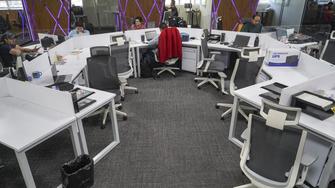
Latin American startups and tech companies are struggling to recruit and retain senior developers as U.S. firms outsource jobs to the region, offering higher salaries than local companies can match. Despite recent tech sector layoffs, experienced developers remain scarce, and Latin American startups are forced to become creative in hiring, such as training junior employees. The Covid-19 pandemic increased remote work opportunities for Latin American developers with U.S. companies, exacerbating the talent crunch for local startups. Salaries in Latin America lag significantly behind those in the U.S., with senior developers in Mexico and Argentina earning much less than their American counterparts. Some Latin American startups have benefited from the influx of available talent, but many still struggle to offer competitive salaries and resort to alternatives like stock options and company culture to attract employees.

Tech Industry Employment Trends Outsourcing Latin America United States Mexico Twitter Meta Techloy Andrea Campos Dusko Kelez Carlos Ganoza Durand
Estilo de reportagemInformativo

Primarily reporting with some analysis

They don’t see us as equals

Welcome to Hell World 1 fev. 2023 English

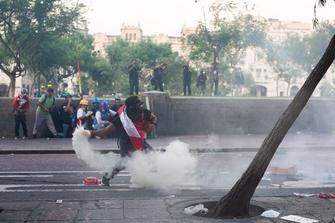
The article reports on the ongoing protests in Peru following the attempted self-coup and removal of President Pedro Castillo. It details the police violence that has resulted in at least sixty deaths and numerous injuries, particularly among indigenous and rural Peruvians. The narrative captures the voices of protesters who feel marginalized and oppressed by the elite, and it highlights the harsh realities faced by those demonstrating against the government. The piece underscores the deep-seated social and political issues in Peru, with a focus on the human cost of the unrest.

Protests Police Violence Social Unrest Peru Lima Puno Peruvian Police Government of Peru Pedro Castillo Víctor Santisteban Yacsavilca Rolando Marcos Arango
Estilo de reportagemInterpretativo

The article contains subjective statements and personal experiences, indicating a mix of opinion and fact.

Contexto políticoEsquerda

The article highlights social inequality and criticizes the actions of the government and police, aligning with leftist perspectives.

Financial Pandemic: In Argentina, even a professional woman feels the pinch

The Fuller Project 16 ago. 2022 English

Silvana Perona, a finance professional who returned to Buenos Aires from Europe during the pandemic, is struggling with Argentina's severe inflation, which has reached its highest in 30 years. Despite a well-paid job, she finds her salary's purchasing power diminishing rapidly, leading her to quit her job after being denied salary indexation. The cost of living, including rent, health insurance, and everyday expenses, has soared, forcing her to cut back on non-essential spending and consider moving abroad again to escape the economic stress.

Economic Crisis Inflation Argentina Buenos Aires Europe Silvana Perona
Estilo de reportagemInformativo

The article contains a personal narrative with subjective experiences, but it also discusses factual economic conditions in Argentina.

How people buy, and how tech intervenes, around the globe

Rest of World 9 ago. 2022 English

The article explores how technology is transforming purchasing behaviors across different regions globally. It highlights exclusive fitness studios in Peru offering remote experiences, the revival of sari interest in Pakistan through online marketplaces, and the challenges of Shariah-compliant e-commerce in Indonesia. It also covers the rise of e-commerce businesses in Colombia via social media, the use of Instagram for seafood delivery in Sri Lanka, and the impact of online meat delivery platforms in India. Additionally, it discusses the role of a small Kenyan airport in high-end electronics imports, the black market for dollars in Lebanon, the reliance on Facebook for baby formula in Vietnam, and the booming livestream e-commerce industry in China.

E-commerce Technology Global Markets Peru Pakistan Indonesia
Estilo de reportagemFactual

Complete fact-based reporting on various e-commerce trends around the world.

Financial Pandemic: For a refugee in crisis-hit Lebanon, even buying bread is a struggle

The Fuller Project 7 jul. 2022 English

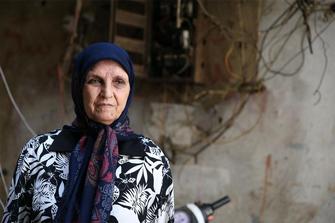
Zahwa Ashwah, a Palestinian refugee in Lebanon, faces severe hardships due to the country's financial crisis. Living in the Burj el Burajneh camp with her three adult children, Ashwah struggles to afford basic necessities like bread and cooking gas, as prices have skyrocketed. The family relies on loans from friends and occasional help from NGOs, including an annual cash handout from UNRWA, which is insufficient. The crisis has also led to electricity shortages, making it difficult to preserve food and heat their home. Health issues are exacerbated by the lack of affordable medical care, and the family faces psychological stress. Despite some assistance, the situation remains dire, with rising crime and violence adding to their worries.

Financial Crisis Refugees Humanitarian Issues Lebanon United Nations agency for Palestinian refugees (UNRWA) Zahwa Ashwah
Estilo de reportagemInterpretativo

The text contains subjective statements and personal experiences, reflecting the struggles and opinions of the refugee.

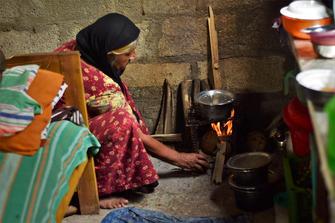
Inflation: Peru woman feeding her community as food prices soar

Nation Africa 24 jun. 2022 English

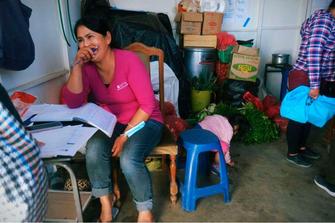
Asencia Tuamana, a community organizer in Cerro Papa, Lima, Peru, started a communal kitchen during the 2020 lockdown to help locals with no income. Despite mockery, the kitchen now serves up to 140 people daily. Rising food prices have forced a 50% increase in meal costs, but Tuamana has limited it to 2-2.5 soles. She faces challenges like vegetable price hikes, gas costs, and market sellers' hostility. Tuamana's vegetable patch has been crucial, especially during farmers' protests. She plans to expand it but needs funds and support, as rising costs threaten her emergency fund. The story is part of a project on how inflation affects women worldwide.

Inflation Community Support Lima, Peru Asencia Tuamana
Estilo de reportagemInformativo

The article presents a personal account and community efforts, but it is largely factual reporting.

Five months later, the Ancón oil spill’s effects linger

Grist 24 jun. 2022 English

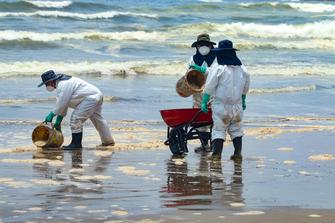
The Ancón oil spill, caused by the Spanish company Repsol, has left the port in Ancón, Peru, nearly inactive and has severely impacted local fishers and communities. Despite initial outrage, the spill has faded from media attention amidst Peru's political crisis. The Peruvian government is pursuing legal action against Repsol, but fishers remain out of work, and seafood eateries are closed. Compensation efforts have been sporadic and incomplete, exacerbating the struggles of affected communities. The spill has disrupted local food security and caused health issues among fishers hired for cleanup. The lack of coordination and transparency in compensation efforts has led to community tensions and calls for more drastic protest measures.

Environmental Disaster Oil Spill Community Impact Ancón Peru United Nations Oceana Peruvian Government Ministry of Health National Consumer Protection Authority National Institute of Civil Defense Juan Carlos Riveros
Estilo de reportagemInterpretativo

The text contains subjective statements and personal beliefs, particularly from affected individuals and advocacy groups.

Financial Pandemic: Around the world, women are bearing the uneven burden of inflation

The Fuller Project 20 mai. 2022 English

Global inflation has reached 9.2% in March, with food and fuel prices soaring, particularly impacting low-income households and those in poor countries. Sub-Saharan Africa sees food costs as high as 40% of spending, with many Kenyan households borrowing to afford food. Protests have erupted in countries like Peru and Sri Lanka due to rising costs. Women, often primary caregivers and in low-paid work, are disproportionately affected by the inflation, having also faced job losses and reduced work hours during the COVID-19 pandemic.

Inflation Gender Inequality Sub-Saharan Africa Kenya Peru Oxfam
Estilo de reportagemInformativo

Mostly factual reporting with some analytical content

Financial Pandemic: ‘Sri Lanka is not a country for poor people now’

The Fuller Project 12 mai. 2022 English

Feroza Hussein, a resident of Colombo, describes the severe financial hardships faced by poor families in Sri Lanka due to skyrocketing prices of essential goods like gas, kerosene, and food. The economic crisis has forced many, including Feroza, to switch from gas to kerosene and eventually to firewood for cooking, despite the increased risks. The cost of living has become unbearable, with basic food items and medicine becoming increasingly unaffordable. The narrative highlights the dire situation for the poor in Sri Lanka amidst the ongoing financial crisis.

Financial Crisis Poverty Inflation Sri Lanka Colombo Government of Sri Lanka Feroza Hussein Gas Kerosene Firewood Rice Flour
Estilo de reportagemOpinativo

Complete opinion based on personal experiences and subjective statements.

Veja todos os 28 trabalhos com uma conta gratuita

Contratar Mensagem
×

Cadastre-se para enviar uma mensagem para Jimena

Já tem uma conta? Entrar
Procurando trabalho? Cadastre-se como jornalista
Verifique seu e-mail para concluir o cadastro
Acabamos de enviar um e-mail para . Verifique sua caixa de entrada e clique no link para verificar seu endereço de e-mail e concluir seu cadastro. Se não vir o e-mail, não deixe de checar sua pasta de spam ou lixo eletrônico.
Não recebeu o e-mail?

Cadastre-se para desbloquear perfis

Já tem uma conta? Entrar
Procurando trabalho? Cadastre-se como jornalista
Verifique seu e-mail para concluir o cadastro
Acabamos de enviar um e-mail para . Verifique sua caixa de entrada e clique no link para verificar seu endereço de e-mail e concluir seu cadastro. Se não vir o e-mail, não deixe de checar sua pasta de spam ou lixo eletrônico.
Não recebeu o e-mail?