
Naeimeh Doostdar
Malmö, Svezia
- Prenotazioni completate
- 7
Sono giornalista e analista con particolare attenzione all'Iran, ai diritti umani e agli sviluppi politici nel Medio Oriente. Il mio lavoro combina reportage sul campo, traduzione di importanti testate internazionali e a…
Visto su Iran International
Who was Majid Khademi, and why does his killing matter?
Stile giornalistico, Interpretativo: Contains strong analytical and interpretive framing with clear subjective judgments alongside factual reporting
Contesto politico, Destra: The article aligns at points with hawkish, interventionist arguments supportive of US and Israeli military pressure on Iran
Majid Khademi, a senior IRGC intelligence figure responsible for counterintelligence and internal repression, was killed in Tehran despite overseeing efforts to prevent infiltration of Iran’s security apparatus. His death is significant because he occupied key roles within the IRGC’s internal protection and intelligence branches and had publicly advocated intensified surveillance and systemic control. The article also details escalating regional tensions, ongoing US‑Iran ceasefire negotiations, and Iranian rejection of temporary truces without long‑term guarantees. It outlines potential consequences of US threats to strike Iran’s energy infrastructure, the risk of broader regional retaliation, and the humanitarian and strategic implications of infrastructure warfare. Additional sections discuss Iran’s use of dual‑use civilian sites, militarization of academic institutions, and the embedding of military assets in civilian areas. Finally, it examines a UAE crackdown on IRGC‑linked financial networks in Dubai and the potential impact on Iran’s offshore economic channels, highlighting the deeper shell‑company structures that sustain Tehran’s sanctions‑evasion system.
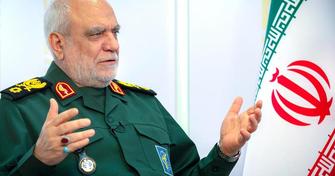
What the Balkans can tell Iranians about life after war
Stile giornalistico, Equilibrato: Mixture of factual reporting with interpretive analysis and personal accounts
Contesto politico, Centro: Covers political conflict without endorsing a partisan stance
Recent Balkan history is used to illustrate how wars generate divergent lived experiences, drawing parallels to Iran as discussions emerge about a possible end to the current conflict. Testimonies from Kosovo and Serbia highlight how military intervention can hold contrasting meanings, from hope to trauma. In Iran, traditional Nowruz preparations have diminished amid war fears, economic strain, and growing public disillusionment. Security forces issue harsh warnings ahead of Charshanbeh Suri while exiled opposition figures call for public participation. Israeli strikes reportedly kill senior Iranian security officials, escalating tensions as Iran faces infrastructure damage and retaliatory attacks. US and Israeli militaries claim extensive strikes on Iranian targets, while intelligence assessments suggest Iran’s political system remains stable. Internet connectivity in Iran has collapsed, leaving most citizens offline and prompting fears over Starlink device detection as authorities tighten control over communications.


