 Jetzt engagieren
 K eine Nachricht senden
Möchten Sie ein Profil wie dieses?
Schließen Sie sich Tausenden von Medienschaffenden an, die journalist.net nutzen, um ihre Arbeit zu präsentieren und von führenden Medien engagiert zu werden.
Loslegen
Sehen Sie, wie es funktioniert
Über Journalist.net in Verbindung treten
1
Verifizierte Fachleute
Jeder Journalist auf dieser Plattform wurde von unserem Londoner Team manuell verifiziert. Sie verbinden sich mit einem bestätigten Medienschaffenden.2
Geschützte Zusammenarbeit
Wir schützen die Kontaktdaten von Journalisten und bieten Versicherungsschutz für alle Buchungen. Beide Parteien arbeiten mit Zuversicht und Sicherheit.3
Sichere Zahlung
Zahlungen werden treuhänderisch gehalten und freigegeben, wenn die Arbeit geliefert wird. Journalisten ist die Zahlung garantiert; Kunden geben ihre Zustimmung, bevor die Gelder endgültig freigegeben werden.Haben Sie noch Fragen?
FAQ ansehenAbout K
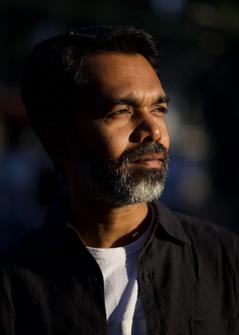
K M Asad is a journalist.K M Asad (1983) is an independent documentary photographer and photojournalist born in Old Dhaka, Bangladesh. Since graduating in photojournalism in 2008, he has worked tirelessly to document critical social, environmental, and humanitarian challenges, primarily in Bangladesh, focusing on the impact on affected communities and individuals.

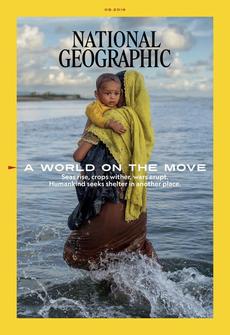
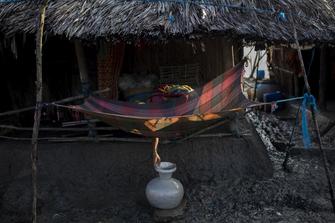
One of Asad's most prominent projects is the long-term documentation of the Rohingya refugee crisis, following the journey of stateless Rohingya who fled violence and persecution in Myanmar and sought refuge in Bangladesh since 2012, and their ongoing struggle for survival. Some of his ongoing long-term projects focus on human-environment interactions, including documenting the impact of climate change on vulnerable coastal communities and the human-elephant conflicts threatening the last wild Asian elephants in Bangladesh.

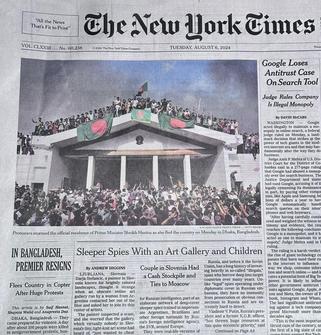
As a photojournalist, Asad regularly covers the aftermath of man-made and natural disasters such as the Rana Plaza garment factory collapse in Bangladesh (2013), the aftermath of the deadly earthquake in Nepal (2015), the student movement that led to the fall of the Bangladesh government (2024), and the devastating floods, cyclones and fires that regularly occur in Bangladesh.

In addition to his documentary work, he has done commissioned work for the United Nations, the World Bank, the European Union, and various international NGOs.

Asad has received numerous honors and awards, including the World Press Photo Award, UNICEF Picture of the Year, Picture of the Year International (POYI), and the Lucie Award (IPA). Some of his photographs are part of the permanent collection of the Kiyosato Museum of Photographic Arts (KMOPA) in Japan.

His work has been published in major global publications such as the National Geographic Magazine, the New York Times, the Washington Post, the Economist.