 Recruter maintenant
 Envoyer un message à K
Vous voulez un profil comme celui-ci ?
Rejoignez des milliers de professionnels des médias qui utilisent journalist.net pour présenter leur travail et être recrutés par les plus grands médias.
Commencer
Découvrez comment ça marche
Connectez-vous via Journalist.net
1
Professionnels vérifiés
Chaque journaliste sur cette plateforme a été vérifié manuellement par notre équipe à Londres. Vous échangez avec un professionnel des médias confirmé.2
Engagement protégé
Nous protégeons les coordonnées des journalistes et fournissons une couverture d'assurance pour toutes les réservations. Les deux parties travaillent en toute confiance et sécurité.3
Paiement sécurisé
Les paiements sont conservés sous séquestre et libérés à la livraison du travail. Le paiement des journalistes est garanti ; les clients approuvent avant que les fonds ne soient finalisés.Vous avez encore des questions ?
Consulter la FAQAbout K
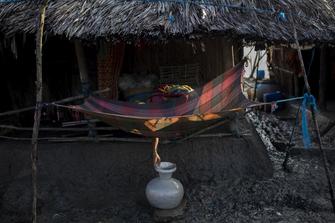
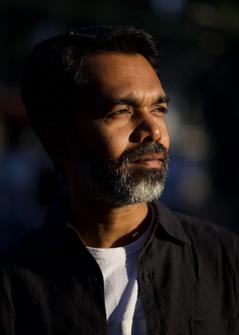
K M Asad is a journalist.K M Asad (1983) is an independent documentary photographer and photojournalist born in Old Dhaka, Bangladesh. Since graduating in photojournalism in 2008, he has worked tirelessly to document critical social, environmental, and humanitarian challenges, primarily in Bangladesh, focusing on the impact on affected communities and individuals.

One of Asad's most prominent projects is the long-term documentation of the Rohingya refugee crisis, following the journey of stateless Rohingya who fled violence and persecution in Myanmar and sought refuge in Bangladesh since 2012, and their ongoing struggle for survival. Some of his ongoing long-term projects focus on human-environment interactions, including documenting the impact of climate change on vulnerable coastal communities and the human-elephant conflicts threatening the last wild Asian elephants in Bangladesh.

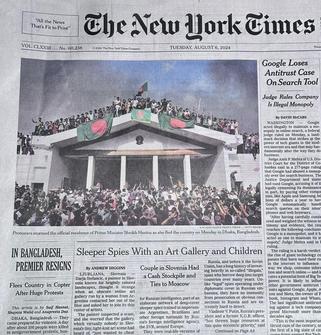
As a photojournalist, Asad regularly covers the aftermath of man-made and natural disasters such as the Rana Plaza garment factory collapse in Bangladesh (2013), the aftermath of the deadly earthquake in Nepal (2015), the student movement that led to the fall of the Bangladesh government (2024), and the devastating floods, cyclones and fires that regularly occur in Bangladesh.

In addition to his documentary work, he has done commissioned work for the United Nations, the World Bank, the European Union, and various international NGOs.

Asad has received numerous honors and awards, including the World Press Photo Award, UNICEF Picture of the Year, Picture of the Year International (POYI), and the Lucie Award (IPA). Some of his photographs are part of the permanent collection of the Kiyosato Museum of Photographic Arts (KMOPA) in Japan.

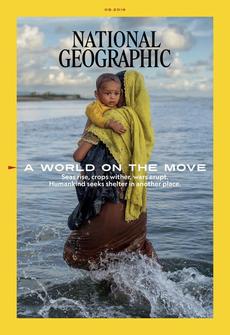
His work has been published in major global publications such as the National Geographic Magazine, the New York Times, the Washington Post, the Economist.