Contratar periodistas

Editoriales y emisoras Equipos de marketing de contenidos Equipos de relaciones públicas y comunicación Equipos de riesgo e inteligencia Encontrar periodistas Monitoreo de medios Precios

Para periodistas

Empleos en periodismo Tarifas Crea tu perfil gratis

Sobre Kirk

Corresponsal en Tokio para USA Today y periodista independiente con base en Tokio. Con experiencia en periodismo impreso, de radiodifusión y en línea. Especializado en defensa, seguridad nacional, relaciones internacionales, negocios y economía. He viajado ampliamente por Japón y la región de Asia-Pacífico y he escrito sobre una amplia variedad de temas. Anteriormente corresponsal de defensa para USA Today en Washington D. C. y para CBS News en Londres; cubrí combates en primera línea en Irak y Afganistán y otros conflictos y entornos hostiles alrededor del mundo. 1990 Jefferson Fellow at East-West Center in Honolulu; B.A. in journalism from the University of Hawaii. Vea **** para clips, audio y video y otros.

Idiomas
inglés japonés
Visto en
USA Today Foreign Policy Navytimes Hattiesburg American RealClearHistory Religion News Service The Times Foreignaffairs Pnj

Trabajo 84

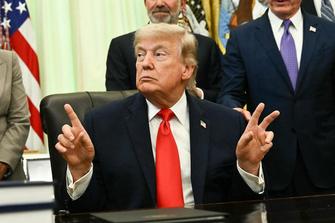
Trump's Iran Deal Ended the War but Won't Bring Peace

Foreign Policy 22 jun 2026 English

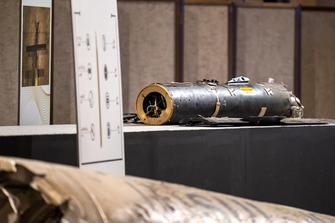
The U.S.-Iran truce is unlikely to lead to lasting peace, with unresolved issues over nuclear activity, financial relief, and regional security creating conditions for continued low-level conflict. Iran’s new leadership is more assertive and distrustful, complicating negotiations, while Israel maintains an aggressive posture that risks derailing progress. Gulf states are increasingly skeptical of U.S. security guarantees, and broader U.S. alliances have been strained by unilateral actions. Divergent priorities, weak trust, and vague agreement terms point to a prolonged period of instability rather than a durable settlement.

U.S.-Iran relations Middle East conflict International diplomacy Iran United States Israel United States government Iranian government Israeli government Hezbollah Hamas International Atomic Energy Agency
Estilo periodísticoEquilibrado

Analytical but includes interpretive judgments about policy motives and outcomes

Contexto políticoCentro

Policy-focused analysis without partisan alignment
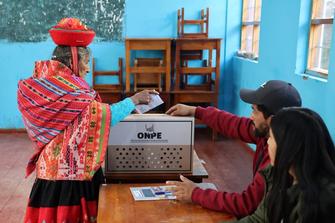
Peru Awaits Election Results in Fujimori-Sánchez Presidential Runoff

Foreign Policy 11 jun 2026 English

Peru’s presidential runoff remains unresolved as Keiko Fujimori and Roberto Sánchez are separated by fewer than 1,000 votes with 98 percent counted. Both campaigns allege ballot irregularities, and the close contest highlights deep political divisions and concerns over governability. Sánchez has appealed to centrists while distancing himself from Pedro Castillo, and Fujimori has moderated her rhetoric. The next administration will face a fragmented congress but may benefit from a restored bicameral legislature that complicates impeachment. The article also links Peru’s vote to emerging right-wing momentum in Latin America and notes upcoming regional elections and diplomatic developments involving Venezuela, India, and Turkey.

Peruvian election Latin American politics Right-wing political shifts Peru Latin America Colombia Peruvian Congress Organization of American States Indian government Keiko Fujimori Roberto Sánchez Alberto Fujimori
Estilo periodísticoInformativo

Mostly factual reporting with minor analytical context

Contexto políticoCentro

Straightforward election analysis without ideological advocacy

Iran Is Now More Dangerous Than Ever

Foreign Policy 11 jun 2026 English

Iran has abandoned its previous strategy of strategic patience and adopted a more assertive, risk‑tolerant approach following major Israeli and U.S. attacks on its territory. Recent missile strikes across the region and direct exchanges with Israel signal Iran’s effort to reshape deterrence dynamics, reinforce its leadership of the Axis of Resistance, and alter the rules of engagement in Lebanon. This shift reflects Tehran’s conclusion that it has little left to lose after surviving repeated attacks on its homeland. As a result, Iran is increasingly willing to escalate, target civilian infrastructure, and challenge regional negotiations, ensuring that Middle Eastern instability will persist.

Iran War Middle East conflict U.S.-Iran relations Israel-Iran tensions Iran Israel Gulf States United States Hezbollah Hamas Houthis Islamic Revolutionary Guards Corps
Estilo periodísticoEquilibrado

Analytical piece with interpretation and argumentation grounded in factual events

Contexto políticoCentro

Analytical foreign‑policy framing without clear ideological alignment

Trump Era Should Force U.S. Allies in Asia to Rethink Strategy

Foreign Policy 11 jun 2026 English

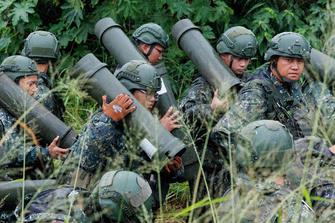
U.S. allies in Asia face growing uncertainty as recent U.S. decisions on arms sales to Taiwan and troop commitments signal declining reliability. European allies have coordinated contingency measures, but Asian partners lack comparable multilateral structures and remain heavily dependent on U.S. support despite economic and strategic disadvantages relative to China. Shifts in U.S. rhetoric and policy toward China raise concerns about the future of regional security arrangements. The article argues that Asian allies must accelerate defense spending, expand joint capability development, deepen regional and European partnerships, and enhance strategic coordination to prepare for a future in which U.S. commitments may weaken and their own cooperation becomes essential for maintaining stability.

U.S. foreign policy China–U.S. relations Asian security alliances Asia United States China U.S. government NATO European Union Donald Trump Xi Jinping Lai Ching-te
Estilo periodísticoInterpretativo

Analytical framing with subjective interpretation of U.S. reliability and strategic needs

Contexto políticoCentro

Policy-focused analysis without partisan advocacy

Trump’s Hormuz Opening Isn’t What It Seems

Foreign Policy 11 jun 2026 English

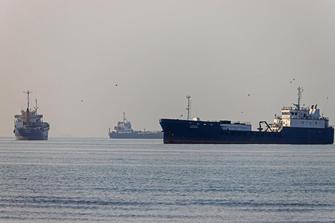
The partial reopening of the Strait of Hormuz relies on U.S.-backed shadow‑fleet tactics that allow ships to evade Iranian monitoring by sailing with transponders off and rerouting near Oman. Oil flows have increased modestly, preventing price spikes, but exports remain far below prewar levels and depend largely on drawing down storage rather than restarting production. The United States and regional producers such as the UAE and Kuwait are enabling limited shipments, often through ship‑to‑ship transfers outside the Gulf. Despite these efforts, U.S. oil inventories are falling sharply, raising concerns about sustainability. The current workaround keeps a fraction of prewar oil moving but remains fragile amid fluctuating U.S. threats toward Iran.

Iran War Oil Markets U.S. Foreign Policy Strait of Hormuz United States Iran U.S. Navy U.S. Central Command Donald Trump Gregory Brew Samir Mandani Aaron Brady
Estilo periodísticoInformativo

Mostly factual analysis with limited interpretive framing

Contexto políticoCentro

Foreign-policy analysis without explicit ideological framing

Trump and Putin's Forever Wars

Foreign Policy 11 jun 2026 English

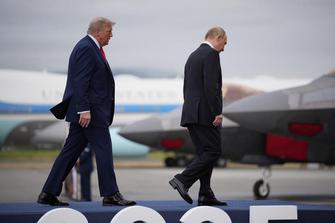
Trump and Putin face escalating political and military consequences in Iran and Ukraine after misjudging their ability to achieve quick victories and isolating themselves from dissenting advisers. Mounting casualties, strategic missteps, and growing domestic frustration have led to emerging political pushback in both Washington and Moscow. Each leader struggles to escape conflicts that have become costly, open-ended wars with diminishing prospects for success.

War in Ukraine Iran conflict U.S. politics United States Russia Iran Kremlin Carnegie Endowment for International Peace Russian International Affairs Council Donald Trump Vladimir Putin Kristen Welker
Estilo periodísticoInterpretativo

Strongly opinionated analysis critiquing leaders’ decisions

Contexto políticoCentro

Critiques leaders across countries without partisan framing, emphasizing analytical assessment

Trump cancels strikes on Iran, citing deal progress

Foreign Policy 11 jun 2026 English

Planned U.S. strikes on Iran were canceled after Donald Trump said progress had been made toward a multilateral agreement, though Iranian officials disputed this and warned of escalation. The reversal followed earlier threats to target Kharg Island amid ongoing clashes and negotiations over Iran’s nuclear capabilities. Israel expressed expectations that any deal would restrict Iran’s enrichment activities. Additional developments included the resignation of Britain’s defense minister over military funding concerns, large protests in Albania against a billion‑dollar luxury development linked to foreign investors, and Canada’s proposed ban on social media accounts for children under 16.

Iran war U.S.-Iran relations International politics Iran United States United Kingdom White House Islamic Republic of Iran Israeli Government British Government Canadian Government European Commission
Estilo periodísticoInformativo

Primarily factual reporting with limited subjective language

Contexto políticoCentro

Covers geopolitical conflict and government actions without partisan framing

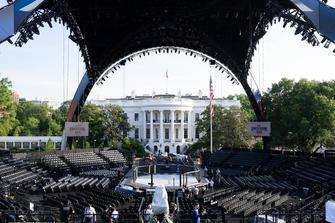
Trump Juggles Iran, the World Cup, and a White House UFC Fight

Foreign Policy 11 jun 2026 English

The United States faces simultaneous foreign-policy and domestic challenges as President Trump shifts between escalating and halting military action against Iran, prepares to host a UFC match at the White House, and manages complications from hosting the 2026 World Cup. A threatened major strike on Iran was canceled after Trump claimed progress toward a multilateral agreement, though Iranian officials denied final approval. Visa denials for World Cup participants, including officials and athletes from Somalia, Iraq, and Iran, highlighted tensions between the tournament’s global nature and U.S. immigration policies. Additional developments include new U.S. and EU sanctions targeting Iran and Russia, political outreach by Taiwan’s opposition leader in Washington, and shifting personnel within the U.S. and U.K. defense establishments.

War in Iran U.S. foreign policy 2026 FIFA World Cup U.S. immigration policy Sanctions United States Iran Somalia U.S. government Iranian government European Union U.S. Treasury Department
Estilo periodísticoInformativo

Mostly factual reporting with some analytical framing but limited subjective commentary

Contexto políticoCentro

Covers geopolitical actions and U.S. policy without advocating a political position

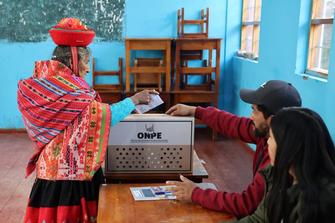
Peru Awaits Election Results in Fujimori–Sánchez Presidential Runoff

Foreign Policy 11 jun 2026 English

Peru’s presidential runoff remains unresolved as Keiko Fujimori and Roberto Sánchez remain separated by fewer than 1,000 votes, with uncounted ballots expected to influence the outcome. Both campaigns have alleged irregularities, raising concerns about post-election tensions and the next administration’s ability to govern a fragmented congress. The result will signal Peru’s political direction amid a broader regional trend toward right‑leaning leadership. Additional regional developments include Venezuela’s diplomatic outreach to India and Turkey tied to oil trade dynamics, Brazil’s consideration of issuing yuan‑denominated bonds, and the start of the 2026 World Cup in Mexico City.

Peru election Latin American politics Right-wing political shift Peru Latin America Colombia Peruvian government Venezuelan government Indian government Keiko Fujimori Roberto Sánchez Alberto Fujimori
Estilo periodísticoInformativo

mostly factual reporting with some analytical interpretation

Contexto políticoCentro

coverage spans political developments without taking a normative stance

An Epic Battle Forgotten in Japan

RealClearHistory 7 ago 2019 English

Dignitaries and guests are gathering on Guadalcanal to commemorate the battle that marked a turning point in World War II, halting Japan's advance. While the battle is a significant part of American historical memory, it is largely forgotten in Japan, overshadowed by other wartime events. Japanese wartime leaders suppressed news of the defeat, and the battle's horror and sacrifice are not widely recognized in Japan. Military historian M.G. Sheftall notes the devastating impact of the battle on Japanese troops and the reasons for its obscurity in Japanese memory.

World War II Historical Memory Japan Guadalcanal M.G. Sheftall
Estilo periodísticoEquilibrado

Balanced between factual recounting and interpretative analysis.

Ver los 84 trabajos con una cuenta gratuita

Contratar Mensaje
×

Regístrate para enviar un mensaje a Kirk

¿Ya tienes una cuenta? Iniciar sesión
¿Buscas trabajo? Regístrate como periodista
Verifica tu correo electrónico para completar el registro
Acabamos de enviar un correo electrónico a . Revisa tu bandeja de entrada y haz clic en el enlace para verificar tu dirección de correo electrónico y completar tu registro. Si no ves el correo, asegúrate de revisar tu carpeta de spam o correo no deseado.
¿No recibiste el correo electrónico?

Regístrate para desbloquear perfiles

¿Ya tienes una cuenta? Iniciar sesión
¿Buscas trabajo? Regístrate como periodista
Verifica tu correo electrónico para completar el registro
Acabamos de enviar un correo electrónico a . Revisa tu bandeja de entrada y haz clic en el enlace para verificar tu dirección de correo electrónico y completar tu registro. Si no ves el correo, asegúrate de revisar tu carpeta de spam o correo no deseado.
¿No recibiste el correo electrónico?