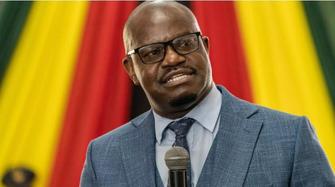
Kudzai Chimhangwa is an independent journalist. I regularly travel to Namibia, Mozambique, Botswana, Malawi and South Africa in pursuit of news assignments. I have worked as a staff reporter in Namibia and Zimbabwe for independent publications and been freelancing thereafter for 7 years. Additionally, i have done investigative reporting for the United States based Centre for Investigative Reporting. In 2016, i worked as a fixer for a Danish TV news crew, traversing the length and breadth of South Africa and Zimbabwe.
For that in depth multi media news and analysis of events and their implications within the wider construct of regional grouping Southern African Development Community (SADC), Kudzai is the journalist to contact.
Global Voices по-русскиNewzimbabweModern GhanaThe WorldThestandardTolerance
Work 35
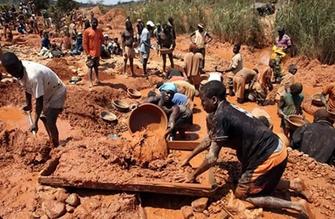
The deadly quest by Zim’s poorest for a few grams of golden hope; mothers, kids risk lives as life gets desperate
New Zimbabwe1 Oct 2023English
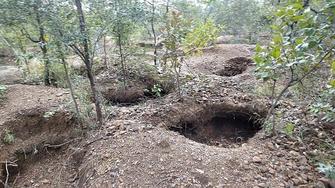
In the Bhuka mountains of Masvingo, Zimbabwe, women and children risk their lives in illegal gold panning due to extreme poverty and lack of employment opportunities. The economic crisis, exacerbated by political issues and western sanctions, has driven many to this dangerous activity. Despite the high risks, including collapsing pits and police raids, the allure of gold and the need for survival push them forward. The government and various organizations are mentioned in the context of the mining industry and its challenges, including calls for decriminalizing gold possession to boost official gold reserves. The article also highlights the social issues arising from this situation, such as child labor and increased HIV/AIDS cases due to transactional sex in the mining communities.
PovertyIllegal MiningEconomic CrisisChild LaborZimbabweMasvingoGovernment of ZimbabweZimbabwe Miners FederationFidelity Printers and RefinersNational Aids CouncilGold Miners AssociationThelma Murambiwa
Reporting styleInterpretive
The article contains subjective statements and personal stories, highlighting the struggles and opinions of individuals involved in illegal gold panning.
OpinionatedFactual
Political contextLeft
The article criticizes the government for economic mismanagement and highlights the plight of the poor and vulnerable.
Far leftFar right
Zimbabwe’s information war on digital platforms threatens free expression
New Zimbabwe1 Oct 2023English
The article discusses the controversial appointment of Abigail Ambrose to the Zimbabwe Electoral Commission, raising concerns about the commission's independence ahead of the 2023 elections. It highlights the government's use of propaganda and disinformation on digital platforms to maintain power, exacerbating polarization and undermining free expression. The piece also examines the role of digital technology in spreading false information and the impact on Zimbabwe's political landscape, with expert opinions from media professionals.
Free ExpressionDisinformationPropagandaElectionsZimbabweZimbabwe Electoral CommissionMinistry of Media Information and Broadcasting ServicesAfrican Centre for Media ExcellenceNamibia Media TrustAbigail AmbroseKembo MohadiNick Mangwana
Reporting styleInterpretive
The article contains a mix of factual reporting and subjective analysis, particularly in its discussion of propaganda and disinformation.
OpinionatedFactual
Political contextLeft
The article criticizes the ruling party and government actions, highlighting issues of human rights abuses, propaganda, and disinformation.
Far leftFar right
Unfreedom Monitor Report: Expression
Global Voices8 Jun 2023Spanish
Authoritarian regimes have long had a complicated relationship with media and communication technologies. The Unfreedom Monitor initiative by Global Voices Advox examines the rise of digital authoritarianism. The report highlights how the Rwandan government uses repressive laws, surveillance technology, and state-led crackdowns to suppress dissenting voices. The use of the Israeli spyware Pegasus to monitor political opponents, including South African President Cyril Ramaphosa, is a significant concern. The report underscores the importance of online privacy and data protection for the exercise of other democratic rights, such as freedom of expression and access to information.
AuthoritarianismFreedom of ExpressionDigital SurveillanceRwandaSouth AfricaGovernment of RwandaGlobal Voices AdvoxPaul KagameCyril RamaphosaNSO GroupPegasusWhatsApp
Reporting styleInterpretive
The text contains a mix of factual reporting and subjective analysis, particularly in its critique of government actions.
OpinionatedFactual
Political contextLeft
The text criticizes authoritarian practices and supports democratic freedoms.
Far leftFar right
Unfreedom Monitor Report: Speech
Global Voices1 Jun 2023English
The Unfreedom Monitor's report on Speech, part of a Global Voices Advox research initiative, examines the use of digital authoritarianism to constrain free speech, with a focus on Rwanda. The Rwandan government employs repressive laws, surveillance technology, and state-led crackdowns to silence dissent, leading to a culture of self-censorship. The government has been implicated in using Israeli NSO's Pegasus spyware to monitor political opponents, including South African President Cyril Ramaphosa, allegations it denies. The report underscores the importance of privacy and data protection online, as surveillance practices hinder journalists' and activists' freedom of expression.
The text is largely reporting facts but includes some analysis.
OpinionatedFactual
Political contextCentre
The text is focused on human rights and does not explicitly espouse a political ideology.
Far leftFar right
Zimbabwe’s information war on digital platforms threatens free expression
Global Voices31 Mar 2023English
Digital technology significantly contributes to the propagation of propaganda and disinformation, leveraging its vast platform to reach a wide audience and potentially threatening free expression in Zimbabwe.
The article presents a factual statement about the role of digital technology in spreading propaganda and disinformation.
OpinionatedFactual
Zimbabwe’s information war on digital platforms threatens free expression
Global Voices31 Mar 2023English
The appointment of Abigail Ambrose, daughter of Vice President Kembo Mohadi, to the Zimbabwe Electoral Commission has sparked outrage and debate over the commission's independence. Government spokesperson Nick Mangwana defended the appointment, highlighting the polarisation between dissenting voices and the government. As Zimbabwe approaches the 2023 elections, the political environment is marked by propaganda and disinformation, with the government using digital platforms to maintain power. The human rights situation continues to deteriorate, and the regime's control over social media has intensified. Experts highlight the role of digital technology in spreading disinformation and propaganda, exacerbating the conflict over narrative space and impacting free expression.
Free ExpressionDisinformationPropagandaElectionsZimbabweZimbabwe Electoral CommissionMinistry of Media Information and Broadcasting ServicesRuling PartyGovernmentAfrican Centre for Media ExcellenceNamibia Media TrustKembo Mohadi
Reporting styleInterpretive
The article contains a mix of factual reporting and subjective analysis, particularly in its discussion of propaganda and disinformation.
OpinionatedFactual
Political contextLeft
The article criticizes the ruling party and government for their use of propaganda and disinformation, aligning with a perspective that supports free expression and democratic principles.
Far leftFar right
An estate under siege: How the press in Zimbabwe is being gagged
Global Voices12 Sep 2022English
The article discusses the increasing suppression of press freedom in Zimbabwe, highlighting the government's failure to adhere to constitutional provisions for freedom of expression. It details various incidents of journalists being harassed, assaulted, and detained by state and opposition actors. The piece underscores the tension between the government's narrative and the reality of press freedom violations, especially as the 2023 elections approach. It also explores the impact of digital platforms on traditional state narratives and the broader implications for democracy and good governance in Zimbabwe.
Press FreedomGovernment SurveillancePolitical TensionZimbabweGovernment of ZimbabweCitizen’s Coalition for ChangeCivic Media ObservatoryEmmerson MnangagwaRobert MugabeStephan ChanElizabeth MashiriAnyway Yotamu
Reporting styleInterpretive
The article contains a mix of factual reporting and subjective analysis, particularly in the discussion of government actions and their implications.
OpinionatedFactual
Political contextLeft
The article criticizes government actions and supports press freedom, aligning with left-leaning values of transparency and accountability.
Far leftFar right
Unfreedom Monitor report: Zimbabwe
Global Voices8 Sep 2022English
The report examines digital authoritarianism in Zimbabwe, tracing its roots to the colonial period and highlighting the continued restrictive media environment under Robert Mugabe and the current regime. The government uses media and digital technologies to maintain political power, often through oppressive legislation and surveillance. The influence of foreign governments and corporations in shaping Zimbabwe's digital landscape is also significant, contributing to the repression of digital rights and civic space.
Digital AuthoritarianismMedia ControlPolitical RepressionZimbabweRhodesian regimeZimbabwean governmentGlobal Voices AdvoxRobert Mugabe
Reporting styleInterpretive
The text contains a mix of factual reporting and subjective analysis, particularly in its interpretation of the motives and impacts of digital authoritarianism.
OpinionatedFactual
Political contextLeft
The text criticizes authoritarian practices and supports democratic processes and digital rights.
Far leftFar right
The deadly quest by Zimbabwe’s poorest for a few grams of golden hope
Modern Ghana3 Jul 2022English
In Masvingo, Zimbabwe, women and children, including the likes of Thelma Murambiwa and a 14-year-old boy named Alex, are illegally panning for gold in the Bhuka mountains to survive amidst a dire economic situation. Despite the risks of collapsing pits, arrest, and health hazards, the allure of gold and the necessity to provide for their families drive them to continue. The government-owned Fidelity Printers and Refiners reported an increase in gold output, but many miners lack permits and sophisticated equipment, leading to a thriving black market and environmental degradation. The National Aids Council highlighted the rise in HIV/AIDS and sexual exploitation in these mining communities.
EconomyHuman RightsMining IndustryMasvingo, ZimbabweZimbabweBhukaFidelity Printers and RefinersZimbabwe Miners FederationGold Miners AssociationNational Aids CouncilThelma MurambiwaAlex
Reporting styleInformative
The article presents factual information about the situation in Zimbabwe, but the focus on individual stories may introduce some subjective elements.
OpinionatedFactual
How Artificial Intelligence could influence Zimbabwe’s 2023 elections
Global Voices Advox13 Jun 2022English
Zimbabwe's upcoming 2023 general elections may be significantly influenced by artificial intelligence and biometric technology, following historical mistrust in election management and transparency. The opposition party Citizens Coalition for Change won a majority in the recent by-elections, which served as a precursor to the general elections. Concerns have been raised about the credibility of biometric voter data storage, with allegations of voters' roll manipulation. Zimbabwe's partnership with Chinese startup CloudWalk Technology for facial recognition technology raises privacy and surveillance concerns. The Zimbabwe Electoral Commission's (ZEC) claims of a tamper-proof voting system are contradicted by admissions of database hacking and accusations of providing voter data to the ruling ZANU PF party. Experts highlight the risks of biometric technology in authoritarian regimes and the potential exclusion of marginalized groups. The legal and ethical implications of AI in elections, including privacy, misinformation, and foreign investment's impact on democracy, are critical issues as Zimbabwe approaches the 2023 elections.
ElectionsArtificial IntelligencePrivacyZimbabweAfricaCitizens Coalition for ChangeZimbabwe Electoral CommissionMDC AllianceZANU PFAfrica Centre for Strategic StudiesEthics Institute at Utrecht UniversityPriscilla Chigumba
Reporting styleBalanced
The article includes expert opinions and analysis on the use of AI in elections.
OpinionatedFactual
Political contextCentre
The article is focused on technology and election integrity rather than promoting a specific political ideology.
We respect your privacy and use a limited number of cookies to provide essential functionality and enhance your visit. No third-party advertising cookies involved. For more details, please read our Cookie Policy.