Contratar jornalistas

Editoras e emissoras Equipes de marketing de conteúdo Equipes de RP e comunicação Equipes de risco e inteligência Encontrar jornalistas Monitoramento de mídia Preços

Para jornalistas

Vagas de jornalismo Tarifas Crie seu perfil gratuito

Sobre Kundana

Kundana Kashyap é fundador e editor-chefe da The Frontier Review, uma plataforma de jornalismo independente orientada por pesquisa que cobre assuntos internacionais, geopolítica e política externa. Ele atuou anteriormente como editor executivo de uma revista de relações internacionais, onde liderou iniciativas de desenvolvimento editorial, pesquisa e publicação. Seus interesses incluem política global, assuntos estratégicos e jornalismo internacional.

Serviços
Idiomas
inglês
Visto em
The Frontier Review

Trabalhos 4

Japan's New National Disaster Management Agency: From Emergency Response to Prevention

The Frontier Review 11 nov. 2026 English

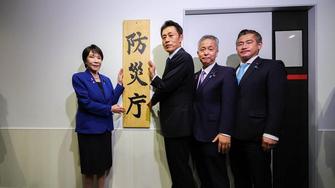
Japan launched its National Disaster Management Agency on November 2, 2026, to strengthen preparedness and coordinate responses to major disasters, following lessons from the 2011 Tohoku disaster and other emergencies. The agency, led by Prime Minister Sanae Takaichi and disaster-management minister Goshi Hosono, has about 350 staff and plans to send relief supplies directly to affected areas, provide essential facilities, and establish regional offices by 2028. Major gaps remain: fewer than half of municipal officials have received recent disaster-management training, and only 15% of municipalities have evacuation plans for older people and people with disabilities who need assistance. Officials and experts stress that effective prevention will require local capacity, retained expertise, and coordination across society.
Disaster Management Emergency Preparedness Earthquakes and Tsunamis Climate Change Evacuation Planning Japan Tokyo Tohoku National Disaster Management Agency Government of Japan Cabinet Office Prime Minister's Office
Estilo de reportagemEquilibrado

Mostly factual reporting with some evaluative framing about the agency's potential and remaining preparedness gaps.
Bundibugyo Virus: Africa’s Growing Ebola Challenge

The Frontier Review 5 nov. 2026 English

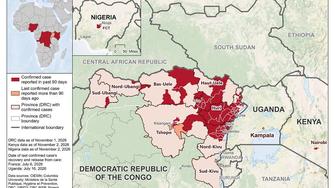
A large Bundibugyo virus disease outbreak centered in the Democratic Republic of the Congo has spread to neighboring countries and prompted the World Health Organization to declare a Public Health Emergency of International Concern. The disease causes severe illness, while no Bundibugyo-specific vaccine or approved antiviral treatment is available; care is currently supportive, and several drugs and antibody treatments are under study. The outbreak has exposed weaknesses in diagnostics, treatment research, cross-border surveillance and regional health security. The piece calls for sustained preparedness, broader countermeasures, rapid diagnostics, survivor care, community trust, coordinated funding and stronger regional capacity.

Bundibugyo virus outbreak Ebola Public health preparedness Vaccine and treatment development Cross-border disease surveillance Democratic Republic of the Congo Uganda Africa World Health Organization Africa Centres for Disease Control and Prevention U.S. Centers for Disease Control and Prevention Government of the Democratic Republic of the Congo
Estilo de reportagemInterpretativo

Mostly factual reporting, with a concluding argument advocating sustained, proactive preparedness and stronger regional health systems.

Russia–Africa Summit 2026: Russia’s Geopolitical Ambitions in Africa

The Frontier Review 21 out. 2026 English

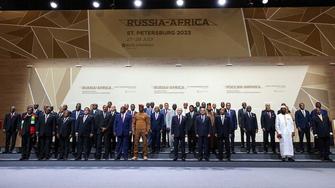
Ahead of the third Russia–Africa Summit in Moscow on October 28–29, 2026, the article examines Russia’s efforts to deepen political and economic ties with African countries and compete with Western powers and China. The summit agenda includes trade, investment, nuclear energy, payment systems, digitalisation, and food security, while Moscow also seeks diplomatic support and to promote an anti-colonial narrative. The article describes Russia’s military partnerships, arms sales, disinformation campaigns, and cultural diplomacy, including an influence network linked to Wagner and later reportedly controlled by Russia’s Foreign Intelligence Service. It notes that previous summit pledges, including grain deliveries, were only partly implemented, and argues that long-term industrial cooperation and sustainable security partnerships are needed for African countries to benefit.

Russia–Africa Relations Russian Influence in Africa Geopolitics Disinformation and Propaganda Military Cooperation Trade and Investment Africa Russia Sahel Russian Federation Roscongress Foundation Africa Corps
Estilo de reportagemInterpretativo

Analytical but critical of Russia's influence efforts, highlighting propaganda, military support, and limited delivery on past commitments.

Contexto políticoCentro-esquerda

Critical of Russian military and influence operations and sympathetic to African concerns about colonialism, while presenting geopolitical developments analytically.

Myanmar’s Diplomatic Comeback under Min Aung Hlaing: ASEAN’s Credibility at Stake?

The Frontier Review 17 out. 2026 English

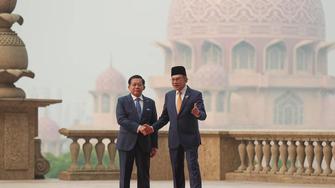
ASEAN members, including Malaysia, have increased diplomatic engagement with Myanmar’s military leader Min Aung Hlaing, but the article argues that outreach without progress toward peace or accountability weakens ASEAN’s credibility. Malaysia’s repatriation of thousands of Myanmar nationals has drawn warnings that returnees may face serious danger, while talks have also addressed further returns and investment. The piece contrasts diplomatic normalization with continued conflict, alleged atrocities, airstrikes on civilians, and the detention of Aung San Suu Kyi. It also describes U.S. engagement over a detained American and strategic interests, and concludes that diplomatic receptions cannot confer domestic legitimacy on a coup-installed government.

Myanmar's Military Rule ASEAN Diplomacy Myanmar Civil War Rohingya Refugees Human Rights International Relations Myanmar Southeast Asia Malaysia ASEAN Myanmar military government United Nations
Estilo de reportagemInterpretativo

Strongly critical analysis argues that ASEAN engagement risks legitimizing Myanmar's military leadership without progress toward peace, accountability, or democracy.

Contexto políticoCentro-esquerda

Critical of military rule and human-rights abuses, and supportive of democracy and accountability; the focus is analytical rather than party-political.

Contratar Mensagem
×

Cadastre-se para enviar uma mensagem para Kundana

Já tem uma conta? Entrar
Procurando trabalho? Cadastre-se como jornalista
Verifique seu e-mail para concluir o cadastro
Acabamos de enviar um e-mail para . Verifique sua caixa de entrada e clique no link para verificar seu endereço de e-mail e concluir seu cadastro. Se não vir o e-mail, não deixe de checar sua pasta de spam ou lixo eletrônico.
Não recebeu o e-mail?

Cadastre-se para desbloquear perfis

Já tem uma conta? Entrar
Procurando trabalho? Cadastre-se como jornalista
Verifique seu e-mail para concluir o cadastro
Acabamos de enviar um e-mail para . Verifique sua caixa de entrada e clique no link para verificar seu endereço de e-mail e concluir seu cadastro. Se não vir o e-mail, não deixe de checar sua pasta de spam ou lixo eletrônico.
Não recebeu o e-mail?