International Business Times UKPresseViceSapiensBBCIOSH magazineThe AtlanticThe IndependentThe Mail & GuardianPatientNew ScientistPacific StandardZME ScienceRealclearscienceScientificamerican
Trabajo 108
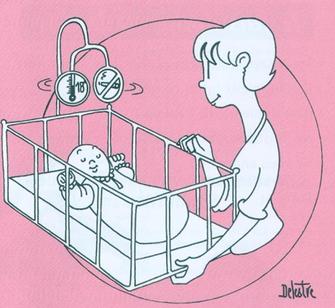
Diaper Packaging Conveys Pictures Inconsistent With Recommendations for Preventing Sudden Infant Death Syndrome
Inserm23 oct 2023English
A study involving Inserm, Université Paris Cité, HEC Paris, and several hospitals across Europe found that 79% of diaper packaging depicting a sleeping baby were inconsistent with safe infant sleep recommendations. The study, which examined packaging in 11 European countries, revealed images of babies sleeping on their stomach or side, with loose bedding, or sharing a sleep surface, all of which are risk factors for sudden infant death syndrome (SIDS). Despite the reduction of SIDS incidence in France by 80% since the 1990s, unsafe sleep practices persist. The findings suggest a need for manufacturers and legislators to ensure that commercial and official images align with SIDS prevention recommendations.
Health & SafetyInfant CarePublic HealthFranceEuropeInsermUniversité Paris CitéHEC ParisGreater Paris University Hospitals (AP-HP)Nantes University HospitalMartin ChalumeauDiaper Packaging
Estilo periodísticoFactual
The text is based on a study and presents findings and recommendations, indicating a factual report.
De opiniónFactual
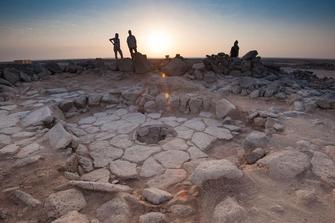
Following a New Trail of Crumbs to Agriculture’s Origins
Sapiens2 oct 2023English
The discovery of ancient bread crumbs at Shubayqa 1 in Jordan reveals that hunter-gatherers were making bread from wild barley, einkorn, oat, and tubers long before the advent of agriculture. This finding, published in the Proceedings of the National Academy of Sciences, challenges the traditional view of the transition from hunting and gathering to agriculture as an economic revolution, suggesting instead that it may have been driven by food preferences. The research raises new questions about the role of bread in ancient diets and its impact on early societies.
ArchaeologyAgricultureHistorySouthwest AsiaJordanUniversity of CambridgeProceedings of the National Academy of SciencesDorian FullerMonica Nicolaides RamseyCarreterobread
Estilo periodísticoInformativo
The article is largely factual but includes some interpretative statements about the implications of the findings.
De opiniónFactual
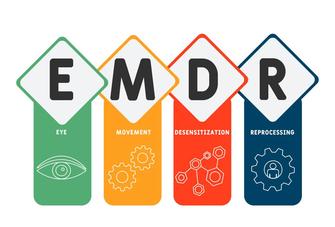
EMDR to Treat Post-Traumatic Stress
Inserm1 oct 2023French
EMDR (Eye Movement Desensitization and Reprocessing) has been validated over the past 25 years as an effective treatment for post-traumatic stress disorder (PTSD). Initially described by psychologist Francine Shapiro in 1987, EMDR has shown promising results in clinical trials and meta-analyses, leading the World Health Organization to recognize it as a valid alternative to traditional cognitive and behavioral therapies. While its efficacy in treating other psychiatric disorders remains under investigation, recent studies suggest potential benefits. Research continues to explore the neurobiological mechanisms behind EMDR and its long-term effects, with a focus on improving patient outcomes and addressing individual differences in therapy response. Proper certification for practitioners is emphasized to ensure safe and effective treatment.
Mental HealthPost-Traumatic Stress DisorderTherapyFranceVietnamWorld Health OrganizationInsermCNRSMission interministérielle de vigilance et de lutte contre les dérives sectairesFrancine ShapiroIsabelle ChaudieuStéphanie Khalfa
Estilo periodísticoInformativo
Mostly factual with some interpretation of scientific studies and their implications.
De opiniónFactual
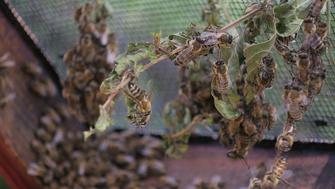
Can Honeybees Teach Us How to Live?
Sapiens1 oct 2023English
Bosnian beekeepers view bees as knowledgeable beings capable of complex behaviors and producing valuable hive substances. The article explores the cultural and medicinal significance of beekeeping in Bosnia-Herzegovina, highlighting the challenges posed by climate change and extreme weather events. It contrasts the local perspective with the scientific view, suggesting that humans might learn from bees' cooperative and sustainable living practices. The narrative is enriched by the author's personal experiences and family involvement in beekeeping.
Balanced between subjective observations and factual reporting
De opiniónFactual
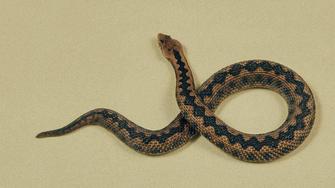
Why is it so hard to stop people dying from snakebite?
ZME Science1 oct 2023English
The article highlights the severe challenges in treating snakebite victims, particularly in rural and low-income regions like Togo and sub-Saharan Africa. Despite the availability of antivenom, issues such as high costs, inadequate distribution, and lack of proper training for healthcare professionals hinder effective treatment. The World Health Organization has recognized snakebite as a neglected tropical disease, leading to renewed efforts in antivenom research and quality control. Innovative research is underway to develop safer and more effective treatments, but immediate improvements in existing antivenom production and distribution are crucial. The article underscores the need for better healthcare systems, community engagement, and trust in medical treatments to effectively combat snakebite fatalities.
SnakebiteHealthcareNeglected Tropical DiseasesTogoAfricaIndiaWorld Health OrganizationLiverpool School of Tropical MedicineCentre for Snakebite Research & InterventionsAfrican Society of VenomologyInstitute of Research for DevelopmentTechnical University of Denmark
Estilo periodísticoInterpretativo
The text contains a mix of factual reporting and subjective statements, particularly regarding the challenges and opinions on antivenom production and distribution.
De opiniónFactual
Most people would rather die than see their reputations tarnished
International Business Times1 oct 2023English
A study published in the journal Social Psychological and Personality Science reveals that people are willing to make significant sacrifices, including enduring physical pain or even death, to protect their reputations. The research involved surveys and lab experiments, showing that maintaining a moral reputation is a crucial value for many individuals globally. The findings suggest that the motivation to preserve one's reputation is deeply rooted in human nature and is essential for effective social cooperation.
Human BehaviorPsychologySocial ScienceGlobal
Estilo periodísticoInformativo
The article is based on a scientific study and presents findings with some interpretation.
De opiniónFactual
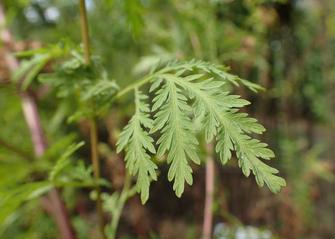
Artemisia miracle plant, really?
Inserm1 oct 2023English
The article explores the ongoing debate about the efficacy of non-pharmaceutical remedies based on Artemisia, particularly in treating malaria and Covid-19. While Artemisia has been used in traditional Chinese medicine and is the source of artemisinin, a key antimalarial treatment, its effectiveness in non-pharmaceutical forms like herbal teas remains controversial. The text highlights the need for rigorous clinical trials to validate these treatments, especially given the variability in plant composition and preparation methods. The discussion extends to the potential use of Artemisia in treating Covid-19, spurred by interest from several African countries, but emphasizes the lack of robust clinical data to support its efficacy.
Traditional MedicineMalariaCovid-19AsiaDemocratic Republic of the CongoGermanyWHOREACTingCNRSInsermUniversity of ParisEric D’Ortenzio
Estilo periodísticoEquilibrado
Balanced discussion with both supportive and critical viewpoints
De opiniónFactual
Weed May Affect Men and Women Differently
Vice1 oct 2023English
Men are more likely to consume cannabis and develop dependence compared to women, but the gap is narrowing, especially in medical cannabis use. Researchers are investigating how cannabis affects men and women differently, with studies suggesting women may experience more adverse effects and develop tolerance faster. Pain relief is a primary focus, with findings indicating men may benefit more from cannabis for pain relief than women. The research is complicated by limited funding and regulatory challenges, but there is a growing call for more inclusive studies to better understand the sex-specific effects of cannabis.
CannabisGender DifferencesMedical ResearchUnited StatesUniversity College LondonColumbia UniversityKing’s College LondonChandni HindochaZiva CooperTom Freeman
Estilo periodísticoEquilibrado
Balanced presentation of research findings with some subjective interpretations.
De opiniónFactual
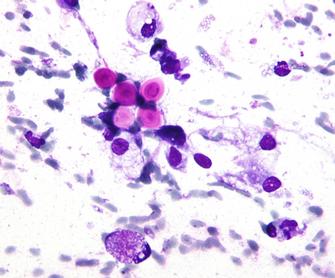
Scientists discover how to stop deadly Cryptococcus fungus from reaching the brain
International Business Times1 oct 2023English
Scientists have discovered a method to prevent the deadly Cryptococcus fungus from spreading from the lungs to the brain by manipulating a molecule called ERK5. This discovery, led by Robin May at the University of Birmingham, could lead to new therapies for cryptococcosis and other infections that hijack the immune system. The study, published in Science Advances, highlights the potential of targeting the vomocytosis process to control the spread of infections.
Medical ResearchInfectious DiseasesWorldwideUniversity of BirminghamRobin May
Estilo periodísticoFactual
The article is based on scientific research and presents factual information about the discovery.
De opiniónFactual
Miracle diets against migraines, really?
Inserm1 oct 2023French
Migraine, a common chronic neurological disorder, affects nearly 15% of the global population and is more prevalent in women. While genetic and environmental factors contribute to migraines, there is no curative treatment, and management focuses on treating and preventing attacks. Dietary habits have been researched for their potential impact on migraines, but the evidence is not robust enough to support specific diets like gluten-free or tyramine-free diets without medical supervision. The ketogenic diet shows some promise, but more rigorous studies are needed. Regular, balanced meals are recommended for migraine sufferers to help manage their condition.
HealthDietMigraineWorldInsermCHU de Clermont-FerrandOMSXavier MoissetKetogenic diet
Estilo periodísticoInformativo
The article is mostly factual but includes some interpretation of scientific studies and their implications.
Respetamos su privacidad y utilizamos un número limitado de cookies para ofrecer funciones esenciales y mejorar su visita. No se utilizan cookies publicitarias de terceros. Para más detalles, lea nuestra Política de cookies.