Contratar periodistas

Editoriales y emisoras Equipos de marketing de contenidos Equipos de relaciones públicas y comunicación Equipos de riesgo e inteligencia Encontrar periodistas Monitoreo de medios Precios

Para periodistas

Empleos en periodismo Tarifas Crea tu perfil gratis

Sobre Lokendra

Lokendra Bishwakarma es un periodista con base en Katmandú, Nepal, con un fuerte interés en el periodismo de investigación y la narrativa. Investiga y redacta reportajes en profundidad sobre política, educación, seguridad penitenciaria, comunidades marginadas y cuestiones relacionadas con la corrupción. Su trabajo se centra en descubrir fallos sistémicos, hacer que el poder rinda cuentas y amplificar voces poco cubiertas a través de narrativas convincentes centradas en las personas.

Idiomas
hindi inglés nepalí
Visto en
Nepal News Cijnepal

Trabajo 13

From Blueprint to Protest: The Plan to ‘Turn Nepal into Bangladesh’

Nepal News 8 jun 2026 English

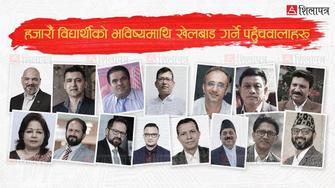
Nepal News reports that a classified National Investigation Department assessment and a National Human Rights Commission study describe planning by activists and political groups to turn the 2025 Gen Z protests violent, drawing inspiration from Bangladesh’s 2024 uprising. The reports allege that organizers mobilized youth, spread provocative messages, prepared logistical support, and encouraged arson and clashes; the commission cites video evidence and recommends further criminal investigation of named figures. Sudhan Gurung’s group is alleged to have helped provoke crowds and arrange tents, volunteers, and ambulances, though the commission stopped short of recommending his immediate punishment. Several people deny involvement or did not respond to requests for comment, and the article presents both the allegations and available responses.

Nepal Gen Z Protests Political Unrest Alleged Conspiracy and Protest Violence Intelligence and Human Rights Investigations Nepal Kathmandu Valley Bangladesh National Investigation Department National Human Rights Commission of Nepal Rastriya Swatantra Party Hami Nepal Hundred Plus Group
Estilo periodísticoInterpretativo

Investigative reporting, but its framing foregrounds allegations from intelligence and commission reports; it also includes denials and responses from some named figures.

Contexto políticoCentro

The article focuses on allegations, reports, and responses concerning political unrest; it does not clearly endorse a partisan position.
Government Gone Astray: Balendra Shah Drifts Far from the ‘Gen Z’ Spirit

Nepal News 26 may 2026 English

The article argues that Prime Minister Balendra Shah’s government has drifted from the democratic and social-justice commitments associated with Nepal’s Gen Z movement. It criticizes the government for proroguing parliament and pursuing controversial ordinances, including changes to Constitutional Council decision-making rules, and for Shah’s avoidance of parliamentary scrutiny. It also condemns the forced eviction of more than 3,000 landless households, noting that many residents were displaced without adequate notice or alternative housing. The Supreme Court ordered protections and arrangements for displaced residents, while UN human-rights experts and Nepali activists criticized the evictions. The article concludes that the government’s methods risk weakening democracy, accountability, and citizens’ rights.

Nepalese Politics Democracy and Governance Parliamentary Accountability Forced Evictions Land Rights Human Rights Nepal Kathmandu Lalitpur Government of Nepal Rastriya Swatantra Party Federal Parliament of Nepal
Estilo periodísticoInterpretativo

Strongly critical framing, with evaluative language and extensive arguments that the government has undermined democratic processes and human rights.

Contexto políticoCentroizquierda

Emphasizes democratic accountability, constitutional limits, social justice, and the rights of displaced and economically vulnerable people.

Life Shattered: The Tale of Landless Settlers’ Eviction

Nepal News 18 may 2026 English

The demolition of informal settlements in Kathmandu has left landless families displaced, without stable work or adequate housing, and facing serious health and educational consequences. Maiya Ale, a disabled widow whose daughter has been missing for years, lost her home and livelihood and now struggles to pay rent while caring for an ill daughter. Residents in temporary holding centers report overcrowding, poor food and water, restricted movement, interrupted schooling, and inadequate medical and postpartum care. The article says more than 3,000 children across 19 settlements have had their education affected. Although the government had promised to verify residents and arrange housing, displaced families say they remain in limbo. Legal experts and advocates describe the evictions without alternatives as violations of constitutional and human rights protections; despite a Supreme Court interim order requiring proper arrangements, demolitions reportedly continued.

Forced Evictions Homelessness Poverty Children's Education Human Rights Kathmandu Lalitpur Bhaktapur Government of Nepal Kathmandu Metropolitan City Supreme Court of Nepal Ministry of Urban Development
Estilo periodísticoInformativo

Primarily reported through interviews and factual detail, though the framing and quoted sources strongly criticize the eviction process.

Landless settlers: Managed in rhetoric, displaced in reality

Nepal News 5 may 2026 English

Families displaced when authorities demolished squatter settlements in Kathmandu describe losing their homes, livelihoods, savings, and access to work. The government had promised that evictions would follow identification and relocation plans, but residents and advocates say demolitions proceeded without adequate notice or arrangements, leaving people in temporary shelters with concerns about food, health, safety, and education. Protests and legal criticism have intensified, with activists and a senior advocate calling the evictions unjust, inhumane, and potentially unconstitutional.

Eviction of Landless Settlers Displacement Housing and Homelessness Government Accountability Human Rights Kathmandu Kirtipur Nepal Government of Nepal Ministry of Home Affairs Armed Police Force Radha Soami Satsang Beas
Estilo periodísticoInterpretativo

Predominantly reported through interviews and attributed claims, but strongly frames the evictions as unjust and harmful.

Contexto políticoCentroizquierda

Focuses on the rights and hardship of marginalized landless families and criticizes government eviction policy, without advocating a party or ideology.

Opium Empire in the Absence of the State

Nepal News 4 may 2026 English

Illegal opium cultivation is expanding across remote districts of western Nepal, especially Jajarkot and Rukum, where limited state presence, poverty, unemployment, and food insecurity leave farmers vulnerable to middlemen who supply seeds and buy the harvest. Police have destroyed large areas of crops and made arrests, but recurring cultivation and rising drug-case figures suggest crop destruction alone is not a lasting solution. Investigators and former officials say Indian demand and traders’ cross-border connections help sustain the trade, while calling for stronger government oversight, investigation, and measures addressing the economic conditions that draw farmers into cultivation.

Illegal Opium Cultivation Drug Trafficking Rural Poverty Law Enforcement Nepal-India Smuggling Nepal Karnali Province India Nepal Police Narcotics Control Bureau of Nepal Police Banke District Court Lokendra Bishwakarma
Estilo periodísticoInterpretativo

Mostly reported investigation, but includes evaluative claims and warnings from police and experts about government inaction and the risks of expanding cultivation.

Bulldozed, Then Neglected: Landless Settlers Endure Hardship in Temporary Shelters

Nepal News 30 abr 2026 English

Families displaced when authorities demolished informal settlements along Kathmandu Valley riverbanks are enduring poor shelter, unsafe and inadequate food, limited drinking water and medical care, and uncertainty about education and relocation. At a Kirtipur holding center, a postpartum mother and other vulnerable residents face particular hardship; families also describe surveillance, lack of privacy, and disrupted schooling. Officials have been notified and pledged improvements and relocation for vulnerable people, but many remain in temporary conditions. Authorities say they are verifying landlessness claims after demolishing homes belonging to 2,081 households, while thousands of people have applied for recognition as landless settlers.

Displacement Landless Settlers Homelessness Humanitarian Conditions Education Kathmandu Valley Kirtipur Nepal Kathmandu Metropolitan City Nepal Police Kathmandu Metropolitan Police Office of the Prime Minister and Council of Ministers
Estilo periodísticoInterpretativo

The report is mainly factual and uses testimony and official figures, but its framing criticizes the government's response as apathetic and neglectful.

Contexto políticoCentroizquierda

The article emphasizes the social costs of government action and calls for dignity and support for displaced people, without advancing a partisan position.

The Speaker’s Controversial Business Past

Nepal News 17 abr 2026 English

Nepal News examines Speaker Dol Prasad Aryal’s business history and the questions it raises about his integrity and impartiality. The report details complaints concerning Hamro Naya Krishi Sahakari, which Aryal served as vice-chairperson before it was declared troubled, and a compensation claim against an overseas employment company where he worked as an international market director. It also lists Aryal’s continuing business ties and notes that he had not yet submitted a property disclosure after becoming Speaker. Aryal denies misappropriating cooperative funds; his office says he intends to disclose his assets, is seeking legal advice about distancing himself from business interests, and is committed to neutrality. Legal and parliamentary commentators, along with Gen Z activists, warn that the unresolved concerns could create conflicts of interest and undermine confidence in the speakership.

Nepalese Politics Political Ethics Conflicts of Interest Cooperative Fraud Allegations Nepal Kathmandu Dhading Rastriya Swatantra Party Federal Parliament Secretariat Department of Cooperatives Department of Foreign Employment Nepali Congress
Estilo periodísticoInterpretativo

Investigative reporting with a clearly critical framing of Aryal’s business history and fitness for an impartial speakership, while presenting denials and responses.

Contexto políticoCentro

Focuses on accountability, parliamentary neutrality, and allegations involving a political figure; it does not advance a clear partisan ideological position.

‘VIP Syndrome’ Lets the Powerful Use Hospitals to Avoid Custody

Nepal News 7 abr 2026 English

The article describes a recurring practice in Nepal in which influential people arrested or sentenced to prison are admitted to hospitals, sometimes without a substantiated medical need, keeping them outside police custody or prison. Cases involving former prime ministers KP Sharma Oli and Krishna Bahadur Mahara, politician Deepak Khadka, and others are presented alongside allegations of questionable medical recommendations and weak oversight. Advocates and health experts say detainees must receive necessary treatment, but call for credible examinations, transparent records, stronger enforcement of the 48-hour monitoring rule, and accountability for doctors or hospitals that fabricate illness. The Nepal Medical Council acknowledges shortcomings and says it has examined the issue, while the article concludes that government and medical oversight must become more effective.

Abuse of Power Police Custody Hospitals and Healthcare Rule of Law Nepalese Politics Nepal Kathmandu Bhaktapur Nepal Medical Council Nepal Police Home Ministry of Nepal Department of Prison Management
Estilo periodísticoEquilibrado

Investigative reporting is largely fact-based, but its framing and quoted criticism characterize the practice as an abuse of influence and a threat to the rule of law.

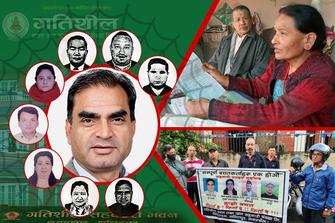
A Rs 2.44 Billion Cooperative Scam: Directors Misappropriated Funds, Authorities Failed to Act

Centre for Investigative Journalism Nepal 3 abr 2026 English

Depositors of Gatisheel Cooperative in Lalitpur lost more than Rs 2.44 billion after its directors issued loans to relatives, business partners, and associates without repayment and sold cooperative-owned land without depositing proceeds. Elderly savers and retired professionals seeking to withdraw their money were repeatedly denied access, receiving only invalid cheques and empty assurances. Despite over 200 complaints, provincial authorities took minimal action, and police did not initiate investigations. Internal records and ministry findings confirmed large-scale embezzlement involving current and former office-bearers, while weak oversight and political protection allowed the scheme to continue unchecked.

Cooperative fraud Corruption Governance failure Nepal Lalitpur Bagmati Province Gatisheel Cooperative Ministry of Cooperatives and Poverty Alleviation (Bagmati Province) Nepal Police Central Investigation Bureau Lalitpur District Administration Office Balram Pathak Nepal Man Dangol
Estilo periodísticoInformativo

Primarily factual investigative reporting with limited subjective language

shilapatra.com

Enlace Shilapatra

Ver los 13 trabajos con una cuenta gratuita

Otros periodistas en Katmandú

Contratar Mensaje
×

Regístrate para enviar un mensaje a Lokendra

¿Ya tienes una cuenta? Iniciar sesión
¿Buscas trabajo? Regístrate como periodista
Verifica tu correo electrónico para completar el registro
Acabamos de enviar un correo electrónico a . Revisa tu bandeja de entrada y haz clic en el enlace para verificar tu dirección de correo electrónico y completar tu registro. Si no ves el correo, asegúrate de revisar tu carpeta de spam o correo no deseado.
¿No recibiste el correo electrónico?

Regístrate para desbloquear perfiles

¿Ya tienes una cuenta? Iniciar sesión
¿Buscas trabajo? Regístrate como periodista
Verifica tu correo electrónico para completar el registro
Acabamos de enviar un correo electrónico a . Revisa tu bandeja de entrada y haz clic en el enlace para verificar tu dirección de correo electrónico y completar tu registro. Si no ves el correo, asegúrate de revisar tu carpeta de spam o correo no deseado.
¿No recibiste el correo electrónico?