LH
Lucy Harbron
Music · United Kingdom
Covers
Music
Arts & Culture
Entertainment & Celebrity
International Affairs
Film & Television
Health & Wellness
Seen in
Published work
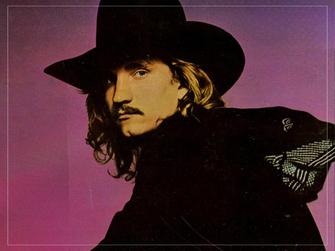
The singer Joe Walsh called an American national treasure
The 1960s band Mick Jagger couldn't stand being compared to
Mick Jagger reportedly hated being mistaken for or compared with Herman's Hermits, whom he viewed as an inferior British Invasion copycat act. While he accepted comparisons with groups such as The Beatles and The Kinks as having some artistic credibility, he considered Herman's Hermits a particularly insulting association for The Rolling Stones.
How Birmingham Defined the Modern Indie Scene
Birmingham became a major centre of British indie music in the early 2010s through a supportive network of bands, clubs and small venues. Nights such as Zombie Prom and venues including Snobs and The Studio gave Peace, Swim Deep and Jaws a low-pressure environment in which to build friendships, develop their sound and perform for local audiences. Their colourful, spontaneous music briefly shifted indie attention away from London, influencing later acts including Declan McKenna, Wet Leg and Her's. Although Jaws disbanded, Peace faded and Swim Deep struggled to maintain momentum, Birmingham's model of regional creative independence and its musical influence continue to resonate.
The Best Record You’ve Never Heard: Ye Vagabonds Recommend a Revolutionary Folk Record from a Master of Protest Music
Ye Vagabonds recommend Canciones Folklóricas de América, a 1967 folk album by Quilapayún and Víctor Jara that they discovered through the blog The Rising Storm. They praise its rich vocal harmonies, plucked-string arrangements and varied, transportive songs, comparing its sound to Irish folk group Planxty. The feature also recounts Jara’s role as a revolutionary singer and poet, his arrest, torture and murder during Augusto Pinochet’s regime in 1973, and the eventual prosecution of one of his killers in 2023. A personal encounter between Diarmuid Mac Gloinn and one of Jara’s former students underscores the singer’s enduring cultural and emotional legacy.
Her’s: Remembering the Lost Duo That Redefined Indie
Her’s are presented as a remarkably inventive indie duo whose songs combined melody, lo-fi textures, electronic elements and cinematic ambition despite their minimal setup. After releasing key tracks including “What Once Was,” “Dorothy” and “Speed Racer,” the band grew from a cult favorite into a major rising act before both musicians died in a 2019 car crash. Their posthumous resurgence, especially through streaming and social media, is portrayed as evidence that their forward-looking sound anticipated the genre’s evolution beyond the traditional guitar-band format.
The choreography of nightmares: why dance and horror are natural partners
Dance and horror are portrayed as natural partners because ballet already combines physical pain, bodily distortion, obsessive discipline and an uncanny contrast between elegance and suffering. Drawing on Pretty Lethal, The Red Shoes, Suspiria and Black Swan, the piece argues that dancers’ injuries, intense troupe dynamics and willingness to push through pain provide filmmakers with ready-made body-horror and psychological-horror material.
Would music be different if Joni Mitchell had quit in 1972?
Joni Mitchell considered quitting the music business in 1972 while making For the Roses, an album that expressed her frustration with commercial pressures and the exploitation of artists. She ultimately returned after time away in Canada and went on to release 14 more albums, including Court and Spark, Hejira and Mingus, expanding her folk-based sound with jazz, rock and diverse musical influences. The piece argues that Mitchell would still have been regarded as a legend if she had stopped in 1972 because of the enduring influence of her earlier work, particularly Blue, while suggesting that her later experimentation shaped the genre-defying approaches of contemporary artists.
The 1989 song that got Stevie Nicks through rehab: “I thought I was dying”
Stevie Nicks’ severe cocaine addiction led her to enter the Betty Ford Clinic in 1986, followed by another rehabilitation stay in the 1990s for Valium dependence. During the latter period, Tom Petty’s 1989 song “I Won’t Back Down” became her mantra, helping her endure fear and pain. Nicks’ long friendship with Petty and admiration for his music made the song a powerful source of resilience during recovery.
The 1970 Song Eric Clapton Is Most Proud Of
Eric Clapton remains deeply proud of “Layla,” the 1970 song inspired by his unrequited love for Pattie Boyd, then George Harrison’s wife and later Clapton’s own spouse. He has said the track still astonishes him every time he hears or performs it, although its complex arrangement makes it difficult to reproduce live without a strong group of musicians. Unlike artists who resent their signature hits, Clapton continues to view “Layla” as a remarkable creative achievement.
The 1993 Song Ian Anderson Wishes He Had Written
Ian Anderson has said that Meat Loaf’s 1993 song “Life Is a Lemon (And I Want My Money Back)” is one he wishes he had written. Although Anderson had long disliked Meat Loaf’s bombastic style, he was won over by the song’s sharp observational premise and memorable execution. The admiration is notable because Anderson is known for Jethro Tull’s unconventional, progressive songwriting, highlighting how a straightforward pop-rock song can transcend genre boundaries.
London band Ain’t review their best and worst gigs
London band Ain’t reflect on their most memorable and disastrous live performances. They recall a warmly received Glasgow show, a cold but enjoyable Manchester gig at the White Hotel, and a chaotic cowboy-themed performance at London’s George Tavern. Their worst experiences include struggling with the Shacklewell Arms’ obstructed stage layout and mistakenly announcing False Futures as the headliner. The stories highlight how venue logistics, crowd energy and onstage mistakes can shape a band’s live reputation.