Sustainable mobility, key to metropolitan Seville
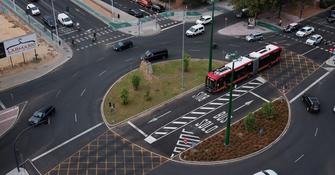
The text argues that the metropolitan area of Sevilla faces an urgent need to adopt a sustainable mobility model due to climate pressures, urban inequality, and an inefficient transport system. It critiques the current car‑dependent urban structure and highlights the limitations of costly long‑term metro projects. The author calls for rapid‑implementation alternatives such as trams, BRT systems, improved commuter rail, electrified public transport, pedestrianization, cycling infrastructure, and tactical urbanism. Key barriers include lack of a unified transport authority, financial constraints, cultural resistance to reducing car use, and political reluctance. The proposed vision prioritizes proximity, human‑scale urbanism, and reconfigured public space, positioning sustainable mobility as essential for a healthier and more equitable future for metropolitan Sevilla.
Estilo de reportagemInterpretativo
Strongly opinionated analysis advocating specific policy changes and criticizing current mobility models.
Contexto políticoCentro-esquerda
Advocates expanded public transport, reduced reliance on cars, and stronger government intervention for sustainability.