Journalisten engagieren

Verlage & Sender Content-Marketing-Teams PR- & Kommunikationsteams Risiko- & Intelligence-Teams Journalisten finden Medienbeobachtung Preise

Für Journalisten

Stellenangebote im Journalismus Honorare und Tarife Kostenloses Profil erstellen

Über Mariama

Ich bin Redakteurin und Promoterin von Vox Niger, einem nigerischen Online-Medium. Ich verfasse Informationsartikel, Analysen und journalistische Inhalte zu nationalen und afrikanischen Themen sowie zu sozialen, politischen und wirtschaftlichen Fragestellungen. Ich interessiere mich besonders für Datajournalismus, die Auswertung und Analyse von Statistiken sowie deren Visualisierung durch Grafiken und interaktive Darstellungen, um Informationen zugänglicher, klarer und verständlicher zu machen. Meine Arbeit basiert auf Recherche, Quellenprüfung und der Verbreitung verlässlicher Informationen.

Sprachen
Französisch
Gesehen in
Vox Niger

Arbeiten 4

Unequal Access to Education for Girls and Boys in Rural Areas of Niger

Vox Niger 22. Okt. 2026 French

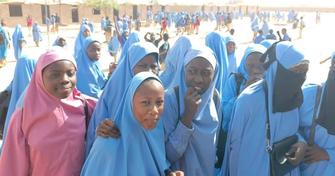
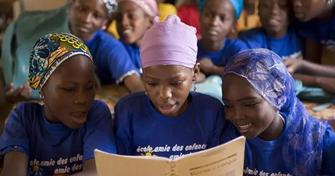
Girls in rural Niger continue to face lower school enrollment and completion than boys. Cited figures show that in 2022, 54% of girls completed primary school compared with 61% of boys; in 2023, primary enrollment was 66% for girls and 71% for boys, while only 17% of girls completed the full secondary cycle, compared with 23.7% of boys. Poverty, child marriage, domestic expectations, distant schools, inadequate separate latrines and a shortage of female teachers contribute to the gap. Government plans, school meals, scholarships, nearby schools and NGO campaigns are intended to improve access, with community and religious leaders and local media also helping shift attitudes. The article argues that sustained efforts are essential because educating girls benefits health, productivity and local development, while exclusion reinforces poverty and intergenerational disadvantage.
Girls' Education Gender Equality Rural Education Child Marriage Education Access Rural Development Niger Government of Niger UNICEF UNESCO Institute for Statistics Plan International Save the Children
BerichtsstilInterpretierend

Primarily explanatory reporting, but uses advocacy-oriented language and recommendations supporting girls' equal access to education.
Gender-Based Violence in Schools in Niger: A Disturbing Reality, with Responses Still Limited

Vox Niger 6. Mai 2026 French

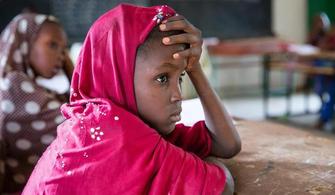
Gender-based violence is widespread in Nigerien schools, where reported abuses include harassment, physical and verbal violence, sexual coercion, and discrimination. Cited findings indicate that classmates and teachers commit many incidents, more than one-fifth of surveyed students in Niamey and Maradi experienced gender-based or sexual violence, and most victims did not disclose it. School closures in insecure areas such as Tillabéri heighten risks for girls, including early marriage and exploitation. The violence contributes to school dropout, psychological trauma, silence, and impunity. Awareness campaigns and school-based support mechanisms exist but remain limited, poorly coordinated, and difficult to assess. The article calls for stronger data collection, revised school rules, staff training, accessible confidential reporting, education on consent, and safer learning options in crisis zones.

Gender-Based Violence Education of Girls Sexual Harassment and Abuse Child Marriage School Safety Niger Tillabéri Niamey Niger Ministry of National Education UNFPA UNICEF Jeunes Leaders Plaidoyer
BerichtsstilInterpretierend

Primarily data- and source-based, but uses strongly evaluative language and advocates specific policy responses.

Human Rights – Access to Health Care for Women and Children in Niger: Progress and Obstacles

Vox Niger 20. März 2026 French

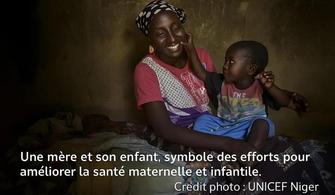
Niger has made progress in maternal and child health, including lower infant, under-five and maternal mortality and expanded vaccination coverage, with public programs and support from international organizations contributing to gains. Yet access remains sharply unequal: rural communities lack nearby facilities, trained staff, medicines and reliable funding, while financial dependence and sociocultural barriers further limit women's care. Only 39% of births were attended by skilled personnel in the cited data. The article calls for sustained public investment, better-equipped rural services, decentralization, community outreach and stronger participation by women and local organizations, arguing that access to care is essential to dignity and social justice.

Women's Health Child Health Maternal and Infant Mortality Healthcare Access Healthcare Inequality Healthcare Policy in Niger Niger West and Central Africa Sahel Government of Niger World Health Organization UNICEF
BerichtsstilInformativ

Primarily factual and data-based, with advocacy-oriented recommendations and conclusions about health as a right.

Gender gap: Why girls are more likely to drop out of school in Niger and the hidden obstacles

Vox Niger 7. Dez. 2025 French

Girls’ school retention in Niger is undermined by early marriage, household poverty and costs, domestic responsibilities, inadequate school facilities, and risks of harassment or violence. UNICEF figures cited in the article indicate that more than half of children aged 7–16 are out of school and roughly 17% of girls complete lower secondary education; about 76% of women aged 20–24 were married or in a union before age 18. Dropping out harms girls’ employment prospects, increases risks of early motherhood, and perpetuates poverty and inequality. The article notes government plans for the 2025–26 school year and an education partnership with Switzerland, and calls for targeted financial support, safer and better-equipped schools, community campaigns, effective violence-reporting mechanisms, and stronger coordination among government, donors, and communities.

Girls' Education School Dropout Early Marriage Gender Inequality Poverty Niger UNICEF Government of Niger Switzerland Code for Africa Digital Democracy Initiative European Partnership for Democracy
BerichtsstilInterpretierend

Advocates for measures to improve girls’ access to education and presents the issue in strongly concerned, persuasive terms.

Engagieren Nachricht
×

Registrieren Sie sich, um Mariama eine Nachricht zu senden

Haben Sie bereits ein Konto? Anmelden
Suchen Sie Arbeit? Als Journalist registrieren
Verifizieren Sie Ihre E-Mail, um die Registrierung abzuschließen
Wir haben gerade eine E-Mail gesendet an . Bitte prüfen Sie Ihren Posteingang und klicken Sie auf den Link, um Ihre E-Mail-Adresse zu verifizieren und Ihre Registrierung abzuschließen. Falls Sie die E-Mail nicht sehen, prüfen Sie unbedingt Ihren Spam- oder Junk-Ordner.
E-Mail nicht erhalten?

Registrieren Sie sich, um Profile freizuschalten

Haben Sie bereits ein Konto? Anmelden
Suchen Sie Arbeit? Als Journalist registrieren
Verifizieren Sie Ihre E-Mail, um die Registrierung abzuschließen
Wir haben gerade eine E-Mail gesendet an . Bitte prüfen Sie Ihren Posteingang und klicken Sie auf den Link, um Ihre E-Mail-Adresse zu verifizieren und Ihre Registrierung abzuschließen. Falls Sie die E-Mail nicht sehen, prüfen Sie unbedingt Ihren Spam- oder Junk-Ordner.
E-Mail nicht erhalten?