Unequal Access to Education for Girls and Boys in Rural Areas of Niger
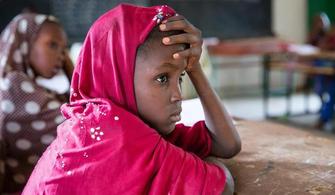
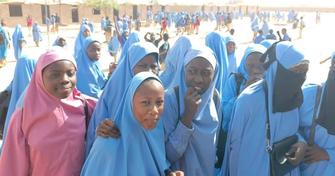
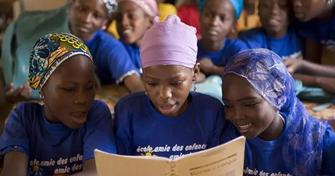
Girls in rural Niger continue to face lower school enrollment and completion than boys. Cited figures show that in 2022, 54% of girls completed primary school compared with 61% of boys; in 2023, primary enrollment was 66% for girls and 71% for boys, while only 17% of girls completed the full secondary cycle, compared with 23.7% of boys. Poverty, child marriage, domestic expectations, distant schools, inadequate separate latrines and a shortage of female teachers contribute to the gap. Government plans, school meals, scholarships, nearby schools and NGO campaigns are intended to improve access, with community and religious leaders and local media also helping shift attitudes. The article argues that sustained efforts are essential because educating girls benefits health, productivity and local development, while exclusion reinforces poverty and intergenerational disadvantage.
Estilo de reportagemInterpretativo
Primarily explanatory reporting, but uses advocacy-oriented language and recommendations supporting girls' equal access to education.