Ingaggia giornalisti

Editori ed emittenti Team di content marketing Team di PR e comunicazione Team di risk e intelligence Trova giornalisti Monitoraggio dei media Prezzi

Per i giornalisti

Offerte di lavoro nel giornalismo Tariffe Crea il tuo profilo gratuito

Su Marta

Sono un fotografo documentarista, giornalista visivo e filmmaker con base a Dakar, Senegal, dove vivo e lavoro dal 2015. I miei reportage esplorano l'incrocio tra giustizia sociale, genere, migrazione, patrimonio culturale e memoria collettiva in tutta l'Africa occidentale, combinando fotografia, scrittura e documentari per raccontare storie umane approfondite. Nel corso degli ultimi fifteen anni ho trattato temi quali la violenza sessuale in Senegal, la migrazione irregolare, la mutilazione genitale femminile in Gambia, l'istruzione inclusiva per bambini con disabilità in Guinea-Bissau, la resilienza climatica tra le comunità nomadi del Sahel, la prevenzione della malaria in Guinea e la salvaguardia del patrimonio fotografico in Senegal. Oltre alla copertura di notizie dell'ultima ora e al reportage di approfondimento, sviluppo progetti documentaristici a lungo termine che esaminano identità, memoria storica e cambiamento culturale. Il mio lavoro è stato pubblicato da BBC Africa, Der Spiegel, El País, Euronews, Science Magazine, Colors, Luzes, El Salto e elDiario.es, tra gli altri. Produco anche storie multimediali, documentari e progetti di comunicazione visiva per organizzazioni internazionali, tra cui FAO, IOM e UNODC. Fluente in spagnolo, inglese, francese e portoghese, lavoro in tutta l'Africa occidentale come fotografo, videomaker, produttore multimediale e fixer per organizzazioni mediatiche internazionali e produzioni documentaristiche. Portfolio fotografico: **** Portfolio video: ****

Lingue
galiziano spagnolo inglese francese portoghese
Visto su
El País Euronews BBC Africanews Spiegel Online The Centrist News Vimeo Elsaltodiario

Lavori 52

Riding Waves, Rewriting Futures: The Surfer Changing Girls’ Lives in Senegal

The Centrist News 23 mag 2026 English

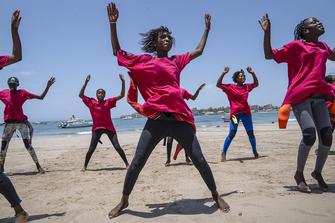
Professional surfer Khadjou Sambe, widely described as Senegal’s first professional female surfer, founded the Black Girls Surf Academy in Ngor, Dakar, to give girls access to surfing, mentorship and education. The programme challenges social expectations that discourage girls from participating in sport and helps address school dropout, particularly among girls facing poverty, household responsibilities and early-marriage pressures. With support from the wider Black Girls Surf initiative founded by Rhonda Harper, the academy serves girls aged seven to seventeen and promotes confidence, physical wellbeing and ambition through surfing and related activities. Although resistance remains, increasing participation and parental acceptance are gradually expanding girls’ visibility and opportunities in Senegal’s coastal communities.
Gender Equality Girls’ Education Youth Empowerment Surfing Women in Sports Senegal Dakar Ngor Black Girls Surf Academy UNICEF Khadjou Sambe Rhonda Harper
Stile giornalisticoInformativo

Predominantly factual and reported, with a human-interest narrative and limited persuasive framing.
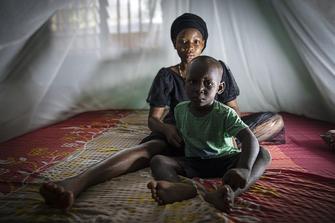
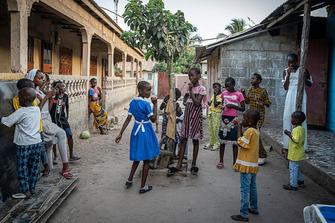
“I beg you, Donald Trump. People will die!”: USAID funding cuts threaten two decades of progress against malaria in Guinea

EL PAÍS 8 ago 2025 Spanish

US funding cuts under President Trump have disrupted malaria control programs in Guinea, leading to halted community health services, job losses for health workers, and reduced access to diagnostics, mosquito nets, and medications. Officials and experts warn that malaria cases and deaths will rise, especially among children and pregnant women, reversing major gains achieved over two decades through the Presidential Malaria Initiative and the Global Fund. While some assistance has been reinstated, the dismantling of USAID, termination of contracts, and uncertainty over future funding have left the country’s health system strained and vulnerable, prompting calls for Guinea to increase domestic investment to sustain malaria efforts.

Malaria Foreign aid cuts Public health Africa Guinea United States Sub-Saharan Africa US Department of State World Health Organization Global Fund to Fight AIDS, Tuberculosis and Malaria Guinea Ministry of Health Presidential Malaria Initiative
Stile giornalisticoEquilibrato

Blends factual reporting with interpretive concerns about consequences of US aid cuts.

Contesto politicoDestra

Critical of right-wing US administration’s foreign aid cuts and their consequences

A giant puppet show to warn about climate collapse

EL PAÍS 19 mag 2025 Spanish

A traveling theatrical project called The Herds uses giant animal puppets to raise awareness about climate‑driven migration and the climate crisis, performing across African cities and heading toward Europe and the Arctic. Led by director Amir Nizar Zuabi and involving large numbers of local artists, the initiative aims to inspire climate action, highlight Africa’s disproportionate vulnerability and create emotional connections through participatory art. The performances in Dakar drew strong public engagement while emphasizing that climate impacts increasingly affect all regions, pushing global powers to respond.

Climate Change Migration Arts & Culture Senegal Democratic Republic of the Congo Spain Amir Nizar Zuabi Marta Moreiras Sarah Loader Alibeta The Herds The Walk: Little Amal
Stile giornalisticoEquilibrato

Mix of factual reporting with subjective reflections from artists

Contesto politicoCentro-sinistra

Focus on climate justice, refugee issues and global inequality

Emanuel Ntaka, Afro-descendant Activist: “They Wanted to Erase Us from Argentina’s History, but They Didn’t Succeed”

EL PAÍS 17 dic 2024 Spanish

Emanuel Ntaka underscores the historical erasure of Afro‑descendants in Argentina and the persistence of structural racism while highlighting cultural, linguistic, and historical African influences long obscured in national narratives. He discusses how personal experiences of racism led him to activism and how initiatives such as the documentary Uniendo Nuestra Herencia and the AfroTransMedia platform aim to reclaim Afro‑Argentine heritage. Ntaka emphasizes recent progress in public recognition, including the national day honoring Afro‑Argentines and the homage to María Remedios del Valle, while stressing that comprehensive societal commitment is still needed to achieve symbolic reparations and genuine visibility.

Afro-descendant rights Racism Argentine history Culture Activism Argentina Senegal South America Congreso Nacional Africano Bienal de Dak’Art Instituto Cervantes Emanuel Ntaka
Stile giornalisticoEquilibrato

Interview format with subjective reflections but grounded in historical facts

Contesto politicoSinistra

Focus on anti-racism, social justice, historical reparations and minority rights

In Guinea, the United States helped beat back malaria. Now, the disease is set to soar

Science 1 ago 2024 English

The article discusses the impact of U.S. aid cuts on malaria control efforts in Guinea, highlighting the termination of the President’s Malaria Initiative and its consequences. The cuts have led to job losses, disrupted health services, and are expected to cause a rise in malaria cases and deaths. Despite some continued U.S. funding and efforts by organizations like GiveWell and the Against Malaria Foundation, the loss of support has left Guinea and other affected countries struggling to maintain malaria control. The article emphasizes the critical role of U.S. aid in global malaria efforts and the challenges faced by Guinea in sustaining progress.

Malaria Foreign Aid Public Health Guinea United States Sub-Saharan Africa President’s Malaria Initiative Global Fund to Fight HIV, Tuberculosis and Malaria U.S. Agency for International Development World Health Organization U.S. Department of State Mohamed Camara
Stile giornalisticoInterpretativo

The article contains subjective statements and persuasive language regarding the impact of U.S. aid cuts on malaria control.

Contesto politicoDestra

The article discusses the impact of policies from the Trump administration, which is associated with right-wing politics.

A battlefield called the clitoris: A trip to the country threatening to decriminalize female genital mutilation

El País 13 lug 2024 English

The article explores the ongoing battle in Gambia over the potential decriminalization of female genital mutilation (FGM), highlighting the efforts of activists, survivors, and organizations fighting to maintain the ban. It details the cultural, religious, and political dynamics at play, including the influence of misinformation and traditional practices. Key figures like Fatou Baldeh and Jaha Dukureh are praised for their activism, while the Gambia's Parliament faces criticism for considering the rollback of protections. The narrative underscores the broader implications for women's rights globally and the importance of continued advocacy and education to combat FGM.

Female Genital Mutilation Women's Rights Legislation Gambia West Africa Senegal Gambia's Parliament UNICEF World Health Organization National People’s Party Wassu Kafo Gambia Women in Liberation and Leadership (WILL)
Stile giornalisticoInterpretativo

The article contains a mix of factual reporting and subjective statements, particularly from activists and individuals involved in the issue.

Contesto politicoSinistra

The article advocates for women's rights and against FGM, aligning with progressive and feminist values.

Prospering in Senegal, or migrating: The two sides of the coin for young people in a country in turmoil

English 24 feb 2024 English

The article discusses the challenges faced by the youth in Senegal, where 75% of the population is under 35. Political and social instability, educational system deficiencies, and poor work conditions are driving many to migrate in search of better opportunities. The article highlights the story of Souleymane Wane, who had to switch from studying medicine to engineering due to riots and university closures. It also covers the story of Mariama Diallo, a nurse struggling with low wages and considering migration. The article touches on the protests led by young people and the harsh response from authorities, including deaths and arrests. It also discusses the difficulties in obtaining visas and the desire of some youths to stay and work in Senegal, like Mamadou Faye, a farmer, and Fatiakh Diangar, an environmental student. The article underscores the dichotomy between the aspiration to migrate for better prospects and the desire to stay and improve conditions at home.

Youth Migration Political Instability Educational Challenges Employment Conditions Social Change Senegal West Africa Canary Islands Central America United States Horizons Without Borders Cefer

Feminism, Education and Activism: The Transition Towards Agroecology in Senegal

El Salto 4 nov 2023 Spanish

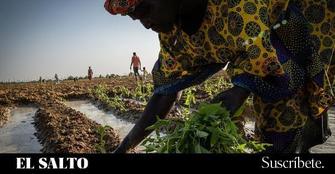
In the Senegal River Valley, particularly around Podor, women farmers are leading an agroecological transition away from chemical-intensive conventional agriculture. Community gardens like those in Donayé Tarédji and Diambo Soubalo — managed collectively by dozens of women — use solar-powered irrigation, organic fertilizers and crop diversification to achieve food security, reduce costs and build community solidarity. Senegal's agricultural sector contributes 15.2% of GDP, yet the country remains dependent on food imports for 21% of consumption, a vulnerability exposed by COVID-19 and the war in Ukraine, prompting government commitment to food sovereignty through the Plan Senegal Emergente 2. Environmental education is being integrated into local schools through programs run by NGOs ENDA Pronat and CERAI, championed by activists like Oumar Sow and his Eco-Schools Network. The broader transition is supported by DyTAES, a wide network of producers, NGOs and research institutions, which recently held its 4th Agroecology Days in Dakar, drawing over 1,500 participants from across Africa and beyond. Feminist leader and ENDA Tiers-Monde president Mariam Sow emphasizes that women farmers are the pioneers of this transition and must be supported in reclaiming land rights and shaping sustainable food systems for future generations.

Agroecology Feminism Environmental Education Food Sovereignty Sustainable Agriculture Climate Change Rural Development Senegal West Africa Podor ANCAR (Agencia Nacional del Consejo Agrícola y Rural) SAED
Stile giornalisticoEquilibrato

The article blends factual reporting with activist perspectives and testimonials from farmers, educators, and researchers. It presents clear positions in favor of agroecology and women's rights but is grounded in observable field reporting.

Contesto politicoCentro-sinistra

The article advocates for food sovereignty, women's rights, environmental justice, and community-led development, reflecting progressive and left-leaning values without explicit party-political alignment.

Fati Niang, the chef who decolonizes Senegalese street food

Euronews 25 ago 2023 French

Fati Niang is a chef who is redefining Senegalese street food by incorporating traditional ingredients like niébé, which had been marginalized during colonial times as 'food for the poor.' Niang's venture, Black Spoon, offers a modern take on African dishes, aiming to make them accessible to a wider audience. She has successfully established her brand in Paris and Senegal, with a recent partnership with Total Energies to bring African culture to their service stations. The article also discusses the role of street food in Senegal's culture and economy, highlighting the impact on women's employment and the efforts to revive indigenous crops.

Cuisine Culture Entrepreneurship Senegal France West Africa Ministry of Economy and Finance of Senegal United Nations Food and Agriculture Organization (FAO) European Centre for Journalism Bill & Melinda Gates Foundation Fati Niang Abdou Ka

The dictatorship of sporting a lighter complexion: 'I like to look in the mirror and see myself whiter'

Elpais 24 giu 2023 Spanish

Many women in Senegal continue to use skin whitening products despite their toxic substances, due to the imposition of a beauty standard that promotes lighter skin. The article discusses the cultural and health implications of this practice.

Beauty Standards Health Risks Cultural Practices Senegal Africa Bill & Melinda Gates Foundation Stephanie FINDLAY

Vedi tutti i 52 lavori con un account gratuito

Ingaggia Messaggio
×

Registrati per inviare un messaggio a Marta

Hai già un account? Accedi
Cerchi lavoro? Registrati come giornalista
Verifica la tua email per completare la registrazione
Abbiamo appena inviato un'email a . Controlla la tua casella di posta e clicca sul link per verificare il tuo indirizzo email e completare la registrazione. Se non vedi l'email, assicurati di controllare la cartella spam o posta indesiderata.
Non hai ricevuto l'email?

Registrati per sbloccare i profili

Hai già un account? Accedi
Cerchi lavoro? Registrati come giornalista
Verifica la tua email per completare la registrazione
Abbiamo appena inviato un'email a . Controlla la tua casella di posta e clicca sul link per verificare il tuo indirizzo email e completare la registrazione. Se non vedi l'email, assicurati di controllare la cartella spam o posta indesiderata.
Non hai ricevuto l'email?