What is the State of the Union address and what is the history of this tradition?
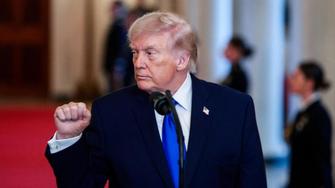
The upcoming address by President Donald Trump to a joint session of Congress follows the structure of a State of the Union message but is not formally categorized as one because it marks the start of a new presidential term. The article traces the historical evolution of the State of the Union tradition, from its constitutional origins to its modern televised format, noting shifts introduced by past presidents such as Jefferson, Wilson, and Reagan. The address arrives amid significant political tension following a Supreme Court ruling on Trump administration tariffs, a partial shutdown of the Department of Homeland Security, and renewed controversy surrounding documents related to Jeffrey Epstein. Trump is expected to deliver an unusually long speech outlining his administration’s priorities. The Democratic response will be delivered by Virginia Governor Abigail Spanberger, focusing on economic issues, healthcare, and civil liberties. The event takes place in a polarized political climate with potential boycotts by some legislators, highlighting how such speeches serve as both political instruments and symbolic stages in U.S. governance.
Stile giornalisticoFattuale
The article provides historical and factual context with minimal subjective language.
Contesto politicoCentro
Informational explanation of U.S. political procedures without partisan framing.