الناشرون وهيئات البث فرق تسويق المحتوى فرق العلاقات العامة والاتصال فرق المخاطر والاستخبارات الصحفيون والمهنيون الإعلاميون الرصد الإعلامي الأسعار

نبذة عن Mohammed

Mohammed Nashbat صحفي مقيم في غزة. “صحفي مهني لديه خبرة منذ 2004، أغطي الأحداث بموضوعية وأروي القصص التي تستحق أن تُروى. أؤكد على الجانب الإنساني في قصصي، بالإضافة إلى الكتابة الصحفية الأدبية.”

اللغات
العربية
ظهر في
Euronews Aljazeera شبكة العودة الإخبارية

الأعمال 74

War devastates Gaza’s olive harvest: losses reach 90% as a liter of oil exceeds $30

Euronews 27 أكتوبر 2026 Arabic

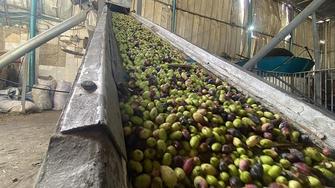
Gaza’s olive harvest has collapsed after three years of war, with estimates suggesting output could fall to about 3,500 tonnes from more than 38,000 tonnes before the war. Around 89% of olive-growing land has reportedly been damaged, while the number of functioning olive presses has dropped from 39 to eight. Farmers and press owners also face restricted access to land, shortages of water, fuel, equipment and spare parts, and sharply higher operating costs. A 16-liter tin of olive oil that sold for roughly 400 shekels before the war now costs up to 1,500 shekels, or more than $480. If projected production is realized, local oil would cover only about 8% of Gaza’s estimated annual need, while widespread reliance on food aid leaves many residents unable to afford the higher prices.
Gaza War Olive Harvest Agriculture in Gaza Food Prices Economic Crisis Gaza Strip West Bank Israel Food and Agriculture Organization of the United Nations (FAO) United Nations Office for the Coordination of Humanitarian Affairs (OCHA) Palestinian Agricultural Relief Society Wafa
أسلوب التغطيةوقائعي

Primarily fact-based reporting, citing figures, field interviews and humanitarian-agency estimates.

السياق السياسيوسط

Focuses on the agricultural and economic consequences of war, presenting data and testimony without advocating a political position.
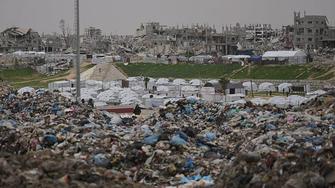
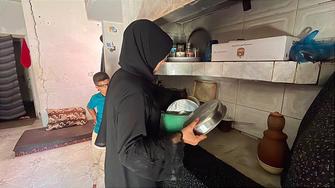
Three years after the October 7 war: Gaza’s tents turn from temporary shelter into a permanent reality amid an uncertain future

يورونيوز 7 أكتوبر 2026 Arabic

Three years after the October 7, 2023 attack and the ensuing war, displaced Palestinians in Gaza’s Nuseirat camp fear that life in tents will become permanent. Residents describe inadequate shelter, lost income, food insecurity, scarce medicines, disrupted schooling and uncertainty about returning home. Despite the October 2025 ceasefire, Israeli attacks continued and services remained severely impaired. UN agencies warn of winter flooding, cold-related illness and unsafe buildings; hundreds of thousands of children lack organized education, while hospitals operate only partially. Gaza’s unemployment reached 78% in 2025, and an estimated 92% of economic establishments were damaged or destroyed. Reconstruction needs are estimated at $71.5 billion, while a $2.45 billion initial recovery plan faces uncertainty amid disputes between Israel and Hamas. For families, these plans remain distant from the urgent needs of shelter, healthcare, education and a dependable livelihood.

Gaza humanitarian crisis Displacement and temporary shelters Israel–Hamas war Healthcare in Gaza Education in Gaza Unemployment and economic recovery Reconstruction Gaza Strip Israel Palestine United Nations UNICEF
أسلوب التغطيةإخباري

Primarily factual reporting grounded in interviews, statistics and attributed statements, while foregrounding displaced civilians’ hardships.

Between the pain of loss and the weight of responsibility: 25% of women in Gaza have become their families’ sole breadwinners

Euronews 28 سبتمبر 2026 Arabic

An estimated 86,290 households in Gaza—about a quarter of the total—are headed by women, roughly twice the pre-October 2023 share, and around two-thirds need urgent cash assistance. Interviews with women in Deir al-Balah and a 14-year-old girl in Nuseirat show how bereavement leaves them responsible for income, food, healthcare, housework and children’s education, often while caring for relatives with disabilities. UN data indicate that women-headed households face greater unmet shelter needs and more displacement than male-headed households. Aid agencies provide cash, protection and health-related support, but displacement, restrictions on access and shortages of funding limit assistance; the World Food Programme said it cut the value of July cash aid by 40% and warned of further reductions.

Women-headed households in Gaza Humanitarian crisis Displacement Poverty Caregiving Access to humanitarian aid Gaza Strip Deir al-Balah Nuseirat UN Women United Nations Population Fund United Nations Office for the Coordination of Humanitarian Affairs
أسلوب التغطيةوقائعي

Factual, reported account based on interviews, humanitarian agency reports and statistics.

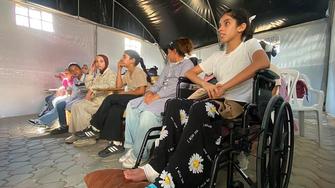
“We grew from elementary to high school”: Returning to school in Gaza under tents and atop rubble

Euronews 23 سبتمبر 2026 Arabic

Gaza’s 2026/2027 school year began amid extensive destruction, with students returning to tents and makeshift classrooms, including at a school rebuilt on the rubble of a destroyed building in Nuseirat. Ministry plans use shifts and limited in-person days to accommodate hundreds of thousands of students, while many others rely on remote learning. Students and teachers describe overcrowding, heat, poor lighting, inadequate furniture, shortages of books, and concerns about winter weather. UNICEF says more than 93% of school buildings require major rehabilitation or rebuilding and that learning losses in basic literacy and numeracy remain significant and incompletely measured. Teachers and school leaders are trying to restore instruction, but years of disrupted education, limited facilities, and unequal access to learning resources remain major obstacles.

Education in Gaza War in Gaza Displacement Learning loss Gaza Strip Nuseirat refugee camp Israel Palestinian Ministry of Education UNICEF UNRWA Hamas Marah al-Najjar
أسلوب التغطيةوقائعي

Primarily factual reporting, with statistics and attributed testimony describing conditions and challenges.

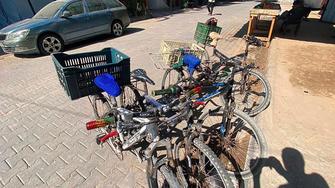
Gaza’s Delivery Workers Turn to Bicycles: Longer Journeys and Income Consumed by Maintenance

Euronews Arabic 16 سبتمبر 2026 Arabic

Fuel shortages, damaged roads and disrupted transport have pushed delivery workers in Gaza to rely increasingly on bicycles. Journeys that once took about ten minutes by motorcycle can now take half an hour or more, while heat, rain, rubble and poor road conditions increase physical strain and damage equipment. Workers may earn only 50–60 shekels a day, but a puncture can cost 30–40 shekels and larger repairs can exceed a full day’s income. Barq Delivery Company employs more than 50 people and continues recruiting amid scarce job opportunities, while an attempt to introduce electric bicycles was limited by charging costs. Delivery workers also face serious security risks: local reports said a Hamama worker and another man were killed in a strike on an electric bicycle, and the company’s manager reported dozens of worker deaths since the war began. Operators are calling for bicycle parts and repair supplies to be allowed into Gaza so the service and workers’ livelihoods can continue.

Gaza War Delivery Workers Fuel Shortages Damaged Infrastructure Employment and Livelihoods Humanitarian Conditions Gaza Strip Gaza City Khan Younis World Bank European Union United Nations
أسلوب التغطيةإخباري

Predominantly factual field reporting based on interviews, data and documented incidents, with limited interpretive language.

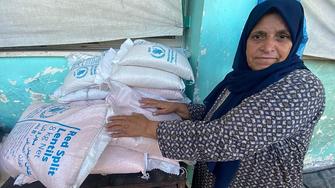
Gaza’s Food Dilemma: Abundance on Paper While Families Complain About Aid Contents

Euronews Arabic 11 سبتمبر 2026 Arabic

Displaced families in Gaza’s Nuseirat camp say food-aid parcels are repetitive, poorly suited to their needs and, in some cases, may contain spoiled or insect-infested items. COGAT argues that food entering Gaza exceeds calculated needs and cites videos, price declines and UNICEF data to dispute claims of widespread shortage. The World Food Programme responds that availability alone is insufficient: food must be diverse, nutritious and accessible to those who need it, while fresh foods generally require purchasing power. Nutrition data show persistent dietary problems, including low minimum dietary diversity among young children and continued risk of food insecurity. Many recipients prefer unrestricted cash assistance, but the WFP says funding shortages prevent it from expanding support to more families.

Food Aid in Gaza Food Security Humanitarian Crisis Malnutrition Displacement Gaza Strip Nuseirat Palestinian Territories World Food Programme COGAT UNICEF Integrated Food Security Phase Classification
أسلوب التغطيةإخباري

Predominantly fact-based reporting that contrasts official data with displaced families’ testimonies and clearly notes what could not be independently verified.

السياق السياسيوسط

The article presents competing Israeli and humanitarian assessments of food availability, while emphasizing evidence, verification limits and the practical experiences of displaced families rather than advancing an ideological position.

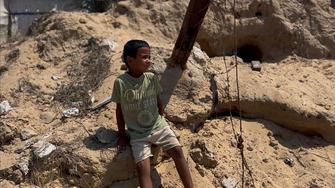
Snakes and Scorpions Among Gaza’s Tents: A Danger Creeping Into Displaced People’s Sleeping Areas

Euronews Arabic 4 سبتمبر 2026 Arabic

Displaced Palestinians living in tents across Gaza, particularly around Deir al-Balah, report increasingly frequent encounters with snakes, scorpions, rodents, and insects. Humanitarian assessments found rodents or external parasites in more than four-fifths of evaluated displacement sites, amid sewage, stagnant water, accumulated waste, overcrowding, and inadequate shelter services. The World Health Organization warns that temporary shelters and limited access to healthcare increase the risk of severe snake envenoming, while local medical workers say some injuries cannot be accurately diagnosed with available resources. Humanitarian agencies have expanded spraying, rodent control, waste management, and awareness campaigns, but continued access to supplies, antivenom, medical care, sanitation infrastructure, and debris removal remains necessary.

Humanitarian Crisis in Gaza Displacement Snakebites and Scorpion Stings Public Health Environmental Health Pest Infestations Gaza Strip Deir al-Balah Gaza City World Health Organization United Nations Office for the Coordination of Humanitarian Affairs United Nations Development Programme
أسلوب التغطيةوقائعي

Predominantly factual reporting based on humanitarian assessments, health guidance, statistics, and firsthand testimony, with limited descriptive framing.

The Search for a Drop of Water in Gaza: How the Lifeline Became a Battle for Survival

Euronews Arabic 3 سبتمبر 2026 Arabic

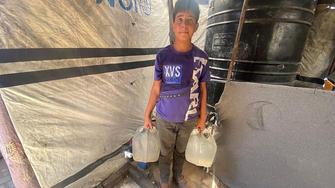
Gaza's water crisis has intensified as war damage, summer conditions, shortages of fuel and spare parts, and inadequate household storage leave most residents with irregular access to safe drinking water. Around three-quarters of residents rely on water tankers, while surveys found that many households receive less than the minimum six liters per person per day. Nearly 90% of water and sanitation facilities have reportedly been damaged or destroyed, forcing reliance on small desalination plants and tanker distribution. UNICEF, Doctors Without Borders and other partners provide substantial supplies, but production is declining and water transport remains dangerous. Israel denies deliberately targeting civilian water infrastructure and rejects accusations that restrictions amount to collective punishment; an Israeli strike near a desalination plant further highlighted the fragility of the remaining system. For displaced families, the crisis is compounded by a lack of barrels and containers to store water between deliveries.

Water Crisis in Gaza Humanitarian Crisis Israel-Gaza War Water and Sanitation Infrastructure Displacement Gaza Strip Gaza City Deir al-Balah United Nations Children's Fund (UNICEF) United Nations United Nations Office for the Coordination of Humanitarian Affairs (OCHA) Israel
أسلوب التغطيةمتوازن

Fact-based reporting with humanitarian framing and attributed allegations regarding the use of water and attacks on infrastructure.

السياق السياسييسار الوسط

Humanitarian reporting emphasizes civilian suffering and Israeli responsibility claims while presenting Israeli denials.

Cancer Patients in Gaza: Treatment Opportunities Decline and Waiting Lists Stretch for Years

Euronews Arabic 29 أغسطس 2026 Arabic

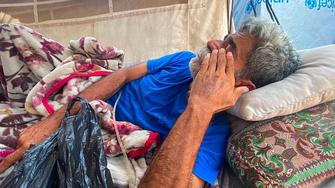
Around 11,000 cancer patients in Gaza are reportedly deprived of much of their specialist treatment and diagnosis, including about 4,000 awaiting medical evacuation abroad. The destruction or closure of key hospitals, shortages of cancer medicines and diagnostic equipment, and disruptions to chemotherapy protocols have sharply reduced available care. The World Health Organization says an approved referral does not guarantee evacuation, which also depends on a receiving country, security approvals, and access to crossings. Patient testimonies illustrate worsening symptoms, severe pain, medication shortages, and long waits, while Gaza health officials and doctors estimate that several cancer patients die each day because of inadequate treatment. The article concludes that the need for care is growing faster than the capacity to evacuate and treat patients outside the Strip.

Cancer Care Medical Evacuations Humanitarian Crisis in Gaza Healthcare System Collapse Access to Medicines Gaza Strip Israel West Bank Gaza Ministry of Health World Health Organization Israeli Army محمد الترك
أسلوب التغطيةوقائعي

Predominantly factual reporting based on medical data, official statements, and patient testimonies, with limited interpretive language.

A Screen from Here and an Earpiece from There: How War Turned Mobile Phones in Gaza into a Scarce Currency

Euronews Arabic 18 أغسطس 2026 Arabic

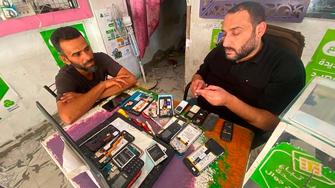
War, displacement, inflation and restrictions on imports have transformed mobile phones in Gaza from replaceable consumer devices into essential infrastructure for communication, education, digital payments, shopping and even lighting. Residents and repairers increasingly salvage screens, batteries and other components from multiple damaged phones because new devices and spare parts are scarce and unaffordable. Prices have risen dramatically, including for basic phones, batteries and chargers, while an iPhone 17 Pro Max has sold for thousands of shekels amid limited supply and alleged informal smuggling routes. The crisis builds on pre-war restrictions on telecommunications equipment and has been intensified by damage to networks, fuel shortages and difficulties bringing in repair materials. As reliance on digital wallets and electronic aid payments grows, losing access to a functioning phone can also mean losing access to money and essential services.

Mobile Phones in Gaza War in Gaza Digital Payments Shortages and Inflation Telecommunications Infrastructure Black Market Trade Gaza Strip Nuseirat Israel United Nations Office for the Coordination of Humanitarian Affairs Israeli authorities Abdullah al-Madhoun
أسلوب التغطيةإخباري

Predominantly factual reporting based on interviews, market prices and humanitarian data, with limited interpretive framing.

السياق السياسيوسط

The piece is mainly a fact-based account of war-related shortages and infrastructure constraints, without advocating a distinct political position.

سجّل مجاناً لرؤية الأعمال الـ74 كلها

وظّف رسالة
×

سجّل لمراسلة Mohammed

هل لديك حساب بالفعل؟ تسجيل الدخول
هل تبحث عن عمل؟ سجّل كصحفي
وثّق بريدك الإلكتروني لإتمام التسجيل
لقد أرسلنا للتوّ رسالة إلكترونية إلى . يرجى التحقّق من صندوق الوارد والنقر على الرابط لتوثيق عنوان بريدك الإلكتروني وإتمام تسجيلك. وإذا لم تجد الرسالة، فتأكّد من التحقّق من مجلد البريد العشوائي أو غير المرغوب فيه.
لم تستلم البريد الإلكتروني؟

سجّل للاطّلاع على الملفات الشخصية

هل لديك حساب بالفعل؟ تسجيل الدخول
هل تبحث عن عمل؟ سجّل كصحفي
وثّق بريدك الإلكتروني لإتمام التسجيل
لقد أرسلنا للتوّ رسالة إلكترونية إلى . يرجى التحقّق من صندوق الوارد والنقر على الرابط لتوثيق عنوان بريدك الإلكتروني وإتمام تسجيلك. وإذا لم تجد الرسالة، فتأكّد من التحقّق من مجلد البريد العشوائي أو غير المرغوب فيه.
لم تستلم البريد الإلكتروني؟