Contratar jornalistas

Editoras e emissoras Equipes de marketing de conteúdo Equipes de RP e comunicação Equipes de risco e inteligência Encontrar jornalistas Monitoramento de mídia Preços

Para jornalistas

Vagas de jornalismo Tarifas Crie seu perfil gratuito

Sobre Munene

Munene Kilongi é jornalista com base em Nairobi, Quénia. Tenho sido repórter nos últimos 15 anos. Comecei como estagiário na Associated Press, East Africa bureau em Nairobi antes de me juntar à McClatchy Newspapers como repórter e pesquisador. Tive uma passagem curta pela Reuters e também trabalhei como freelancer para o Mail and Guardian, jornal da África do Sul. Atualmente trabalho como freelancer, como feature writer, repórter e videógrafo.

Idiomas
inglês
Visto em
The Mail & Guardian Voicesofafrica

Trabalhos 15

Quail farming: The new ‘side hustle’ in Kenya

Voices of Africa 17 nov. 2014 English

Quail farming has emerged as a popular side hustle in Kenya, driven by the bird's low maintenance and high economic potential. The business has attracted many entrepreneurs, with the Kenya Wildlife Service regulating the industry through permits and inspections. Quail eggs and meat are touted for their numerous health benefits, including boosting immunity and alleviating various ailments. Despite the initial high profitability, market saturation has led to a decrease in prices, making quail products more accessible to the general population. The article suggests that the government should consider funding quail eggs for public school children due to their health benefits.

Quail Farming Health Benefits Entrepreneurship Kenya China Kenya Wildlife Service Munene Kilongi Quail Eggs Quail Meat
Estilo de reportagemInterpretativo

The text contains a mix of factual information and subjective statements, particularly about the health benefits and economic potential of quail farming.
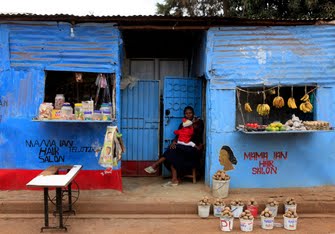
We Kenyans are always in a rush

Voicesofafrica 23 set. 2013 English

The article discusses the economic challenges faced by Kenyans, particularly the poor, and their innovative responses to these challenges. It describes the 'kadogo' economy, where goods are sold in small, affordable quantities, and the creation of Mpesa, a mobile money transfer system. The article also covers the introduction of an alternative currency, Bangla-Pesa, in the Bangladesh slum of Mombasa to improve local trade efficiency and support the community. Despite initial legal challenges, charges against the Bangla-Pesa founders were dropped. The article highlights the resilience and entrepreneurial spirit of Kenyans in the face of economic adversity.

Economy Informal Currency Poverty Innovation Kenya Central Bank of Kenya Western Union MoneyGram Mpesa

The Wild Ride of the Matatu

Mail & Guardian 29 out. 2011 English

Kenya’s matatus—colorful, heavily customized minibuses—are a ubiquitous but chaotic part of daily transport, valued for helping passengers avoid queues and reach appointments quickly. Their crews face intense competition and financial pressure, while criminal gangs extort protection fees and city guards are accused of demanding bribes. Earlier safety rules weakened over time, and the government plans to replace popular 14- and 29-seat minibuses with buses to ease congestion and improve road safety. Owners are beginning to form companies to buy buses, while drivers face uncertain employment prospects. The writer expects to miss the matatus despite their dangers and disorder.

Public Transportation Urban Traffic Road Safety Informal Economy Kenya Nairobi Kenyan government Nairobi City Council Munene Kilongi Usain Bolt Rihanna Mariga
Estilo de reportagemEquilibrado

Vivid first-person observations and colorful judgments are combined with descriptive reporting.

The Matatu: Kenya's Flamboyant Minibus Culture

Mg 29 out. 2011 English

The article provides an in-depth look at the matatu public transportation system in Kenya, describing the experience of riding in these minibus taxis known for their flamboyant graffiti and aggressive driving styles. Matatus are depicted as a cultural phenomenon, with their own names and unique decorations, including high-end music systems and TVs. The article discusses the challenges faced by matatu drivers, including extortion by criminal gangs and city council guards, and the government's plans to replace matatus with buses to improve traffic congestion and road safety. As the industry faces changes, the future of matatu drivers is uncertain, and the media is observing how the situation will unfold. The author, Munene Kilongi, expresses a personal sentiment towards the matatu, acknowledging their efficiency in avoiding traffic jams.

Public Transportation Matatu Culture in Kenya Traffic and Road Safety Kenya

Sistas Wear the Pants in Kenya

Mail & Guardian 4 jun. 2011 English

Women in Kenya are increasingly gaining financial independence, education and leadership roles, supported by microfinance initiatives and expanding opportunities in business and professional life. The author argues that this progress has left many young men feeling neglected and uncertain about their place, with unemployment and limited prospects contributing to social problems. He criticizes tensions and shifting expectations in dating and marriage, while acknowledging men’s shortcomings, and calls for women, men and society to address gender relations and the neglect of boys.

Gender Roles Women's Economic Empowerment Youth Unemployment Education Gender Relations in Kenya Kenya Nairobi Maendeleo ya Wanawake Munene Kilongi Oprah Winfrey Tyra Banks MBA programs
Estilo de reportagemInterpretativo

Opinionated commentary using personal perspectives and rhetorical language to discuss changing gender roles and the effects on men and women.

Chama the best choice for tjommies

Mail & Guardian 22 mar. 2011 English

Chamas are Kenyan groups that pool members’ contributions for rotating payouts, savings, loans or investments, while also offering practical and social support. The author describes how trust and vetting are central to membership, and how some groups have evolved from informal savings circles into substantial investment ventures. After considering the rules, fees and long-term commitment of a new group, he weighs joining it against investing through a mutual fund, concluding that a chama offers friendship as well as financial benefits.

Chamas Informal savings and investment Community finance Kenya Nairobi Munene Kilongi Trans-Century
Estilo de reportagemInformativo

Mostly factual explanation and reporting, framed by the author's personal experience and reflections.

Ringing in the 21st century

Mail & Guardian 24 nov. 2010 English

Mobile broadband and internet-ready phones have rapidly expanded internet access in Kenya, including among people with little computer experience. The author describes how smartphones enabled everyday browsing and social networking, while a viral phone-call hoax demonstrated the risks of misinformation spreading online. Mobile money service M-Pesa has become a widely used way to transfer and spend money, and M-Kesho extends phone-based access to bank balances, withdrawals, loans and insurance. The convenience of mobile banking can also encourage impulse spending and leave users in debt.

Mobile Internet in Kenya Mobile Banking Mobile Money Digital Inclusion Mobile Phone Rumors Kenya Nairobi Munene Kilongi Nokia Nokia 5800 Smartphone M-Pesa M-Kesho
Estilo de reportagemEquilibrado

Personal, humorous commentary mixed with factual observations about mobile technology and finance.

Makmende Returns

Mail & Guardian 27 set. 2010 English

Makmende, a Kenyan superhero character associated with Seventies style and exaggerated feats, returned to public attention through a fictional short film made by Nairobi music group Just a Band for its song “Ha He!”. The video spread online, drawing international coverage and inspiring a fan website and T-shirts. The piece traces the character’s name to a possible mishearing of Clint Eastwood’s “Make my day” and describes the band’s humorous fictional backstories.

Kenyan Internet Culture Music Video Superheroes Popular Culture Kenya Nairobi Just a Band Makmende Dan Muli Bill Sellanga Jim Chuchu Barack Obama
Estilo de reportagemEquilibrado

Mostly descriptive, but told in a playful, humorous style with subjective reactions.

When Andrew Met Audrey

Mail & Guardian 11 jan. 2010 English

A Kenyan journalist recounts meeting Andrew, a transgender woman seeking work and hoping to undergo gender-affirming surgery, and later seeing her appear as Audrey on television after finding a sponsor for the operation. The essay describes stigma, violence, and police mistreatment faced by sexual minorities in Kenya, alongside greater visibility and relative tolerance in some urban and coastal settings. It argues that transgender people are who they are by nature, not by choice, and calls attention to the dangers of discrimination.

Transgender Rights LGBTQ+ Rights Social Stigma and Discrimination Homophobia in Kenya Kenya Uganda Rwanda Kenyan police Andrew (Audrey) Munene Kilongi
Estilo de reportagemInterpretativo

Personal, empathetic commentary advocates acceptance of transgender people and criticizes discrimination.

Birthday Cake on the Hoof

Mail & Guardian 24 set. 2009 English

A narrator joins friends in Nairobi’s Kiamaiko slum to buy a goat for a child’s first-birthday celebration. Guided by Abdi, they navigate the busy goat market, learn how buyers assess animals and how local workers handle slaughtering, cleaning, packing and transport. The account describes how these informal services support local livelihoods and how the market’s rules discourage bypassing workers. The goat becomes the birthday meal, which guests enjoy alongside mutura.

Goat meat market Kiamaiko slum economy Nairobi food culture Kiamaiko, Nairobi Kenya Munene Kilongi Abdi Trina McClatchy Newspapers Goat meat Mutura
Estilo de reportagemInformativo

Primarily a first-person reported account, with personal impressions and humorous descriptions.

Veja todos os 15 trabalhos com uma conta gratuita

Contratar Mensagem
×

Cadastre-se para enviar uma mensagem para Munene

Já tem uma conta? Entrar
Procurando trabalho? Cadastre-se como jornalista
Verifique seu e-mail para concluir o cadastro
Acabamos de enviar um e-mail para . Verifique sua caixa de entrada e clique no link para verificar seu endereço de e-mail e concluir seu cadastro. Se não vir o e-mail, não deixe de checar sua pasta de spam ou lixo eletrônico.
Não recebeu o e-mail?

Cadastre-se para desbloquear perfis

Já tem uma conta? Entrar
Procurando trabalho? Cadastre-se como jornalista
Verifique seu e-mail para concluir o cadastro
Acabamos de enviar um e-mail para . Verifique sua caixa de entrada e clique no link para verificar seu endereço de e-mail e concluir seu cadastro. Se não vir o e-mail, não deixe de checar sua pasta de spam ou lixo eletrônico.
Não recebeu o e-mail?