الناشرون وهيئات البث فرق تسويق المحتوى فرق العلاقات العامة والاتصال فرق المخاطر والاستخبارات الصحفيون والمهنيون الإعلاميون الرصد الإعلامي الأسعار

نبذة عن Naeimeh

أنا صحفي ومحلل أركز عملي على إيران وحقوق الإنسان والتطورات السياسية في الشرق الأوسط. يجمع عملي بين التقارير الميدانية، وترجمة لمنافذ إعلامية دولية كبرى، وتحليلات أصلية مصممة للنشر. أغطي موضوعات مثل قمع الدولة، وحركات الاحتجاج، والنزاعات الإقليمية، وتقاطعات السياسة والمجتمع. ما يميّز عملي هو الدقة والوضوح والعمق. أختص في إنتاج ترجمات ومواد تحليلية جاهزة للنشر تحافظ على الفروق الدقيقة مع بقائها في متناول جمهور واسع. كما أعمل أيضاً مع مواد من المصدر المباشر — مثل ملاحظات صوتية وشهادات شهود عيان — لتوثيق التجارب المعيشية داخل إيران، لا سيما في أوقات الأزمات.

الخدمات
اللغات
الإنجليزية الفارسية
ظهر في
Iran International

الأعمال 3

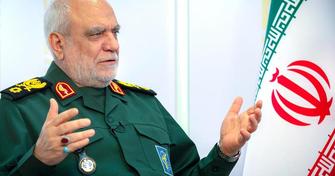
Who was Majid Khademi, and why does his killing matter?

Iran International 6 أبريل 2026 English

Majid Khademi, a senior IRGC intelligence figure responsible for counterintelligence and internal repression, was killed in Tehran despite overseeing efforts to prevent infiltration of Iran’s security apparatus. His death is significant because he occupied key roles within the IRGC’s internal protection and intelligence branches and had publicly advocated intensified surveillance and systemic control. The article also details escalating regional tensions, ongoing US‑Iran ceasefire negotiations, and Iranian rejection of temporary truces without long‑term guarantees. It outlines potential consequences of US threats to strike Iran’s energy infrastructure, the risk of broader regional retaliation, and the humanitarian and strategic implications of infrastructure warfare. Additional sections discuss Iran’s use of dual‑use civilian sites, militarization of academic institutions, and the embedding of military assets in civilian areas. Finally, it examines a UAE crackdown on IRGC‑linked financial networks in Dubai and the potential impact on Iran’s offshore economic channels, highlighting the deeper shell‑company structures that sustain Tehran’s sanctions‑evasion system.
Iran politics IRGC Middle East conflict Ceasefire negotiations Sanctions and illicit finance Iran Middle East United States US Government Pakistani Army Hezbollah Houthis
أسلوب التغطيةتفسيري

Contains strong analytical and interpretive framing with clear subjective judgments alongside factual reporting

السياق السياسييمين

The article aligns at points with hawkish, interventionist arguments supportive of US and Israeli military pressure on Iran

What the Balkans can tell Iranians about life after war

Iran International 18 مارس 2026 English

Recent Balkan history is used to illustrate how wars generate divergent lived experiences, drawing parallels to Iran as discussions emerge about a possible end to the current conflict. Testimonies from Kosovo and Serbia highlight how military intervention can hold contrasting meanings, from hope to trauma. In Iran, traditional Nowruz preparations have diminished amid war fears, economic strain, and growing public disillusionment. Security forces issue harsh warnings ahead of Charshanbeh Suri while exiled opposition figures call for public participation. Israeli strikes reportedly kill senior Iranian security officials, escalating tensions as Iran faces infrastructure damage and retaliatory attacks. US and Israeli militaries claim extensive strikes on Iranian targets, while intelligence assessments suggest Iran’s political system remains stable. Internet connectivity in Iran has collapsed, leaving most citizens offline and prompting fears over Starlink device detection as authorities tighten control over communications.

War in Iran Kosovo War Middle East conflict Civil unrest in Iran Internet restrictions Iran Balkans Kosovo NATO Islamic Revolutionary Guard Corps Basij Israeli military
أسلوب التغطيةمتوازن

Mixture of factual reporting with interpretive analysis and personal accounts

السياق السياسيوسط

Covers political conflict without endorsing a partisan stance

Khamenei is dead: The dictator a nation longed to see gone

Iran International 28 فبراير 2026 English

Ali Khamenei’s death in airstrikes ends more than three decades of centralized authoritarian rule in Iran, pushing the country into a volatile political and security crisis. His tenure is described as defined by concentrated power, repression of successive protest movements, expansion of the IRGC’s influence and deepening confrontation with the West through regional proxy networks and the nuclear program. The report details the January 2026 massacre, which further destroyed the regime’s legitimacy and fueled public anger. Regional tensions intensify as the US increases its military posture and European officials call for stronger action against Tehran. Internal power struggles, succession uncertainty and mounting social unrest compound instability. Rising dissent among athletes, students and civil society underscores a broadening crisis while global scrutiny grows ahead of Iran’s World Cup participation. The nation now faces a critical crossroads over its political future and regime survival.

Iran politics Death of Ali Khamenei Protests and repression Iran–US tensions Middle East conflict Iran United States Middle East Islamic Republic of Iran Islamic Revolutionary Guard Corps (IRGC) United States government European Union
أسلوب التغطيةمتوازن

Highly critical and analytical tone with subjective framing but grounded in reported events

السياق السياسييسار الوسط

Critical of authoritarianism and supportive of human rights-focused foreign policy

وظّف رسالة
×

سجّل لمراسلة Naeimeh

هل لديك حساب بالفعل؟ تسجيل الدخول
هل تبحث عن عمل؟ سجّل كصحفي
وثّق بريدك الإلكتروني لإتمام التسجيل
لقد أرسلنا للتوّ رسالة إلكترونية إلى . يرجى التحقّق من صندوق الوارد والنقر على الرابط لتوثيق عنوان بريدك الإلكتروني وإتمام تسجيلك. وإذا لم تجد الرسالة، فتأكّد من التحقّق من مجلد البريد العشوائي أو غير المرغوب فيه.
لم تستلم البريد الإلكتروني؟

سجّل للاطّلاع على الملفات الشخصية

هل لديك حساب بالفعل؟ تسجيل الدخول
هل تبحث عن عمل؟ سجّل كصحفي
وثّق بريدك الإلكتروني لإتمام التسجيل
لقد أرسلنا للتوّ رسالة إلكترونية إلى . يرجى التحقّق من صندوق الوارد والنقر على الرابط لتوثيق عنوان بريدك الإلكتروني وإتمام تسجيلك. وإذا لم تجد الرسالة، فتأكّد من التحقّق من مجلد البريد العشوائي أو غير المرغوب فيه.
لم تستلم البريد الإلكتروني؟